How to Choose an Exercise Bike: The Complete Buyer's Guide
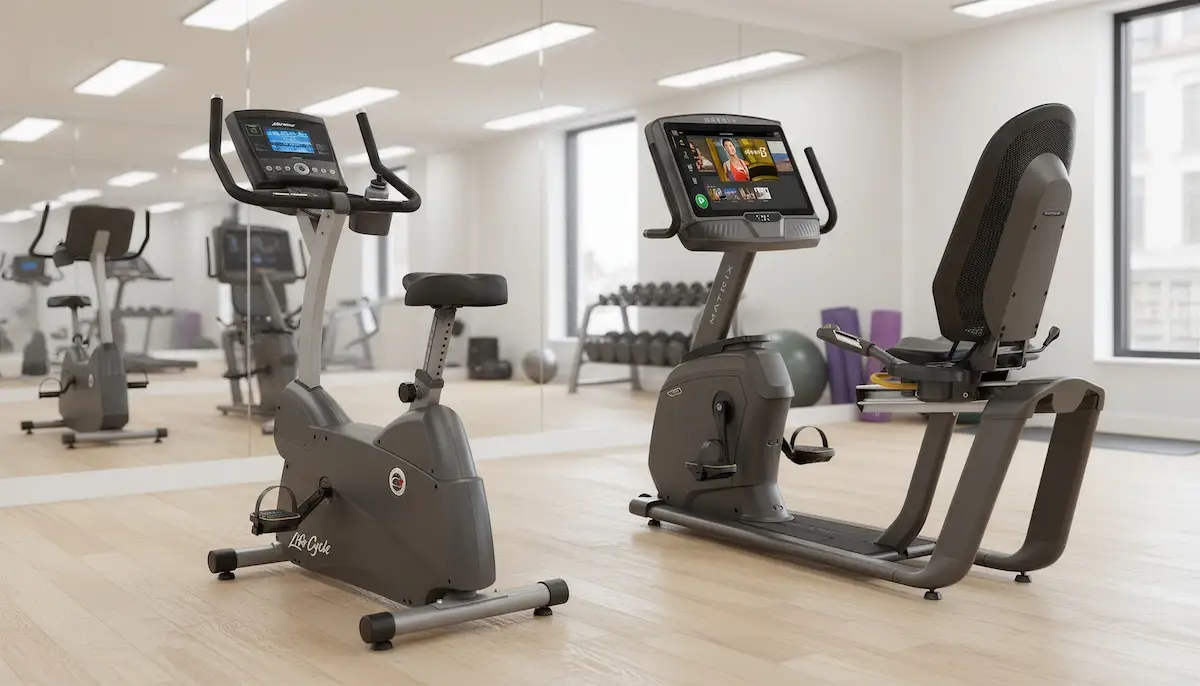
The exercise bike is one of the most popular fitness machines for working out at home or in a gym. Accessible and suitable for all fitness levels, it allows you to work on your cardio without weather constraints or commute time. But with different types of models—upright, recumbent, spin, or air bike—and dozens of brands and models available, choosing the right stationary bike can quickly become overwhelming.
This guide covers the essential criteria to consider when finding the exercise bicycle that matches your goals, budget, and available space. It was designed to help you make an informed decision, not to promote any particular model or brand. There is no perfect bike: the best choice always depends on your personal situation.
Why Choose an Exercise Bike?
An effective cardiovascular workout
The stationary bike provides a complete cardiovascular workout that strengthens the heart and improves blood circulation. It delivers an excellent cardio workout that engages the legs and core muscles while being gentle on the joints. Regular practice helps reduce the risk of cardiovascular disease, type 2 diabetes, and stroke.
According to Harvard Health Publishing, a 30-minute session at moderate intensity burns on average between 210 and 300 calories depending on your weight and actual effort intensity, while improving your fundamental endurance and lung capacity. The exercise bicycle is an effective tool that easily fits into the official recommendations of 150 minutes of moderate aerobic activity per week.
A low-impact exercise
Unlike other equipment like treadmills that replicate running where each stride generates an impact equivalent to 2-3 times body weight on the joints, the stationary cycling bike virtually eliminates all mechanical stress on the knees, ankles, and hips. This characteristic makes it a preferred choice for people who are overweight, those suffering from arthritis, or those in rehabilitation.
The seated position distributes body weight on the seat rather than on the lower limbs, allowing extended sessions without pain. Studies show that stationary cycling improves joint function and reduces pain in people with knee osteoarthritis.
Versatility of goals
The exercise bike adapts to a wide variety of goals. Whether you're looking to lose weight through regular cardio sessions, maintain your general fitness, rehabilitate after an injury, or complement your sports training, there's a type of bike and program suited to your needs.
The 4 Types of Exercise Bikes
The market offers four main categories of stationary bikes: upright bikes, recumbent bikes, spin bikes, and air bikes. Each type of model serves a slightly different purpose, so it's essential to choose the right type based on your profile and future needs.
The upright bike
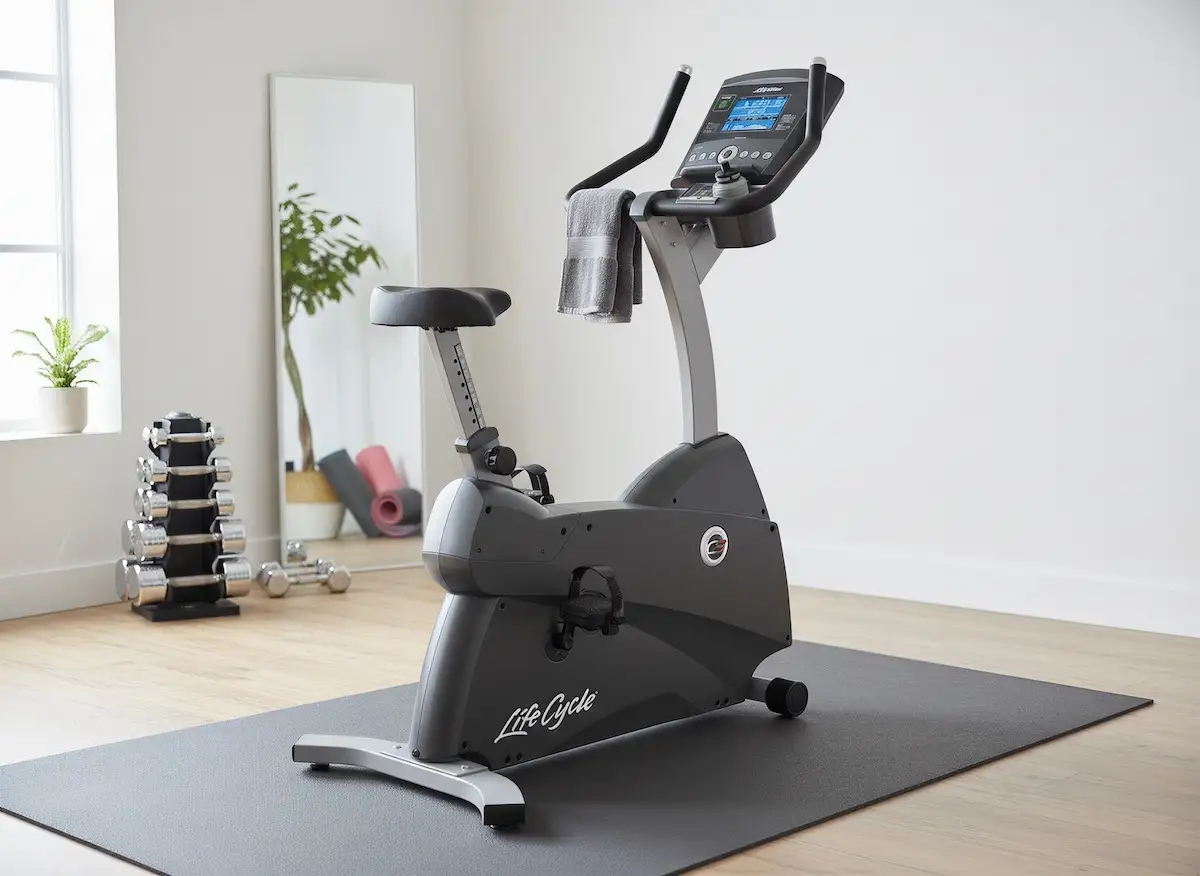
The upright bike is essentially the classic exercise bicycle—it replicates the position of a city bike: the rider sits upright with pedals positioned below the body. It's the most common and versatile model.
This configuration naturally engages the core stabilizer muscles to maintain balance, making it a slightly more complete exercise than the recumbent bike. The upright bike suits users without particular back problems, for workouts ranging from moderate to intense.
Its main advantages: compact footprint, generally accessible price, and wide variety of models. However, the narrow seat can become uncomfortable during extended sessions, especially for beginners.
Our upright bike recommendations
| Model | Brand | Category | Price |
|---|---|---|---|
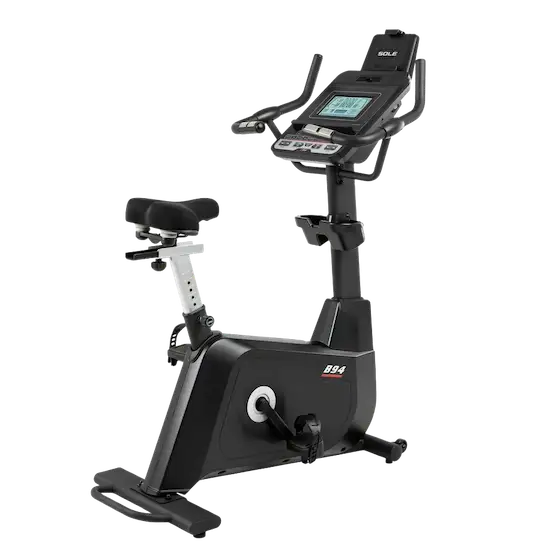 B94 B94
|
Sole | Entry-Level | $1,099.99 |
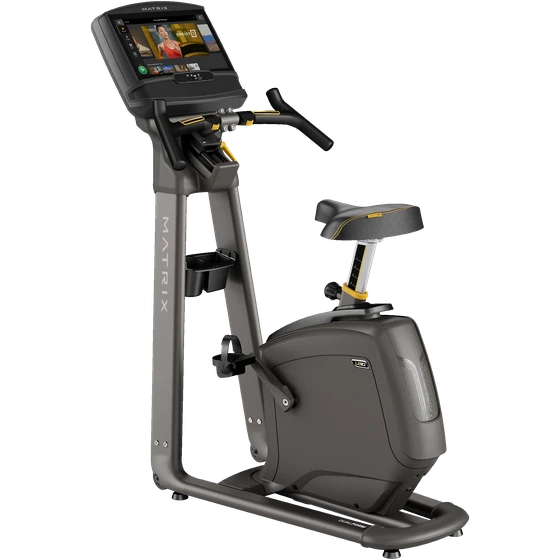 Cycle U30 Cycle U30
|
Matrix | Mid-Range | $2,799.00 |
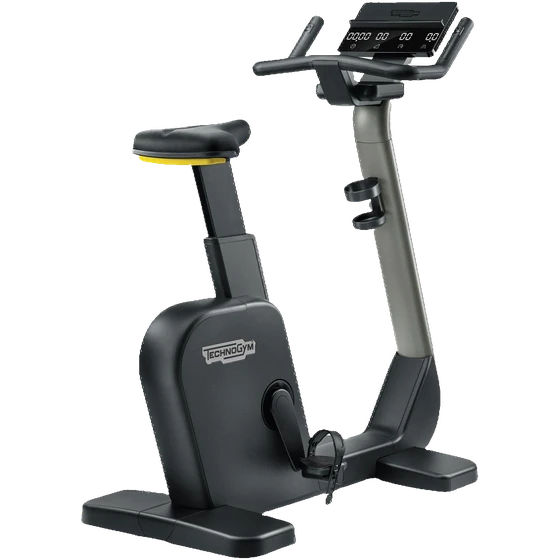 Cycle Cycle
|
Technogym | High-End | $4,630.00 |
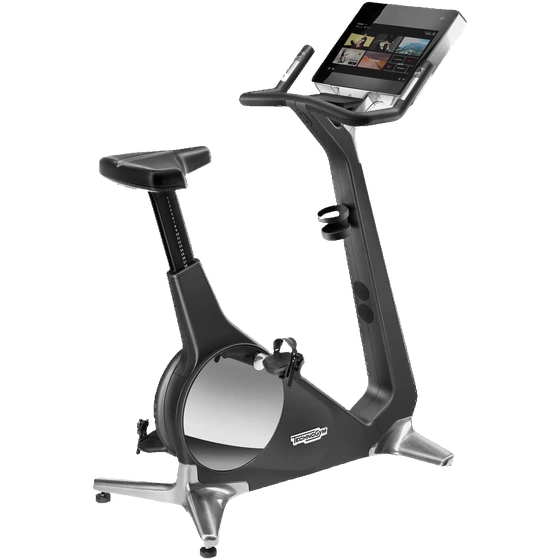 Bike Personal Bike Personal
|
Technogym | Professional | $13,900.00 |
The recumbent bike
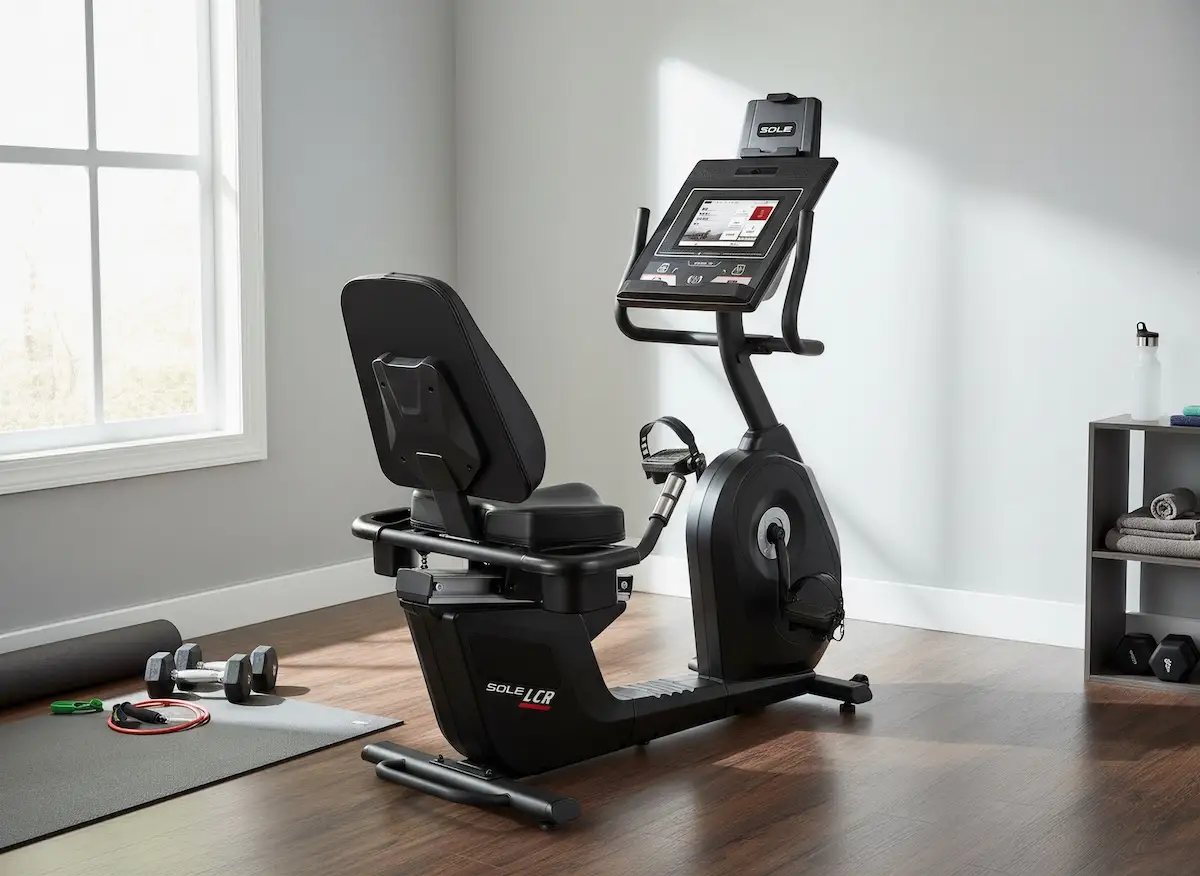
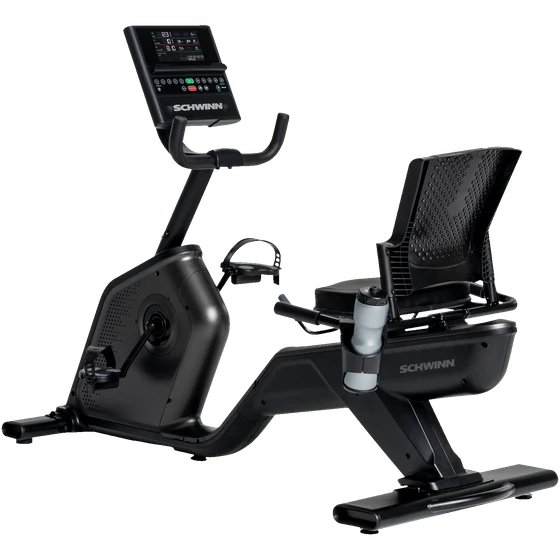
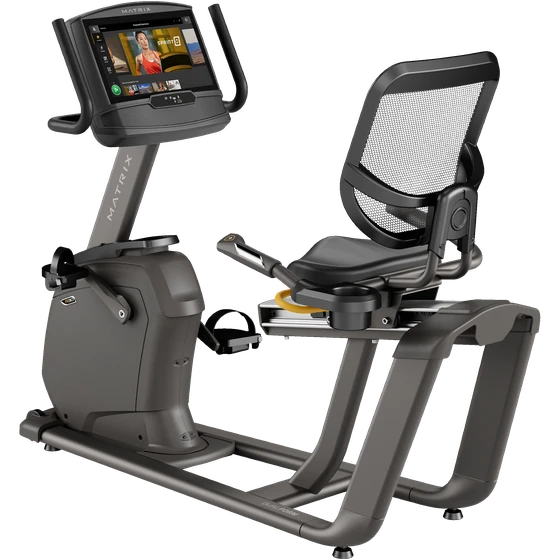
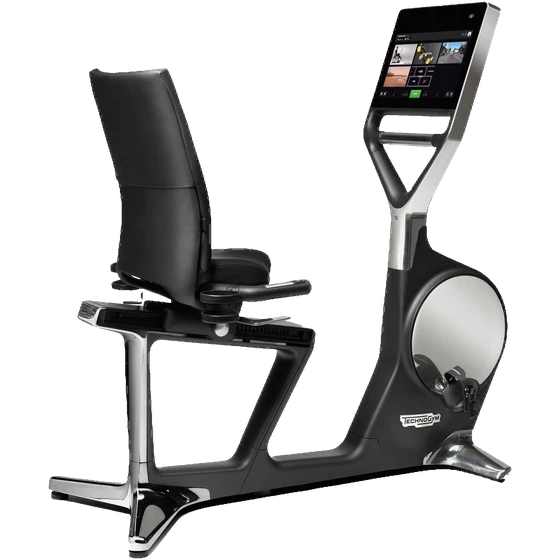
The recumbent bike stands out with its reclined position: the rider sits in a wide seat with a backrest, pedals positioned in front rather than below. This unique configuration provides optimal lumbar support and distributes body weight over a larger surface area.
This type of bike is particularly recommended for seniors, people in rehabilitation, or those suffering from back, hip, or balance problems. The reclined position is also beneficial for people with pudendal neuralgia, as it significantly reduces pressure on the perineum compared to a traditional bike seat. Access is made easier by the absence of a frame to step over (step-through design).
The trade-off: a slightly larger footprint and generally more moderate workout intensity than on an upright bike.
Our recumbent bike recommendations
| Model | Brand | Category | Price |
|---|---|---|---|
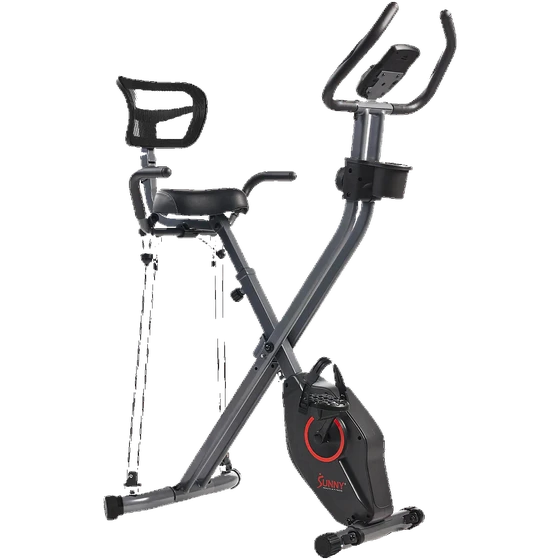 SF-B223012 X-Bike Pro SF-B223012 X-Bike Pro
|
Sunny Health & Fitness | Entry-Level | $269.99 |
 290 290
|
Schwinn | Mid-Range | $999.00 |
 Cycle R30 Cycle R30
|
Matrix | High-End | $3,999.00 |
 Recline Personal Recline Personal
|
Technogym | Professional | $14,700.00 |
The spin bike (indoor cycling)
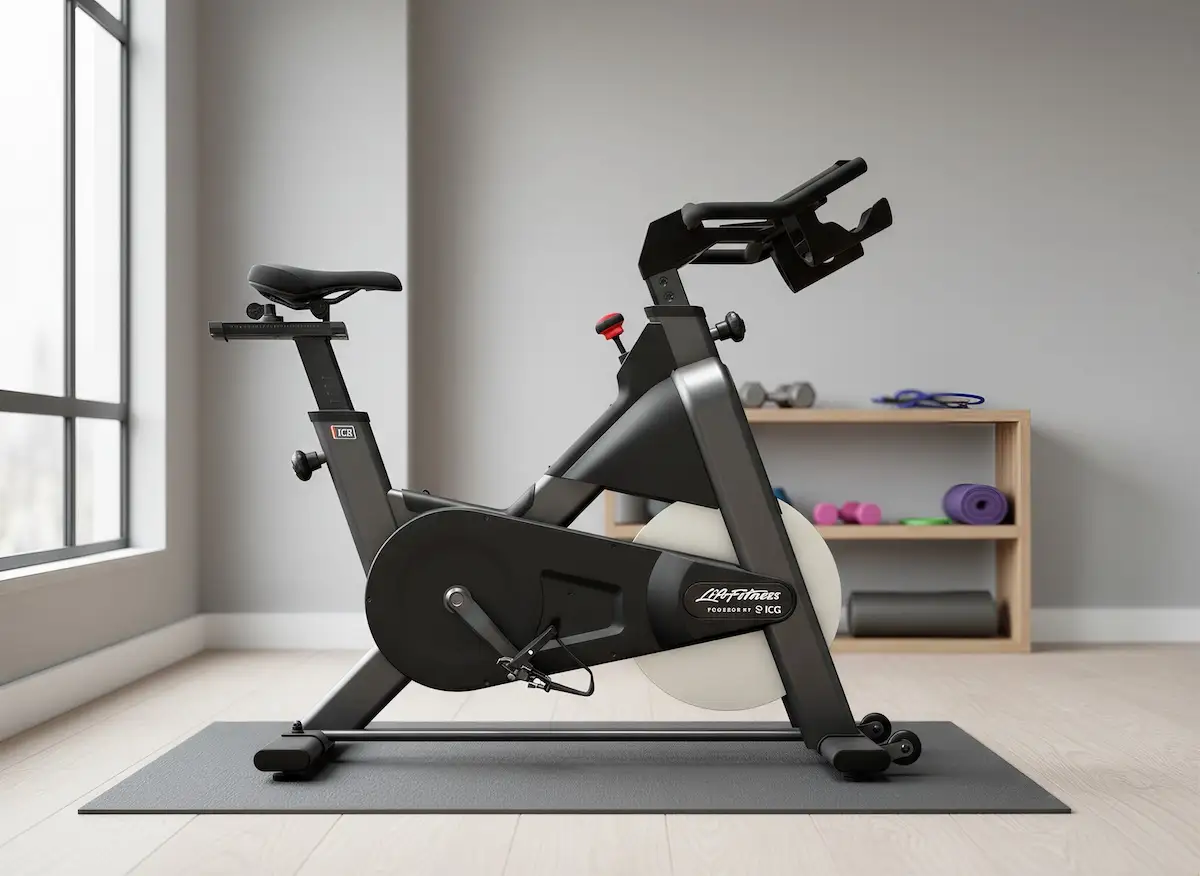
The spin bike is designed to replicate road cycling sensations. It's the flagship bike for group fitness classes (Spin class), like SoulCycle or Cycle class. It features a heavy flywheel (typically 33 to 55 lbs), a forward-leaning position, and the ability to pedal standing up (out of the saddle).
Designed for athletes and fans of virtual group classes (Peloton, Zwift), spinning allows very intense workouts including sprints, simulated climbs, and high-intensity intervals. High-end models offer pedals compatible with clip-in cycling shoes.
This type of bike requires a good baseline fitness level and often represents a larger investment than upright or recumbent bikes. The athletic position can also be demanding on the back and wrists during long sessions.
Our spin bike recommendations
| Model | Brand | Category | Price |
|---|---|---|---|
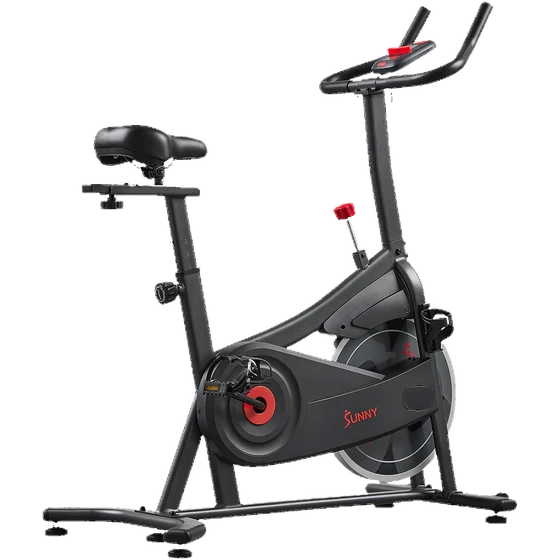 SF-B124066 Active 100 SF-B124066 Active 100
|
Sunny Health & Fitness | Entry-Level | $299.99 |
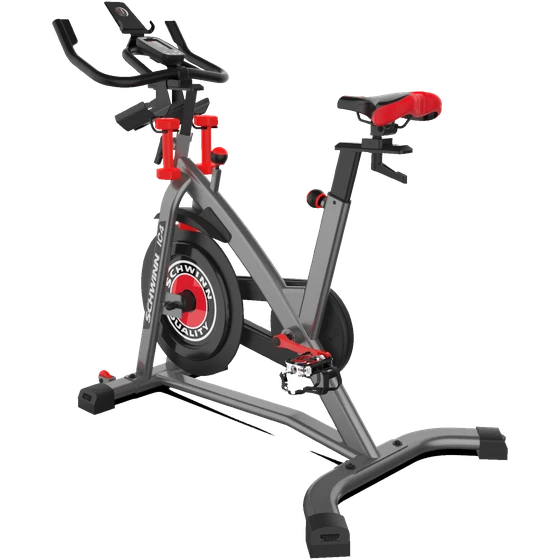 IC4 IC4
|
Schwinn | Mid-Range | $899.00 |
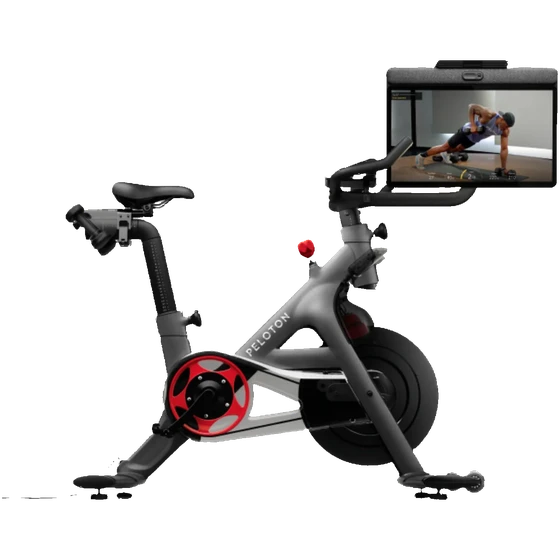 Bike+ Bike+
|
Peloton | High-End | $2,095.00 |
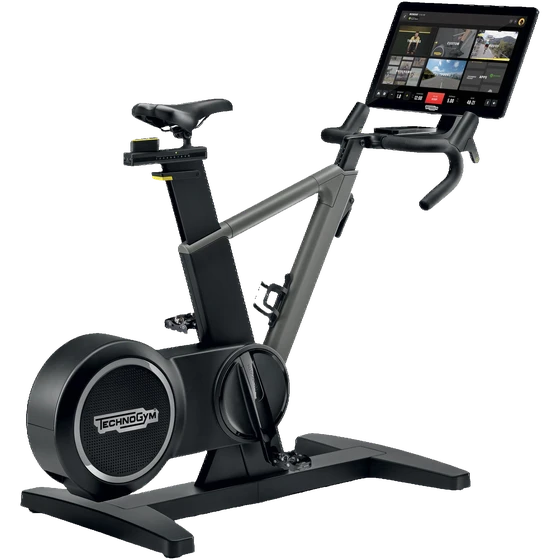 Ride Ride
|
Technogym | Professional | $6,650.00 |
The air bike (fan bike)
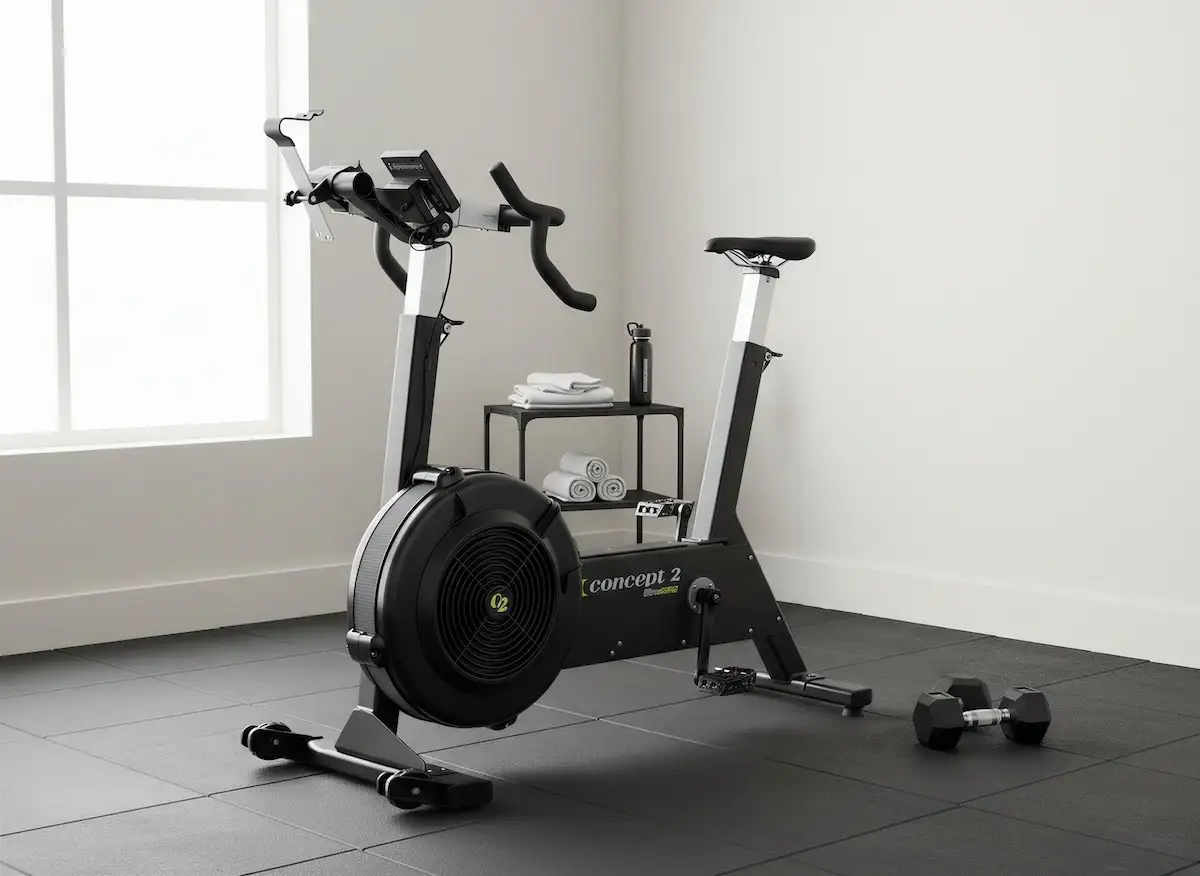
The air bike, also called "fan bike," uses a large front fan to generate resistance. The harder you pedal, the more resistance increases. Not to be confused with the assault bike which has moving arms for a full-body workout: the classic air bike doesn't have moving arms and primarily targets the lower body.
Air bikes are fairly rare and generally limited to the CrossFit world. The air bike is ideal for HIIT (high-intensity interval training) and extreme endurance sessions. In just a few minutes, it can push your heart rate to the maximum.
The main drawback: the noise generated by the fan, which can be bothersome in an apartment. The workout intensity can also discourage beginners.
Our air bike recommendations
| Model | Brand | Category | Price |
|---|---|---|---|
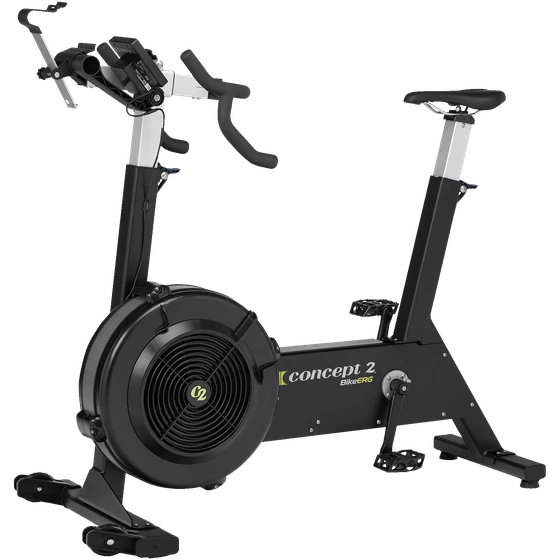 BikeErg BikeErg
|
Concept2 | High-End | $1,100.00 |
Comparison chart: the 4 types of exercise bikes
| Criteria | Upright Bike | Recumbent Bike | Spin Bike | Air Bike |
|---|---|---|---|---|
| Position | Vertical | Reclined with backrest | Forward leaning | Vertical |
| Comfort | Medium | Excellent | Low to medium | Medium |
| Maximum intensity | Moderate to high | Moderate | Very high | Very high |
| Muscles engaged | Legs, glutes, core | Legs, glutes | Legs, glutes, core | Legs, glutes |
| Footprint | Compact | Large | Medium | Medium to large |
| Average price | $150-$600 | $300-$800 | $400-$2,000 | $300-$1,200 |
| Ideal for | Versatility | Seniors, rehab | Athletes | HIIT, CrossFit |
Upright vs Recumbent Bike: The Detailed Comparison
The choice between upright and recumbent bike is one of the most common decisions. These two types represent the majority of sales for home use, but they serve slightly different profiles.
Posture and ergonomic differences
On an upright bike, you sit vertically with hands on the handlebars and weight distributed between the seat, pedals, and arms. This position engages the core stabilizer muscles and replicates the feel of a traditional bicycle.
The recumbent bike places the rider in a semi-reclined position, with the back fully supported by an ergonomic backrest. Weight is distributed over a much larger seating surface, which eliminates pressure on the perineum and significantly reduces upper body muscle fatigue.
Joint impact
According to Harvard Health, cycling is a low-impact exercise particularly beneficial for the heart. This characteristic is even more pronounced on a recumbent bike: the reclined position reduces stress on knees and hips by 30 to 70% compared to an upright bike, according to studies.
For people suffering from arthritis, chronic lower back pain, or in post-operative rehabilitation, the recumbent bike often represents the only option for regular cardio training without pain. If you're looking for an exercise bike for back pain, this is the type you should prioritize.
Calorie burn and intensity
The upright bike generally allows for slightly higher calorie burn: on average 250 to 300 kcal per 30-minute session at moderate intensity, compared to 200 to 250 kcal for the recumbent bike under comparable conditions. These estimates vary based on body weight, actual intensity, and individual metabolism.
This difference is explained by greater muscle engagement (core, arms) and the ability to increase intensity more easily. However, the superior comfort of the recumbent bike often allows for longer sessions, which can compensate for—or even exceed—the calorie burn of a shorter session on an upright bike.
Which type based on your situation?
If you suffer from back, hip, or balance problems, the recumbent bike is the safest and most comfortable choice. If space is limited, the upright bike will be easier to fit into your home. For athletic goals or physical training, the upright bike (or spin bike) will offer more possibilities for intensification.
Comparison chart: upright vs recumbent
| Criteria | Upright Bike | Recumbent Bike |
|---|---|---|
| Back support | No | Yes (ergonomic backrest) |
| Ease of access | Medium (frame to step over) | Excellent (step-through) |
| Core workout | Yes | Minimal |
| Long-duration comfort | Medium | Excellent |
| Calories / 30 min | 250-300 kcal | 200-250 kcal |
| Footprint | Compact (~39 x 20 in) | Larger (~59 x 26 in) |
| Entry price | ~$150 | ~$250 |
| Recommended for seniors | With conditions | Yes |
The Resistance System
The resistance system of an exercise bike determines how the flywheel is braked to create effort. Four main technologies coexist on the market: magnetic, electromagnetic, friction, and air resistance.
Magnetic resistance
Permanent magnets create a braking force without physical contact with the flywheel. Adjustment is done manually via a knob or lever that moves the magnets closer to or further from the flywheel. This system offers quiet operation, no maintenance, and moderate cost. If you're looking for a quiet stationary bike that won't disturb your neighbors or family, magnetic resistance is the most suitable choice. It's an excellent option for regular home use, and it's found on the majority of entry-level and mid-range models, including many recent home spin bikes.
Our magnetic resistance bike recommendations
| Model | Brand | Category | Price |
|---|---|---|---|
|
B94
|
Sole | Entry-Level | $1,099.99 |
|
IC4
|
Schwinn | Mid-Range | $899.00 |
|
Cycle
|
Technogym | High-End | $4,630.00 |
|
Cycle R30
|
Matrix | High-End | $3,999.00 |
Electromagnetic resistance
An electronically controlled electromagnet generates the braking. Unlike the manual magnetic system, resistance is adjusted automatically by the console or app. Advantages: very precise adjustment (often expressed in watts), automated programs, and smooth resistance changes during the workout. It's the preferred technology on connected bikes and high-end models, but it requires an electrical power source.
Our electromagnetic resistance bike recommendations
| Model | Brand | Category | Price |
|---|---|---|---|
|
Ride
|
Technogym | Professional | $6,650.00 |
|
Bike+
|
Peloton | High-End | $2,095.00 |
|
Bike Personal
|
Technogym | Professional | $13,900.00 |
|
Recline Personal
|
Technogym | Professional | $14,700.00 |
Friction resistance
A pad (felt, leather, or rubber) rubs against the flywheel. Historically very common on spin bikes, this system offers sensations close to road cycling and a more accessible cost. In return, the pads wear out and must be replaced periodically, operation generates more noise, and adjustment is less precise.
Friction resistance is now clearly declining on recent models, especially for home use and on connected bikes, in favor of magnetic and electromagnetic systems that are quieter, more consistent, and require less maintenance. It remains mainly present on some entry-level spin bikes or older models.
Air resistance
A fan generates resistance proportional to pedaling speed: the harder you pedal, the more resistance automatically increases. This system primarily equips air bikes and is perfectly suited for HIIT-type or cross-training workouts. It remains rare on standard stationary bikes and generates a higher noise level.
Our air resistance bike recommendations
| Model | Brand | Category | Price |
|---|---|---|---|
|
BikeErg
|
Concept2 | High-End | $1,100.00 |
Technical Criteria to Check
Beyond the type of bike, several technical characteristics directly influence workout quality and equipment durability. Here are the essential points to examine before any purchase.
The flywheel
The flywheel is a weighted disc that stores kinetic energy generated by pedaling. It contributes to movement smoothness, cadence regularity, and pedaling comfort.
On bikes with mechanical resistance (friction or manual magnetic), flywheel weight plays a determining role. For occasional use or light fitness, a 9 to 13 lbs flywheel may suffice. For regular use (3 to 5 sessions per week), it's advisable to aim for at least 15 to 22 lbs. Spin practitioners or those seeking road bike sensations will generally prefer flywheels of 33 lbs and above.
However, on bikes with electromagnetic resistance, flywheel weight is less critical. Pedaling smoothness and regularity are largely ensured by electronic resistance management. A lighter flywheel can thus offer sensations comparable to those of a heavier flywheel on a mechanical system.
In all cases, a heavier flywheel—and therefore a heavier bike—contributes to better overall stability and smoother pedaling, especially during rhythm changes or intense sessions.
These values are indicative and may vary depending on the bike's design and the quality of components used.
Drive system: belt or chain?
The drive system connects the pedals to the flywheel. Two systems exist: the chain, similar to that of a traditional bicycle, and the belt, generally cogged and made of reinforced rubber.
Chain drive offers very direct and realistic sensations, close to those of road cycling, which may appeal to experienced cyclists. However, it requires regular lubrication, generates more noise, and demands more maintenance over time.
The belt, quieter, smoother, and maintenance-free, now equips the vast majority of modern exercise bicycles, including spin bikes and connected bikes. For standard fitness or cardio use, the responsiveness difference with a chain has become minimal, as material and resistance system advances have largely closed the gap.
Crankset and pedal quality
The crankset supports most of the mechanical stresses related to pedaling. It's recommended to favor models equipped with sealed ball bearings, guaranteeing better smoothness, reduced wear, and greater durability over time.
On the pedal side, several configurations exist: flat pedals, versatile and compatible with any shoes; pedals with straps or toe cages, offering better foot retention; and clipless pedals compatible with SPD or Look Delta, which ensure optimal power transmission but require specific cycling shoes.
Mid-range and high-end bikes frequently offer dual-sided pedals, combining a cage or strap side with a clipless-compatible side, to accommodate different user profiles.
Comparison chart: resistance systems
| Type | Noise | Maintenance | Smoothness | Price | Ideal for |
|---|---|---|---|---|---|
| Magnetic (manual) | Quiet | None | Good to very good | $$ | Regular home use |
| Electromagnetic | Very quiet | None | Excellent | $$$ | Connected bikes, structured training |
| Friction | Moderate to high | Pads to replace | Good (depending on flywheel) | $ to $$ | Basic or older spin bikes |
| Air | High | Very low | Variable (linked to intensity) | $$ | HIIT, cross-training, air bikes |
Comfort and Ergonomics: Key Points
An uncomfortable exercise bike will inevitably end up in the back of the garage. Comfort is a determining criterion for maintaining long-term motivation, but also for avoiding potential discomfort or pain during practice, particularly in the perineal area. The ability to make fine and varied adjustments—rather than simple preset positions—is essential.
Seat adjustments
Seat height is the most important adjustment. In low pedaling position, your leg should be slightly bent (about 25 to 30 degrees at the knee), never fully extended. A seat that's too low overloads the knees. A seat that's too high causes pelvis rocking, which is harmful to the back.
Horizontal adjustment (fore/aft) allows you to adjust knee position relative to the pedal. Ideally, when the pedal is in the forward horizontal position, your knee should be directly above the pedal axle.
Favor bikes offering continuous micro-adjustments rather than preset positions spaced several inches apart. This flexibility allows for truly personalized adjustment. This point is even more important if you're tall (above about 6'1").
Handlebar adjustments
Height and tilt of the handlebar directly influence upper body posture. A handlebar that's too low forces a bent position that can fatigue the back and wrists; conversely, a handlebar that's too high limits pedaling efficiency.
Entry-level bikes generally offer vertical adjustment only. More advanced models add horizontal adjustment (closer/further), allowing more complete position customization.
Seat quality
Exercise bike seats are mainly divided into two categories: wide and padded seats (comfort prioritized) and narrow "performance" type seats (pedaling efficiency prioritized), found mainly on spin bikes.
For general fitness use, a moderately padded seat with an ergonomic shape respecting anatomy suits most users. Regular spin practitioners often prefer firmer and narrower seats, similar to road bike seats, but generally less comfortable for long sessions.
Important point: it's now possible to replace the original seat with a model of your choice (standard mounting) on the vast majority of models. A padded seat cover can also improve comfort simply and economically. Finally, wearing cycling shorts or overshorts with a padded insert often significantly increases comfort. The seat plays a key role, but it's never a deal-breaker.
Maximum weight capacity
The weight capacity indicated by the manufacturer corresponds to the maximum user weight supported by the equipment. This parameter varies considerably across ranges:
- Entry-level: 250–300 lbs
- Mid-range: 300–350 lbs
- High-end: 350 lbs and above
The majority of stationary bikes, even entry-level ones, display a weight capacity of at least 265 lbs, which covers the vast majority of users. However, these values should be interpreted with caution: supporting a maximum weight doesn't guarantee stability or comfort during effort. Bikes weighing less than 65 lbs can quickly feel unstable for many users.
Stability and build quality
Equipment weight is often a good indicator of its robustness. A bike that's too light (less than 50 lbs) risks lacking stability, particularly during intense efforts or standing position.
Check the base width and the presence of adjustable non-slip feet to compensate for floor irregularities. Steel frames generally offer better durability than aluminum for intensive use.
To ensure stability and durability, plan for a safety margin of about 20% between your weight and the stated maximum capacity. Ideally, also favor a bike whose weight represents at least one-third of yours. For example, a 200 lbs user would ideally choose a bike weighing at least 70 lbs and supporting at least 240 lbs.
Fitness app compatibility
If you want a connected exercise bike, know that connectivity doesn't depend solely on the presence of a built-in screen. Many models can connect to apps via Bluetooth or ANT+, which allows distinguishing two main categories of apps: generalist platforms and brand-specific proprietary apps.
Generalist apps
Generalist apps are compatible with a wide range of bikes and sensors. They offer great freedom of use and allow changing services without hardware constraints.
- Zwift: interactive virtual world, online races, and structured workouts—~$20/month
- Kinomap: real video courses and guided sessions—~$10–12/month
Proprietary (brand) apps
Proprietary apps are designed to work optimally with a specific brand's bikes. They offer deep integration but often imply dependence on a closed ecosystem.
- Peloton Digital / All-Access: live and on-demand classes—~$13/month (Digital) or ~$44/month (All-Access)
- iFit (NordicTrack, ProForm): personalized programs and immersive courses—~$39/month
Over a three-year period, subscriptions to these platforms can represent between $360 and over $1,500. This recurring cost should be factored into the overall budget, as it can sometimes equal or even exceed the price of the bike itself.
Heart rate measurement
Heart rate monitoring allows optimizing training by targeting specific intensity zones (endurance, fat burning, anaerobic threshold).
Built-in handlebar sensors (hand contact) offer approximate precision, sufficient for general indication. For truly reliable tracking, compatibility with a Bluetooth or ANT+ chest strap is preferable. Polar or Garmin straps are compatible with most bikes and apps.
Other useful features
Some features, while secondary, improve daily comfort of use: bottle holder, tablet or smartphone holder (for following videos or apps on your own device), built-in fan (appreciated during intense sessions), and Bluetooth speakers.
Comparison chart: connected vs standard bike
| Criteria | Standard Bike | Connected Bike |
|---|---|---|
| Purchase price | $150-$600 | $800-$2,500 |
| Monthly subscription | $0 (optional with third-party apps) | $15-$45/month |
| Motivation source | Self-created | Classes, instructors, community |
| Performance tracking | Basic (LCD console) | Detailed (history, progression) |
| App flexibility | Total | Often limited to ecosystem |
| Obsolescence risk | Low | Moderate (evolving technology) |
What Budget to Plan?
Exercise bike prices range from a few hundred dollars to over $10,000 for professional bikes found in high-end home gyms or commercial gyms. Defining your budget upfront allows targeting relevant models without wasting time.
Entry-level ($100-$500)
In this range, you'll find upright and recumbent bikes equipped with basic magnetic resistance, a 13 to 18 lbs flywheel, and a simple LCD console. Construction is functional but materials and finishes remain modest. These models are suitable for occasional use (1 to 2 sessions per week) or for starting out without significant investment.
Mid-range ($500-$1,500)
This segment often offers the best value for regular use. You get more robust construction, a 22 to 33 lbs flywheel, finer adjustments, and often Bluetooth connectivity for apps. These bikes can support sustained use (3 to 5 sessions per week) and generally last 5 to 10 years with minimal maintenance. Mid-range models cover the vast majority of user profiles.
Representative brands: Schwinn, ProForm, Horizon Fitness, Sunny Health & Fitness.
High-end ($1,500-$2,500)
High-end includes the majority of professional spin bikes and connected bikes with built-in screens. Generally heavy and stable models equipped with a heavy flywheel (40-55 lbs), quiet belt drive, watt power measurement, and enriched content ecosystem. Some models also feature electromagnetic resistance for more precision.
These machines are aimed at enthusiasts, demanding athletes, or those seeking a group class experience at home.
Professional or very high-end (> $2,500)
Beyond $2,500, you enter the category of commercial-quality bikes designed for gyms and the most demanding users. These machines stand out with ultra-robust construction (reinforced frame, weight capacity often exceeding 350 lbs), electromagnetic resistance offering precise watt control, and durability designed for intensive daily use.
Professional models generally integrate advanced features: large HD or 4K screens, complete connectivity (Bluetooth, Wi-Fi, ANT+), compatibility with major training ecosystems, and sometimes proprietary technologies like automatic resistance control synchronized with virtual courses.
These bikes represent a significant investment but offer unmatched longevity and training quality for fitness enthusiasts or professionals.
Summary chart: budget by usage level
| Usage level | Bike budget | Monthly subscription | Total cost over 3 years |
|---|---|---|---|
| Occasional | $150-$300 | $0 | $150-$300 |
| Regular | $400-$700 | $0-$20 | $400-$1,400 |
| Intensive | $800-$1,500 | $20-$45 | $1,500-$3,100 |
| Premium connected | $1,500-$2,500 | $35-$45 | $2,700-$4,100 |
Footprint and Storage
Available space is a major constraint for many buyers. An exercise bike, however performant, will be useless if it blocks the way or ends up relegated to an inaccessible corner.
Average dimensions by type
Dimensions vary significantly by bike type:
- Upright bike: approximately 39 x 20 x 51 in (length x width x height)
- Recumbent bike: approximately 59 x 26 x 39 in—notably larger in length
- Spin bike: approximately 47 x 22 x 43 in
- Air bike: approximately 51 x 26 x 51 in
Folding bikes: space-saving solution
Looking for a stationary bike for small spaces? Folding bikes represent an interesting alternative for small spaces or studios. Once folded, they reduce their footprint by 50 to 70%, allowing storage in a closet or behind a door.
These models generally weigh between 33 and 55 lbs, facilitating handling. In return, they offer lower stability and workout intensity than fixed bikes. The flywheel is often lighter and adjustments more limited.
Folding bikes are suitable for occasional use (fitness maintenance, cardio maintenance) but won't satisfy users seeking athletic sensations or wanting regular workouts.
Transport and moving
If you plan to move your bike regularly (storage after each session, room change), check for sturdy transport wheels. This feature becomes essential for models exceeding 55 lbs.
Space needed around the bike
Beyond the bike's floor footprint itself, plan for sufficient clearance space: about 20 in on each side to mount and dismount comfortably, and a bit more at the back if you're using a spin bike that allows standing position.
If you're installing the bike under a low ceiling (attic, basement), check the height in pedaling position—particularly for spinning where you can stand on the pedals.
Finally, a protective mat under the bike is recommended to preserve the floor (hardwood, tile) and absorb vibrations.
Which Exercise Bike Based on Your Profile?
Beyond technical characteristics, bike choice fundamentally depends on your profile, goals, and any physical constraints. Here are targeted recommendations for the most common situations. Also consider checking the few contraindications to using an exercise bike before getting started.
For seniors and rehabilitation
The recumbent bike stands out as the reference choice for seniors and people in rehabilitation. The ergonomic backrest supports the spine, the wide seat comfortably distributes weight, and the step-through design facilitates access without risk of imbalance.
According to the American Heart Association, regular physical activity—even moderate intensity—provides significant cardiovascular benefits. The recumbent bike allows achieving these goals while minimizing risks.
Priority criteria: maximum stability, easy access, adjustable resistance over a wide range (including very low), readable display. Recommended budget: $300-$600.
For weight loss
Weight loss relies on a caloric deficit, which the exercise bicycle can help create effectively, but don't forget that diet remains the key to effective and lasting weight loss. Upright bikes, spin bikes, and air bikes offer the best possibilities for intensifying workouts to maximize energy expenditure.
For optimal results, favor a bike allowing varied workouts: adjustable resistance over many levels, built-in programs (or compatibility with apps offering HIIT sessions), and heart rate measurement to stay in effective work zones.
Consistency trumps occasional intensity. Aim for 3 to 5 sessions of 30 to 45 minutes per week.
For intensive athletic training
Demanding athletes—cyclists wanting to train indoors, triathlon practitioners, spinning class enthusiasts—need a bike capable of supporting intense and prolonged efforts.
The spin bike equipped with a heavy flywheel (40 lbs minimum), belt drive, and clipless pedals is the natural choice in this case. For HIIT and general physical conditioning, the air bike constitutes a formidably effective alternative, but isn't really suited for long-duration sessions at moderate intensity.
For beginners
If you're looking for an exercise bike for beginners, or if you're simply resuming activity after a long break, focus on comfort and simplicity. A mid-range upright or recumbent bike generally offers the best compromise.
Avoid overly basic entry-level models: an uncomfortable seat or poorly calibrated resistance are enough to discourage good resolutions. Conversely, a high-end connected bike isn't necessary to get started.
Priority criteria: seating comfort, stability, ease of use, some preset programs to guide the first sessions. Recommended budget: $250-$500.
Summary chart: which bike based on your profile?
| Profile | Recommended type | Key criteria | Budget |
|---|---|---|---|
| Senior / Rehab | Recumbent | Backrest, easy access, stability | $300-$600 |
| Weight loss | Upright, Spin | Varied resistance, programs, cardio | $300-$800 |
| Intensive athlete | Spin, Air bike | Heavy flywheel, pro pedals, watts | $600-$2,000 |
| Beginner | Upright, Recumbent | Comfort, simplicity | $250-$500 |
| Small space | Folding | Compactness, easy storage | $200-$400 |
FAQ
How long should you use an exercise bike per day?
WHO and CDC recommendations call for 150 minutes of moderate aerobic activity per week, or about 30 minutes per day over 5 days. This duration is enough to obtain significant cardiovascular benefits and maintain stable weight.
If your schedule is constrained, know that benefits can also be obtained by splitting: three 10-minute sessions spread throughout the day are equivalent to one continuous 30-minute session. The key is consistency.
Does an exercise bike help you lose weight?
The exercise bike is an effective tool for creating a caloric deficit, a necessary condition for weight loss. A 30-minute session can burn on average between 200 and 400 calories depending on intensity and your body weight.
Exercise alone isn't enough to lose weight—it's important to combine it with dietary adjustments. For lasting results, combine cycling with a balanced diet and, ideally, strength training exercises. Additional muscle increases basal metabolism, making it easier to maintain weight over the long term.
Exercise bike or treadmill: which to choose?
Choosing between exercise bike or treadmill is a classic first fitness equipment investment dilemma. The exercise bicycle and treadmill are complementary rather than competing. The bike offers very low-impact exercise, ideal for people with joint problems. It also allows seated training, which may be more comfortable for some.
The treadmill engages more muscle groups (including stabilizer muscles) and generates slightly higher calorie burn at equivalent perceived effort. However, the repeated impact can be problematic for knees and ankles.
What is the lifespan of an exercise bike?
Lifespan varies considerably depending on build quality and usage intensity. As a rough guide: 2 to 5 years for an entry-level bike used moderately, 5 to 10 years for a mid-range with regular use, and 10 to 15 years (or more) for a high-end properly maintained.
The elements that wear out first are generally the drive belt, brake pads (friction resistance), and crankset bearings. On quality models, these parts are replaceable, significantly extending the equipment's lifespan.
Can you use an exercise bike with knee problems?
In the vast majority of cases, yes. Cycling is even frequently recommended by physical therapists and rheumatologists for people suffering from knee osteoarthritis. The circular and smooth pedaling motion mobilizes the joint without impact or excessive stress.
For comfortable practice: properly adjust seat height (leg slightly bent in low position), maintain moderate resistance, and favor a high pedaling cadence (80-100 rpm) rather than strong resistance at low cadence.
The recumbent bike, with its position further reducing joint stress, often constitutes the best choice for this profile. Nevertheless, consult your doctor or physical therapist for personalized advice.
Do you need special shoes for an exercise bike?
For general fitness use, classic athletic shoes with rigid soles are perfectly adequate. Avoid shoes with overly soft soles (highly cushioned running shoes) that transmit power less efficiently and can cause foot pain.
For intensive spinning, cycling shoes equipped with cleats (SPD or Look Delta system) offer significant advantages: better power transmission, optimal foot retention, ability to "pull" on the pedal in addition to pushing. This investment ($50-$150) is recommended for regular practitioners wanting to progress.
Key Takeaways Before Buying an Exercise Bike
- The bike type should be chosen based on your physical condition and goals: upright bike for general fitness, recumbent for comfort and back problems, spin for intensive training.
- Comfort and adjustments are essential for sustainable practice—test if possible before buying.
- Connected features can be motivating but often involve a long-term subscription cost.
- There is no universal model: the best bike is the one you'll use regularly.