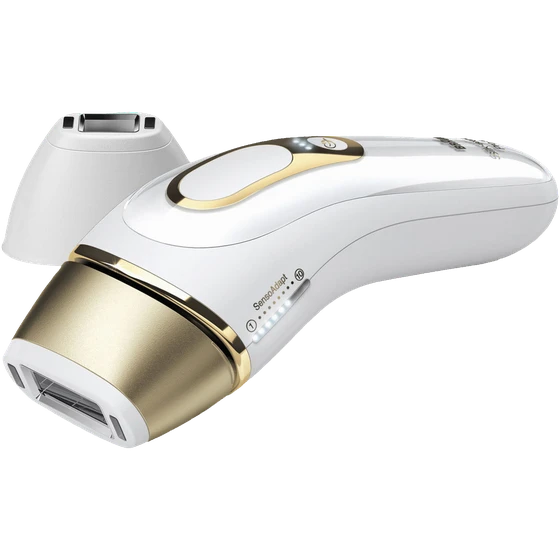
Silk-expert Pro 5 Braun
- Technology: IPL
- Intensity levels: 10
- Total flashes: 400,000
- Treatment window: 3.0 cm²
- Wavelength: 500–1200 nm
- Session time: ~10 min (full body)
- Power: Corded
- Cooling: None
- Skin tones: Fitzpatrick I-V
- Attachments: 4 included
- Warranty: 24 months
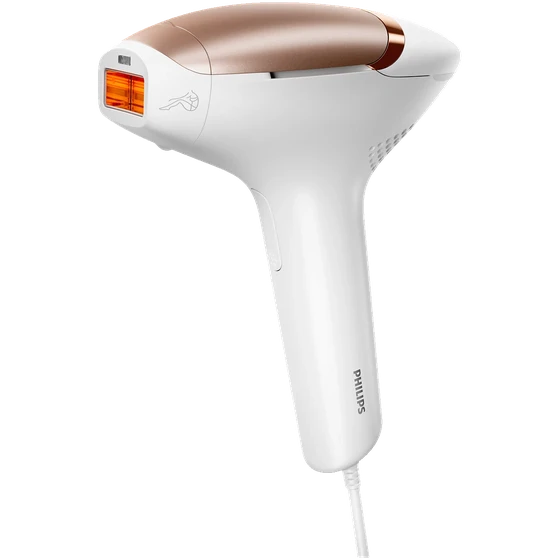
Lumea IPL 9000 Philips
- Technology: IPL
- Intensity levels: 5
- Total flashes: 400,000
- Treatment window: 4.1 cm²
- Wavelength: 500–1200 nm
- Session time: ~17 min (full body)
- Power: Corded
- Cooling: None
- Skin tones: Fitzpatrick I-V
- Attachments: 4 included
- Warranty: 24 months
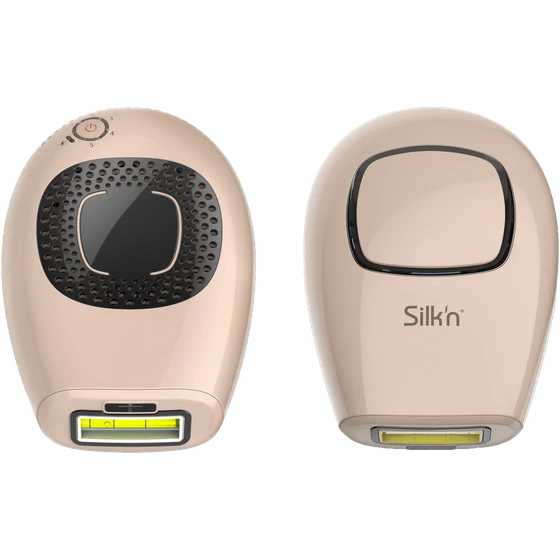
Infinity Fast Silk'n
- Technology: eHPL
- Energy output: 5.0 J/cm²
- Intensity levels: 5
- Total flashes: 600,000
- Treatment window: 2.7 cm²
- Wavelength: 475–1200 nm
- Session time: ~20 min (full body)
- Power: Corded
- Cooling: None
- Skin tones: Fitzpatrick I-VI
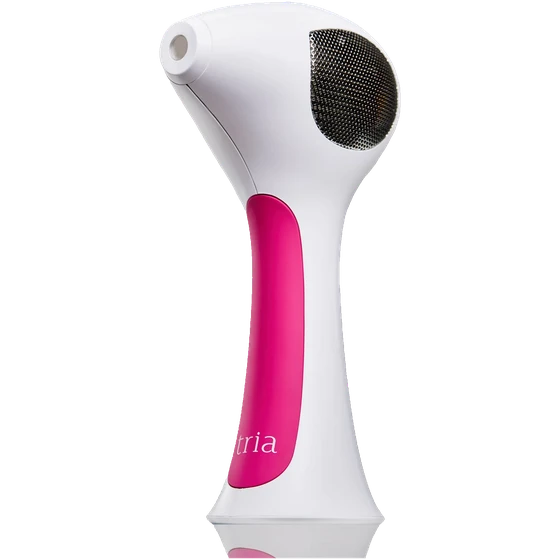
Hair Removal Laser 4X Tria
- Technology: Diode Laser
- Energy output: 20.0 J/cm²
- Intensity levels: 5
- Total flashes: Unlimited
- Treatment window: 1.0 cm²
- Wavelength: 808–810 nm
- Session time: ~30 min (full body)
- Power: Cordless
- Cooling: None
- Skin tones: Fitzpatrick I-V
- Warranty: 24 months
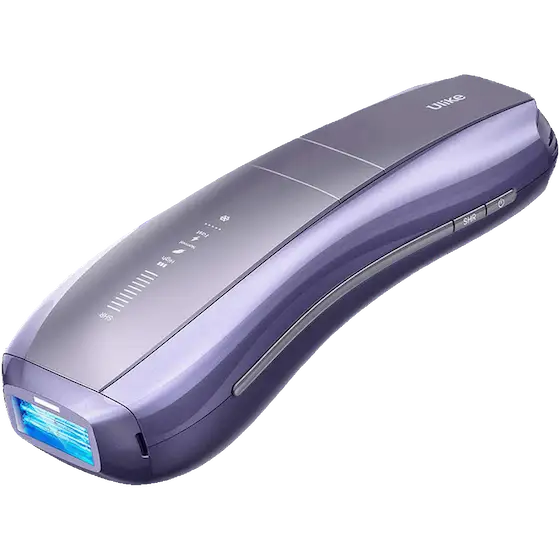
Air 10 Ulike
- Technology: IPL
- Energy output: 19.8 J/cm²
- Intensity levels: 6
- Total flashes: Unlimited
- Treatment window: 3.9 cm²
- Wavelength: 500–1200 nm
- Session time: ~10 min (full body)
- Power: Corded
- Cooling: Sapphire
- Skin tones: Fitzpatrick I-VI
- Attachments: 2 included
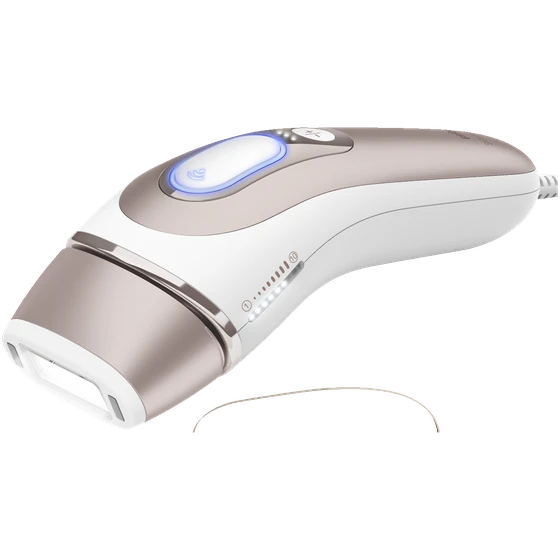
Skin i-expert Smart IPL Braun
- Technology: IPL
- Energy output: 6.0 J/cm²
- Intensity levels: 10
- Treatment window: 3.0 cm²
- Wavelength: 500–1200 nm
- Session time: ~10 min (full body)
- Power: Corded
- Cooling: None
- Skin tones: Fitzpatrick I-V
- Attachments: 4 included
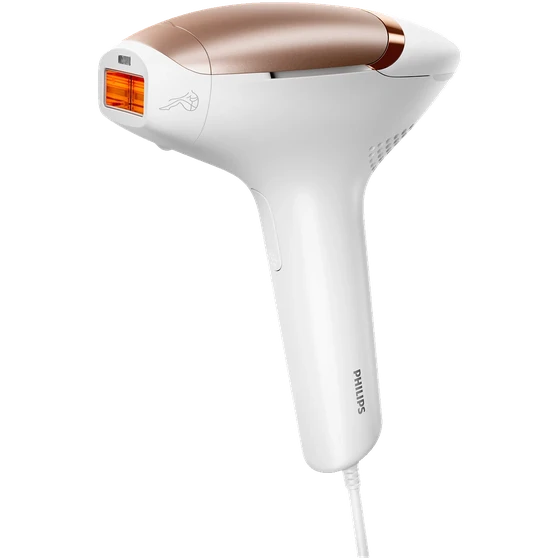
Lumea IPL 8000 Series Philips
- Technology: IPL
- Intensity levels: 5
- Total flashes: 400,000
- Treatment window: 4.1 cm²
- Wavelength: 500–1200 nm
- Session time: ~15 min (full body)
- Power: Corded
- Cooling: None
- Skin tones: Fitzpatrick I-V
- Attachments: 3 included
- Warranty: 24 months
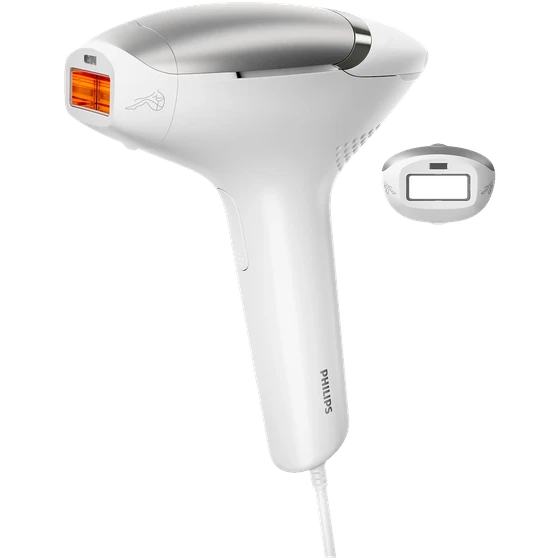
Lumea IPL 7000 Series Philips
- Technology: IPL
- Intensity levels: 5
- Total flashes: 400,000
- Treatment window: 4.1 cm²
- Wavelength: 500–1200 nm
- Session time: ~15 min (full body)
- Power: Corded
- Cooling: None
- Skin tones: Fitzpatrick I-V
- Attachments: 1 included
- Warranty: 24 months
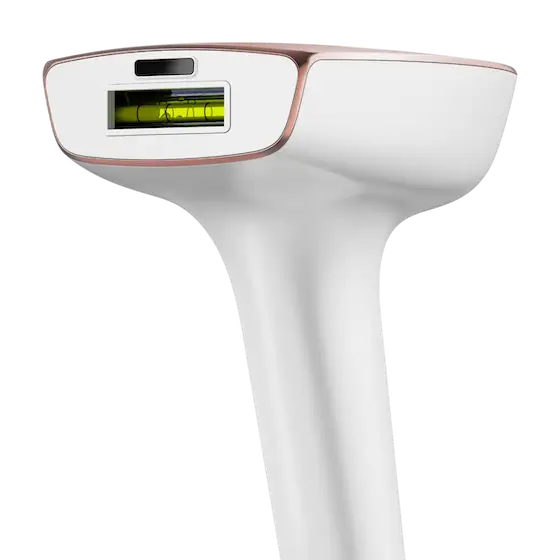
Motion Premium Silk'n
- Technology: IPL
- Energy output: 5.0 J/cm²
- Intensity levels: 5
- Total flashes: 600,000
- Treatment window: 2.7 cm²
- Wavelength: 475–1200 nm
- Session time: ~15 min (full body)
- Power: Corded
- Cooling: None
- Skin tones: Fitzpatrick I-V
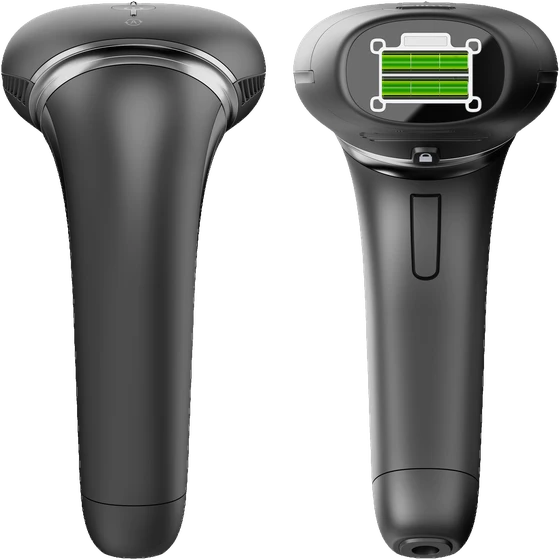
7 Silk'n
- Technology: eHPL
- Energy output: 5.0 J/cm²
- Intensity levels: 5
- Treatment window: 5.1 cm²
- Wavelength: 475–1200 nm
- Session time: ~7 min (full body)
- Power: Corded
- Cooling: None
- Skin tones: Fitzpatrick I-VI
- Attachments: 3 included
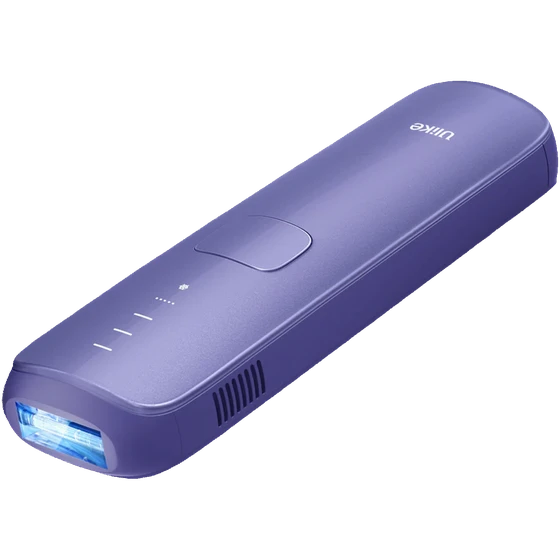
Air 3 Ulike
- Technology: IPL
- Energy output: 7.2 J/cm²
- Intensity levels: 3
- Total flashes: 300,000
- Treatment window: 3.3 cm²
- Wavelength: 510–1100 nm
- Session time: ~12 min (full body)
- Power: Corded
- Cooling: Sapphire
- Skin tones: Fitzpatrick I-V
- Warranty: 24 months
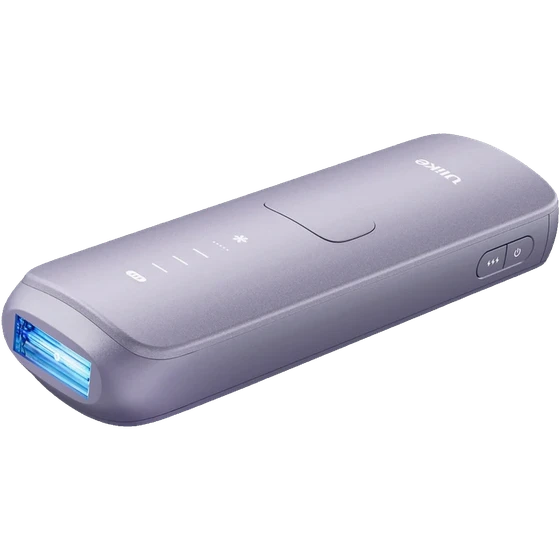
Air 4 Ulike
- Technology: IPL
- Session time: ~12 min (full body)
- Power: Corded
- Cooling: Sapphire
- Skin tones: Fitzpatrick I-V
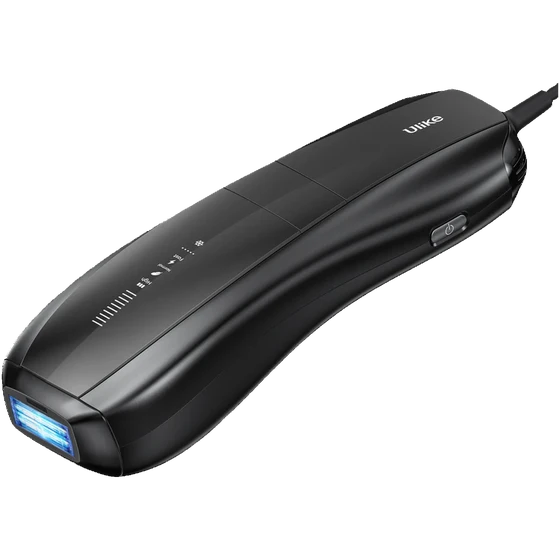
X Ulike
- Technology: IPL
- Energy output: 6.5 J/cm²
- Intensity levels: 3
- Total flashes: 300,000
- Session time: ~10 min (full body)
- Power: Corded
- Cooling: Sapphire
- Skin tones: Fitzpatrick I-VI
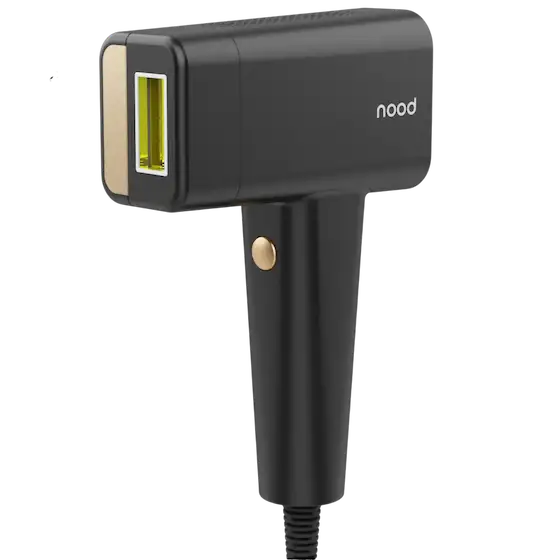
Flasher Pro Nood
- Technology: IPL
- Energy output: 6.0 J/cm²
- Intensity levels: 5
- Total flashes: Unlimited
- Treatment window: 3.0 cm²
- Wavelength: 510–1200 nm
- Power: Corded
- Cooling: Sapphire
- Skin tones: Fitzpatrick I-IV
- Attachments: 2 included
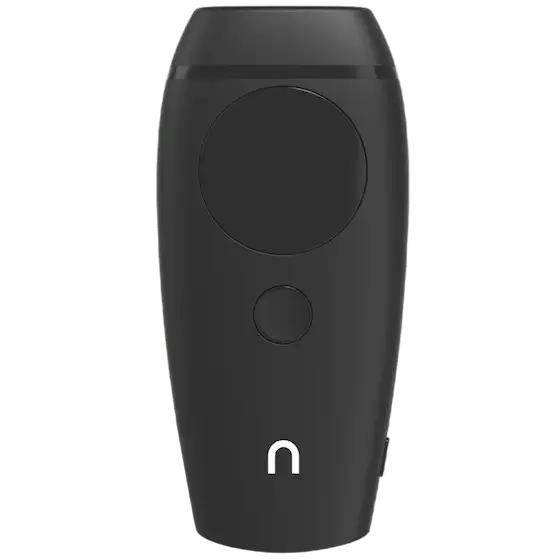
The Flasher 2.0 Nood
- Technology: IPL
- Energy output: 5.0 J/cm²
- Intensity levels: 7
- Total flashes: 600,000
- Treatment window: 3.0 cm²
- Wavelength: 510–1200 nm
- Power: Corded
- Cooling: None
- Skin tones: Fitzpatrick I-IV
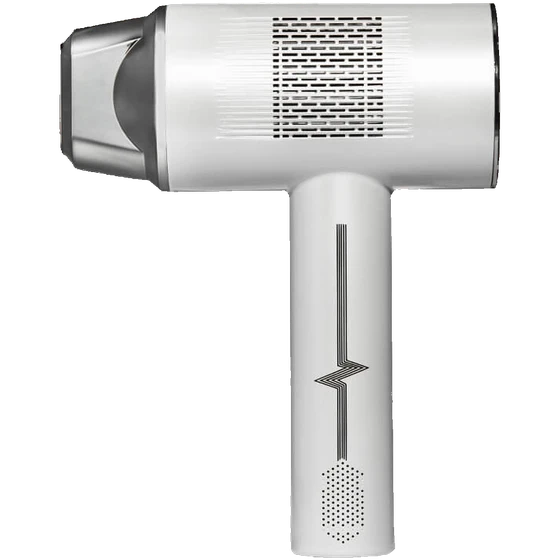
Skin Laser Hair Removal Device CurrentBody
- Technology: Diode Laser
- Energy output: 7.0 J/cm²
- Intensity levels: 6
- Treatment window: 3.0 cm²
- Wavelength: 810 nm
- Session time: ~15 min (full body)
- Power: Corded
- Cooling: Ice_cooling
- Skin tones: Fitzpatrick I-IV
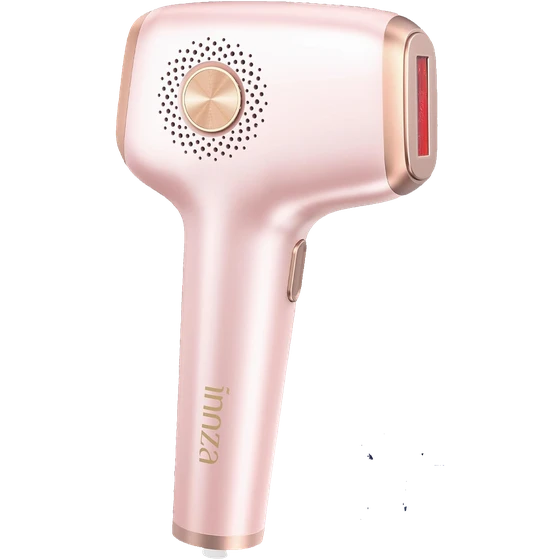
IPL Ice Cooling INNZA
- Technology: IPL
- Energy output: 6.0 J/cm²
- Intensity levels: 9
- Total flashes: Unlimited
- Wavelength: 600–1200 nm
- Power: Corded
- Cooling: Ice_cooling
- Skin tones: Fitzpatrick I-IV
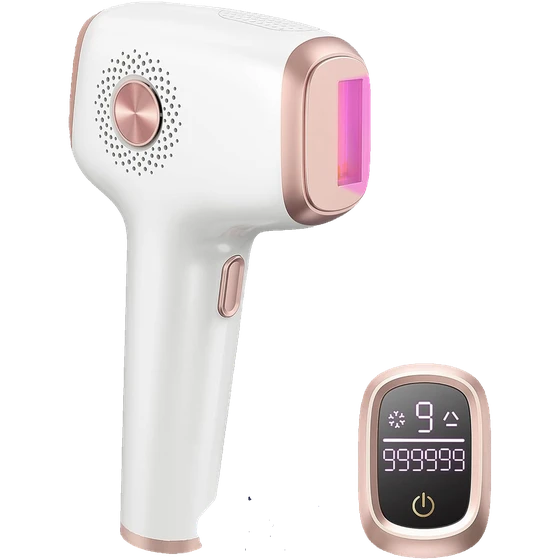
IPL Hair Remover Ice Cooling INNZA
- Technology: IPL
- Intensity levels: 9
- Total flashes: Unlimited
- Wavelength: 600–1200 nm
- Power: Corded
- Cooling: Ice_cooling
- Skin tones: Fitzpatrick I-IV
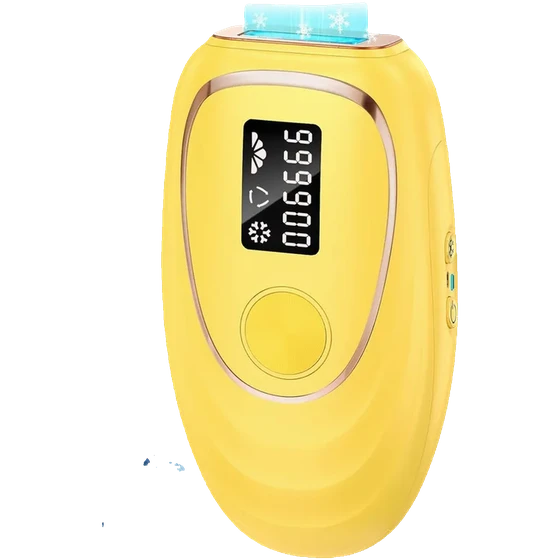
IPL Hair Removal Oreeth
- Technology: IPL
- Intensity levels: 5
- Total flashes: Unlimited
- Power: Corded
- Cooling: Ice_cooling
- Skin tones: Fitzpatrick I-IV
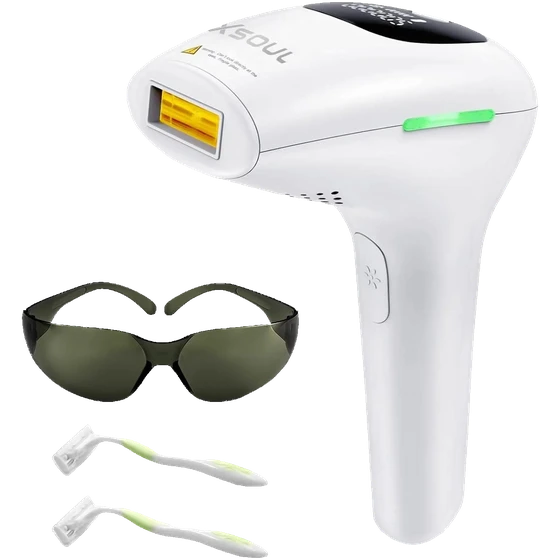
Original At-Home XSoul
- Technology: IPL
- Intensity levels: 5
- Total flashes: Unlimited
- Power: Corded
- Cooling: None
- Skin tones: Fitzpatrick I-IV
- Warranty: 36 months
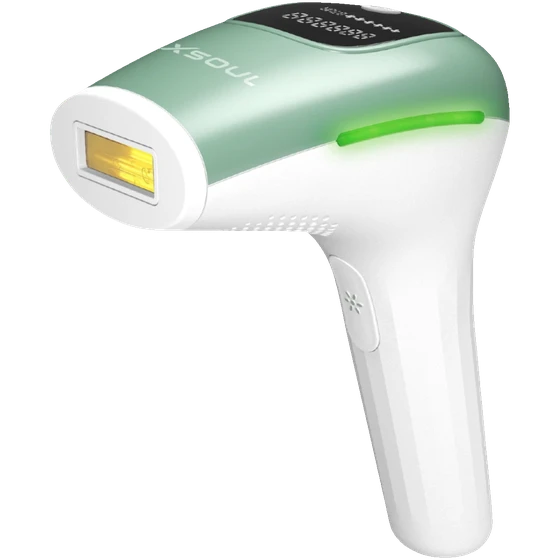
Dermaflash Pro XSoul
- Technology: IPL
- Intensity levels: 6
- Total flashes: Unlimited
- Power: Corded
- Cooling: None
- Skin tones: Fitzpatrick I-IV
- Warranty: 36 months
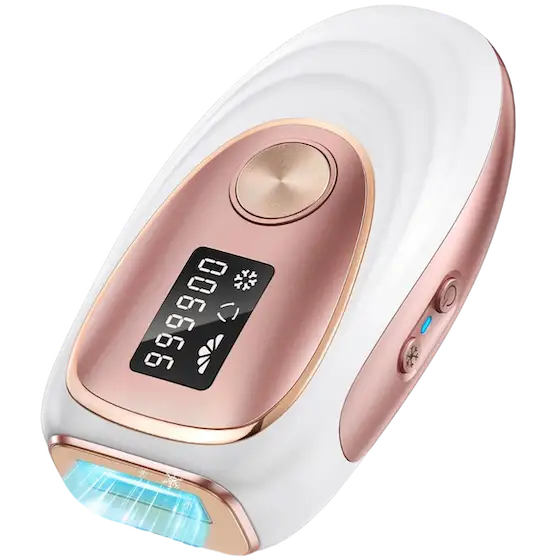
Ice Cool IPL Lysmoski
- Technology: IPL
- Intensity levels: 5
- Session time: ~12 min (full body)
- Power: Corded
- Cooling: Sapphire
- Skin tones: Fitzpatrick I-IV
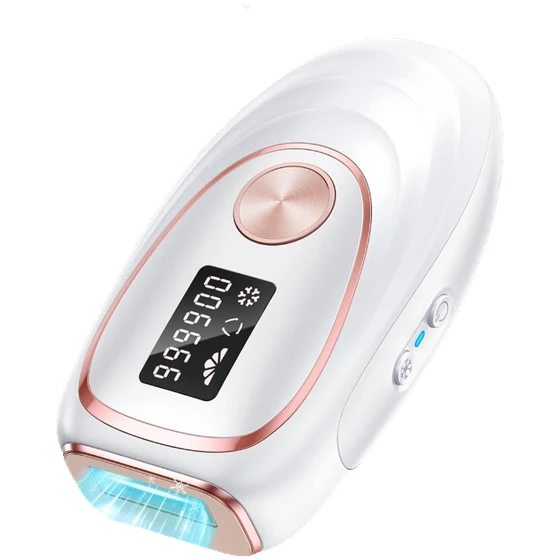
IPL Hair Removal Haarlosy
- Technology: IPL
- Intensity levels: 5
- Total flashes: 999,900
- Session time: ~15 min (full body)
- Power: Corded
- Cooling: Ice_cooling
- Skin tones: Fitzpatrick I-IV
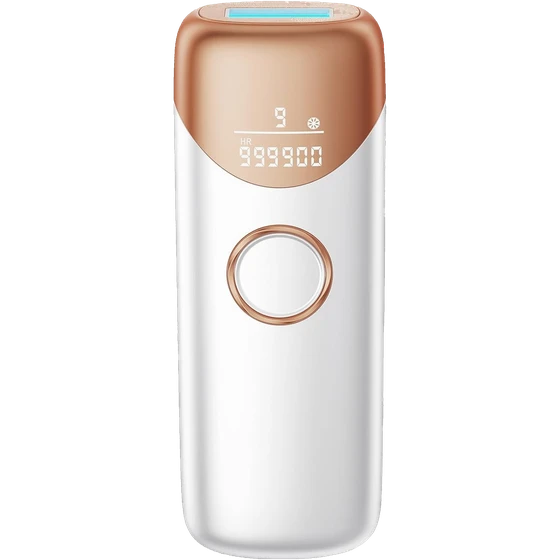
CT07 Ubroo
- Technology: IPL
- Energy output: 7.0 J/cm²
- Intensity levels: 9
- Total flashes: 999,900
- Treatment window: 3.0 cm²
- Wavelength: 590–1200 nm
- Power: Corded
- Cooling: Ice_cooling
- Skin tones: Fitzpatrick I-IV
- Warranty: 12 months
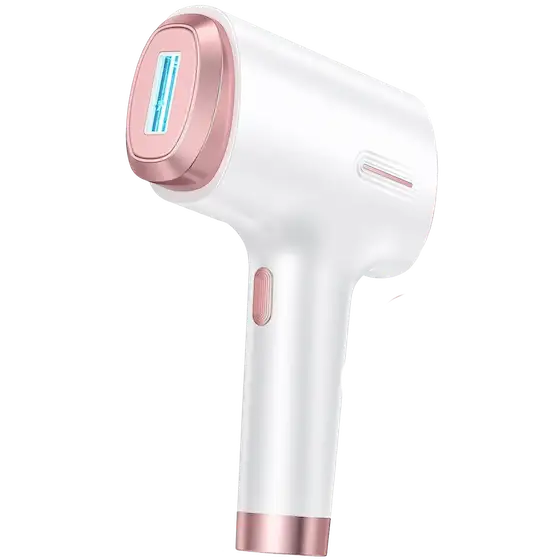
07Pro Ubroo
- Technology: IPL
- Energy output: 7.0 J/cm²
- Intensity levels: 9
- Total flashes: 999,900
- Treatment window: 3.0 cm²
- Wavelength: 590–1200 nm
- Power: Corded
- Cooling: Ice_cooling
- Skin tones: Fitzpatrick I-IV
- Warranty: 12 months
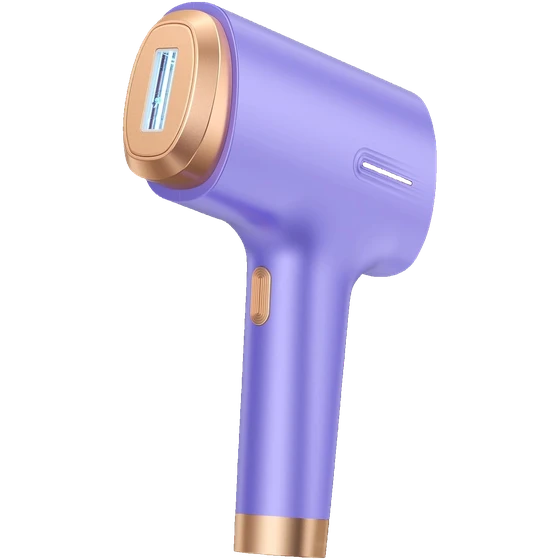
07Pro Ice Cooling Ubroo
- Technology: IPL
- Energy output: 7.0 J/cm²
- Intensity levels: 9
- Total flashes: 999,900
- Treatment window: 3.0 cm²
- Wavelength: 600–1200 nm
- Power: Corded
- Cooling: Ice_cooling
- Skin tones: Fitzpatrick I-IV
- Warranty: 12 months
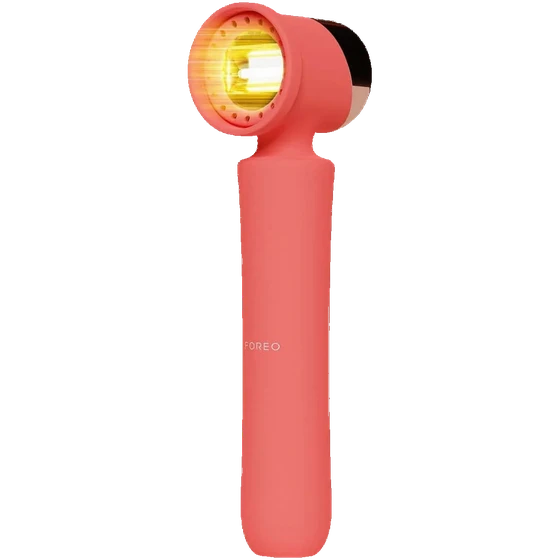
Peach 2 FOREO
- Technology: IPL
- Energy output: 7.3 J/cm²
- Intensity levels: 5
- Total flashes: 500,000
- Treatment window: 9.0 cm²
- Wavelength: 550–1100 nm
- Session time: ~10 min (full body)
- Power: Corded
- Cooling: None
- Skin tones: Fitzpatrick I-V
- Warranty: 24 months
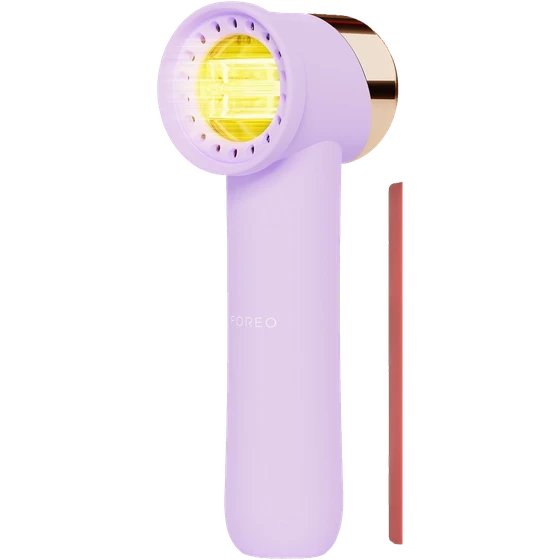
Peach 2 go FOREO
- Technology: IPL
- Energy output: 6.5 J/cm²
- Intensity levels: 5
- Total flashes: 500,000
- Treatment window: 9.0 cm²
- Wavelength: 550–1100 nm
- Session time: ~10 min (full body)
- Power: Corded
- Cooling: None
- Skin tones: Fitzpatrick I-V
- Warranty: 24 months
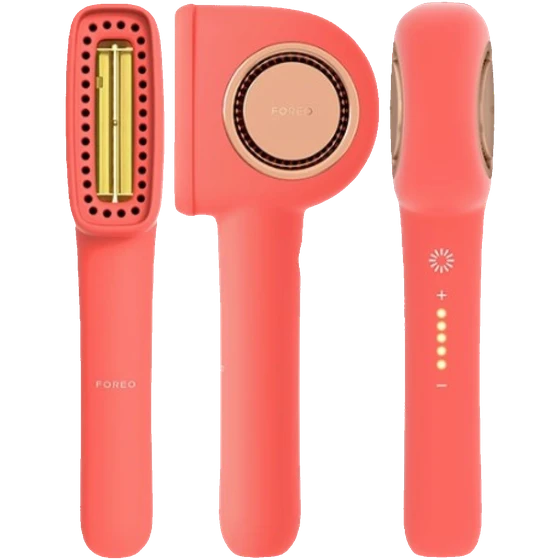
Peach 2 Pro Max FOREO
- Technology: IPL
- Energy output: 7.3 J/cm²
- Intensity levels: 5
- Total flashes: 500,000
- Treatment window: 11.5 cm²
- Wavelength: 550–1100 nm
- Session time: ~7 min (full body)
- Power: Corded
- Cooling: None
- Skin tones: Fitzpatrick I-V
- Attachments: 5 included
- Warranty: 24 months
Find and compare the best hair removal devices
From affordable IPL devices to professional-grade diode lasers, finding the right at-home hair removal device can be overwhelming. Our comparison tool lets you filter by technology, energy output, skin tone compatibility, treatment window size, and more. Compare specs side-by-side to find the best device for your skin type, your body areas, and your budget.
Frequently Asked Questions
What's the difference between IPL and laser hair removal?
The two main technologies used in at-home hair removal devices differ in how they target hair follicles:
- IPL (Intense Pulsed Light): Uses broad-spectrum light (multiple wavelengths) to target melanin in the hair. Covers a larger treatment area per flash, making it faster for large body areas. Most at-home devices use IPL technology.
- Diode Laser: Uses a single, concentrated wavelength for more precise targeting. Generally considered more effective per pulse, but has a smaller treatment window (around 1 cm²), making sessions longer. The Tria 4X is the only true at-home laser device.
- eHPL (enhanced Home Pulsed Light): A hybrid technology by Silk'n that combines optical light energy with galvanic energy to open pores before delivering light pulses, potentially improving effectiveness.
Both technologies work by targeting melanin in hair follicles. Results depend on consistent use over 8-12 weeks.
Which skin tones and hair colors are compatible?
IPL and laser devices work by targeting melanin (dark pigment) in the hair follicle. This means compatibility depends on the contrast between your skin tone and hair color:
- Best results: Light to medium skin (Fitzpatrick I-IV) with dark hair (dark blonde to black)
- Good results: Some devices now work on darker skin tones (Fitzpatrick V-VI) at lower energy levels — check the device's skin tone chart
- Not effective on: White, grey, red, or very light blonde hair — these lack enough melanin for the light to target
Most modern devices include a built-in skin tone sensor that automatically adjusts intensity for your skin type and prevents flashing if your skin is too dark for safe treatment.
How does the treatment window size affect treatment speed?
The treatment window (measured in cm²) determines how much skin area each flash covers:
- Small (1-2 cm²): Devices like the Tria 4X laser. More precise but slower — a full leg can take 30+ minutes. Better for small areas like upper lip or bikini line.
- Medium (3-4 cm²): Most IPL devices fall here. Good balance between speed and coverage. A full leg takes about 10-15 minutes.
- Large (5+ cm²): Devices like the Ulike Air 10 (6.2 cm²). Fastest treatment — full legs in under 10 minutes. Ideal for large body areas.
A larger window doesn't necessarily mean better results — it just means faster sessions. The energy output per cm² matters more for effectiveness.
What does "total flashes" mean and does it matter?
Total flashes refers to the lifetime capacity of the device's lamp before it needs replacement (if replaceable) or the device reaches end of life:
- 300,000-400,000 flashes: Standard for most devices. Enough for 10-15 years of regular use on all body areas.
- 600,000+ flashes: Extended lifetime. Effectively unlimited for personal use.
- Unlimited (rechargeable lamp): Some devices like the Tria 4X use a rechargeable laser that doesn't deplete with use.
For most users, even 300,000 flashes is more than enough for a lifetime of treatments. This shouldn't be a primary deciding factor unless you plan to share the device with multiple people.
What are the hair removal device categories?
At-home hair removal devices can be classified into three categories based on price and features:
- Budget — under $200. Basic IPL devices with fewer intensity levels, no cooling system, and smaller flash counts. Good for trying at-home hair removal before investing more.
- Mid-range — $200–$400. Solid IPL devices with skin tone sensors, multiple intensity levels, and often cooling features. Best value for most users.
- Premium — $400+. Top-tier devices with advanced technology (diode laser or eHPL), maximum energy output, multiple attachments, and app connectivity. For those who want the best results.
What are the best hair removal devices in 2026?
Currently, the best at-home hair removal devices by category are:
- Budget (under $200): Air 3 by Ulike
- Mid-range ($200–$400): Silk-expert Pro 5 by Braun
- Premium ($400+): Lumea IPL 9000 by Philips
These recommendations are based on our analysis of specifications, technology, and value within each price range.
What is the most expensive hair removal device?
The Peach 2 Pro Max from FOREO is currently the most expensive at-home hair removal device, with a listed price of $799.00. Premium devices at this price point typically feature advanced technology, higher energy output, multiple treatment attachments, and built-in skin sensors for safety.
What is the cheapest hair removal device?
The IPL Hair Removal from Oreeth is currently the most affordable at-home hair removal device, with a listed price of $66.49. Budget-friendly devices are a great way to start at-home hair removal. While they may have fewer intensity levels or attachments, they can still deliver effective results with consistent use.
Which devices have the largest treatment window?
The devices with the largest treatment windows are: the Peach 2 Pro Max by FOREO with 11.5 cm², Peach 2 by FOREO with 9.0 cm², and the Peach 2 go by FOREO with 9.0 cm².
A larger treatment window means faster sessions since each flash covers more skin area. This is especially beneficial for treating large areas like legs, back, or chest.
Which devices have the highest energy output?
The devices with the highest energy output are: the Hair Removal Laser 4X by Tria with 20.0 J/cm², Air 10 by Ulike with 19.8 J/cm², and the Peach 2 by FOREO with 7.3 J/cm².
Higher energy output (measured in J/cm²) generally means more effective hair reduction per pulse. However, higher energy also requires proper skin tone compatibility and may cause more sensation during treatment.
What is a skin tone sensor?
A skin tone sensor is a built-in safety feature that reads your skin color before each flash. It serves two purposes:
- Automatic intensity adjustment: The sensor detects your skin tone and automatically sets the optimal energy level — lighter skin receives higher intensity for better results, while darker skin gets lower intensity to prevent burns.
- Safety lock: If the sensor detects that your skin is too dark for safe treatment, it blocks the flash entirely to prevent injury.
Each brand has its own name for this technology — Braun calls it "SensoAdapt" (reads skin tone 80 times per second), Philips calls it "SenseIQ." Today, virtually all at-home IPL and laser devices include a skin tone sensor as standard.
What does wavelength (nm) mean?
Wavelength, measured in nanometers (nm), refers to the type of light emitted by the device. It determines how deep the light penetrates the skin and how effectively it targets hair follicles:
- IPL (500–1200 nm): Emits a broad spectrum of light covering many wavelengths. A built-in filter blocks wavelengths below ~500 nm (which would be harmful UV light). The broad range allows IPL to target melanin at various depths, but the energy is spread across many wavelengths.
- Diode Laser (808 nm): Emits a single, precise wavelength optimized for reaching hair follicles. This concentrated energy is generally more effective per pulse, which is why diode lasers are the standard in professional clinics.
In practice, all IPL devices share the same wavelength range (500–1200 nm), so this spec is most useful for distinguishing IPL from laser devices. The technology type and energy output (J/cm²) are more meaningful for comparing devices.
Is at-home IPL/laser hair removal safe?
At-home IPL and laser devices are generally safe when used as directed. However, there are important safety considerations:
- FDA clearance: Look for devices that are FDA-cleared for safe and effective home use. This ensures the device has passed safety testing.
- Skin tone sensor: Modern devices include automatic skin tone detection that prevents flashing if your skin is too dark for safe treatment.
- UV filter: Some devices include UV filters to block harmful ultraviolet light during treatment.
- Eye safety: Never use near eyes. Some devices are eye-safe (no glasses needed), while others require protective eyewear.
Avoid use on tattoos, moles, or irritated skin. Consult a dermatologist before starting if you have a skin condition or are taking photosensitizing medications.