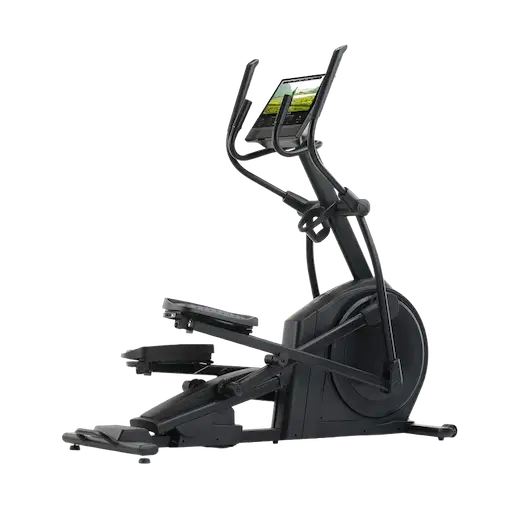
AirGlide 16 Elliptical NordicTrack
- Power source: Mains powered
- Elliptical weight: 246.0 lb
- Max user weight: 300 lb
- Console: 16-inch tilting HD touchscreen
- Stride length: 19.0"
- Resistance levels: 26
- Resistance type: Magnetic
- Connectivity: Bluetooth, WiFi, USB
- Noise level: Quiet
- Warranty: 12 months
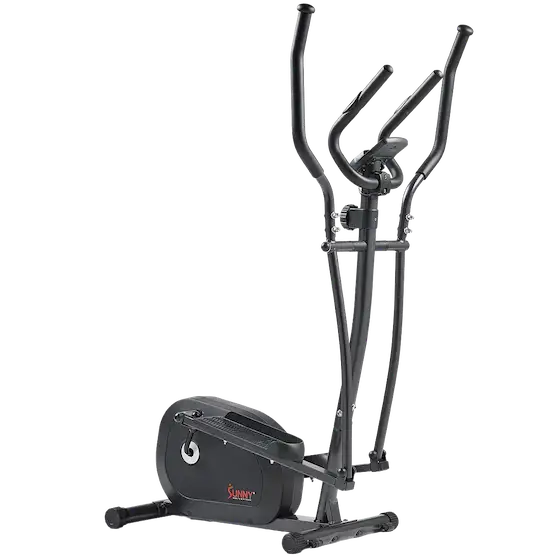
SF-E905SMART Sunny Health & Fitness
- Power source: Self-powered
- Elliptical weight: 62.8 lb
- Max user weight: 300 lb
- Console: Digital performance tracker
- Stride length: 11.0"
- Resistance levels: 16
- Resistance type: Magnetic
- Connectivity: Bluetooth
- Noise level: Quiet
- Warranty: 36 months
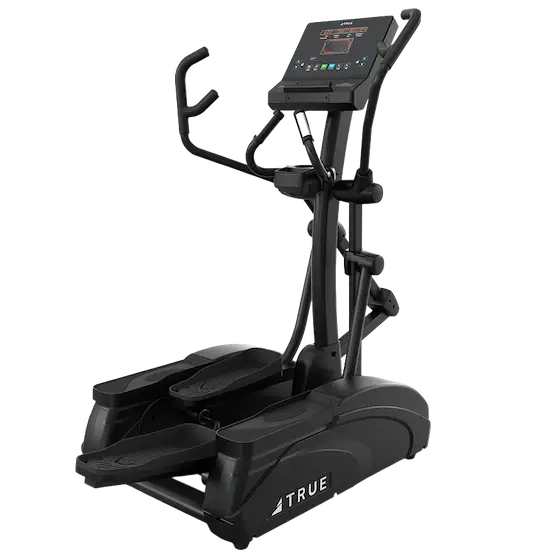
M50 TRUE Fitness
- Power source: Mains powered
- Elliptical weight: 276.0 lb
- Max user weight: 300 lb
- Console: Emerge LED console
- Stride length: 21.0"
- Resistance levels: 20
- Resistance type: Electromagnetic
- Workout programs: 12
- Connectivity: None
- Noise level: Very quiet
- Warranty: 60 months
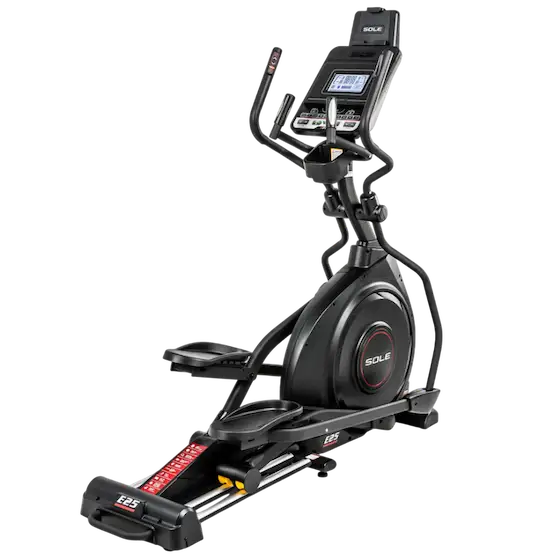
E25 Sole
- Power source: Mains powered
- Elliptical weight: 209.0 lb
- Max user weight: 350 lb
- Console: 6.5-inch LCD display
- Stride length: 20.0"
- Resistance levels: 20
- Resistance type: Magnetic
- Workout programs: 10
- Connectivity: Bluetooth, USB
- Noise level: Quiet
- Warranty: 36 months
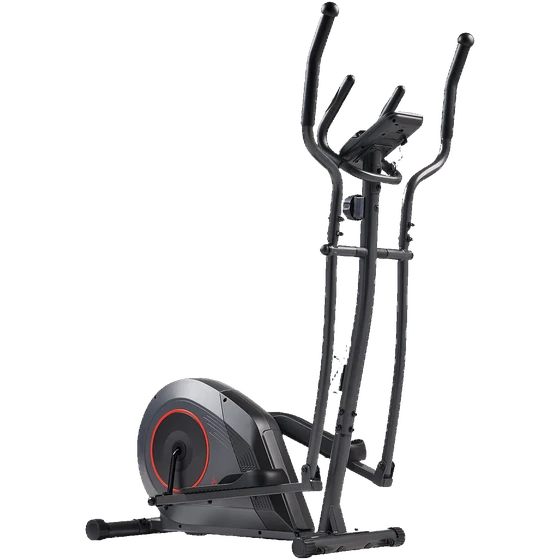
Corezy SF-E324005 Sunny Health & Fitness
- Power source: Mains powered
- Elliptical weight: 62.0 lb
- Max user weight: 300 lb
- Console: LCD display
- Stride length: 12.0"
- Resistance levels: 16
- Resistance type: Magnetic
- Connectivity: None
- Noise level: Quiet
- Warranty: 36 months
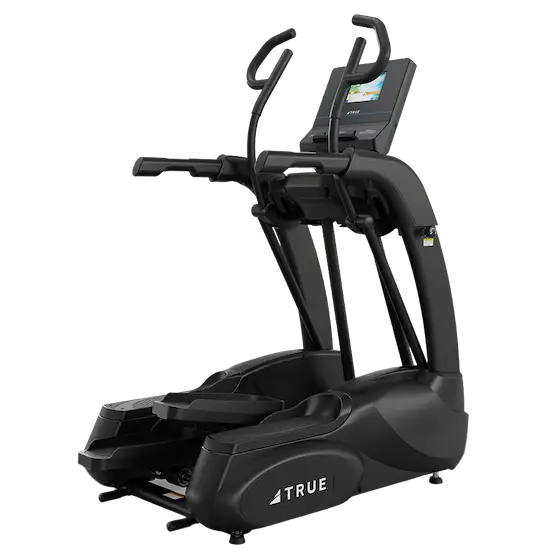
Performance Series TRUE Fitness
- Power source: Mains powered
- Elliptical weight: 272.0 lb
- Max user weight: 350 lb
- Console: 9-inch touchscreen or Emerge PS LED
- Stride length: 27.0"
- Resistance levels: 20
- Resistance type: Electromagnetic
- Workout programs: 36
- Connectivity: Bluetooth
- Noise level: Very quiet
- Warranty: 84 months
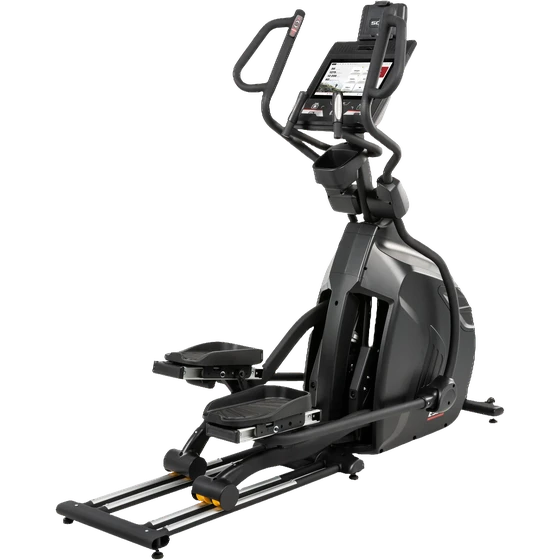
E95S Sole
- Power source: Mains powered
- Elliptical weight: 265.0 lb
- Max user weight: 400 lb
- Console: 13.3-inch touchscreen
- Stride length: 24.0"
- Resistance levels: 20
- Resistance type: Magnetic
- Workout programs: 12
- Connectivity: Bluetooth, WiFi, USB
- Noise level: Quiet
- Warranty: 36 months
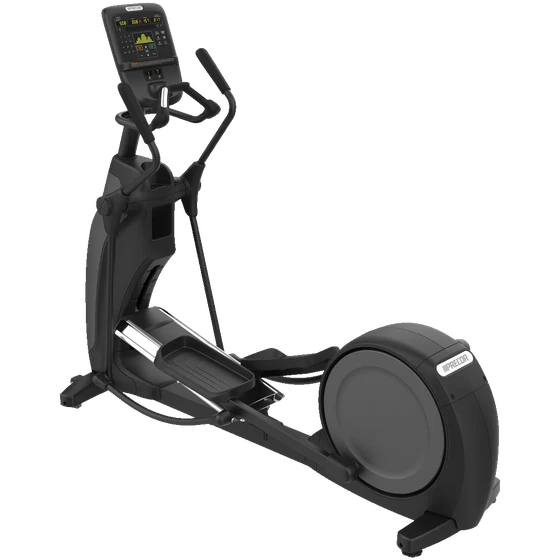
EFX 635 Precor
- Power source: Self-powered
- Elliptical weight: 308.0 lb
- Max user weight: 350 lb
- Console: P31 LED console
- Stride length: 24.5"
- Resistance levels: 20
- Resistance type: Electromagnetic
- Workout programs: 15
- Connectivity: USB
- Noise level: Very quiet
- Warranty: 120 months
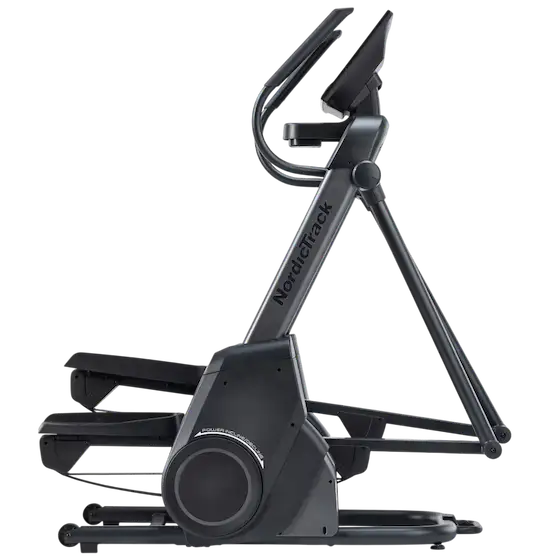
X16 NordicTrack
- Power source: Mains powered
- Elliptical weight: 289.0 lb
- Max user weight: 375 lb
- Console: 16-inch HD tilting touchscreen
- Stride length: 32.0"
- Resistance levels: 26
- Resistance type: Magnetic
- Connectivity: Bluetooth, WiFi, USB
- Noise level: Quiet
- Warranty: 120 months
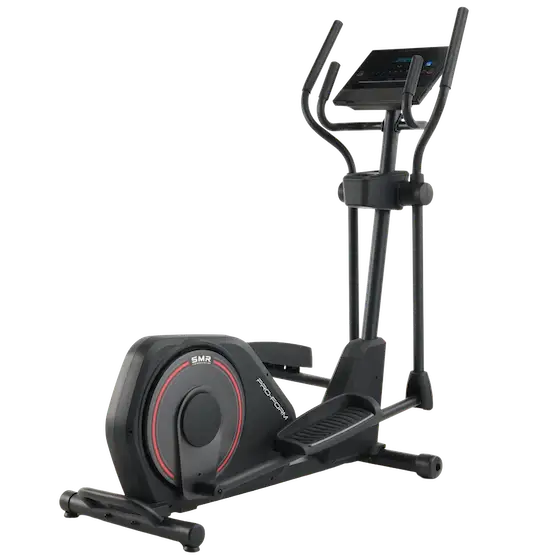
Sport Elliptical ProForm
- Power source: Mains powered
- Elliptical weight: 135.0 lb
- Max user weight: 250 lb
- Console: 5-inch LCD display
- Stride length: 16.0"
- Resistance levels: 20
- Resistance type: Magnetic
- Connectivity: Bluetooth
- Noise level: Quiet
- Warranty: 60 months
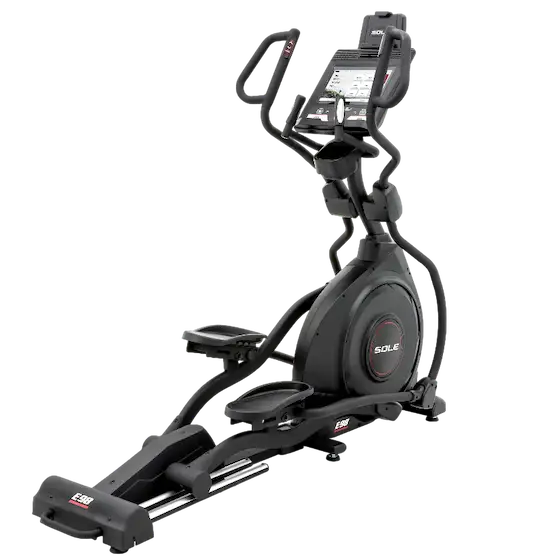
E98 Sole
- Power source: Mains powered
- Elliptical weight: 246.0 lb
- Max user weight: 400 lb
- Console: 13.3-inch touchscreen
- Stride length: 20.0"
- Resistance levels: 20
- Resistance type: Magnetic
- Workout programs: 10
- Connectivity: Bluetooth, WiFi, USB
- Noise level: Very quiet
- Warranty: 36 months
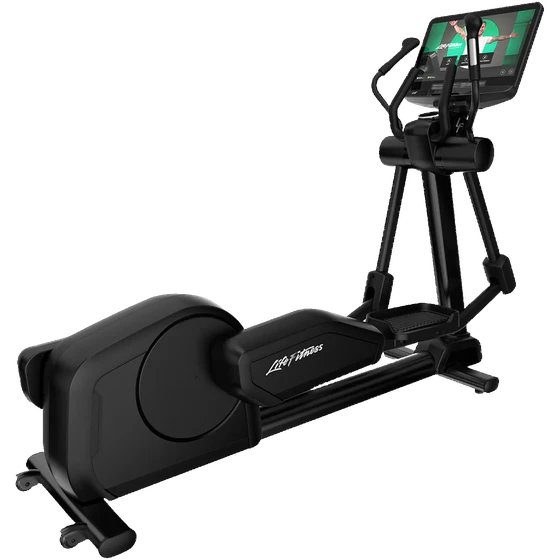
Club Series+ Life Fitness
- Power source: Mains powered
- Elliptical weight: 301.0 lb
- Max user weight: 400 lb
- Console: SL LED console or 24-inch SE4 touchscreen
- Stride length: 20.0"
- Resistance levels: 25
- Resistance type: Electromagnetic
- Connectivity: None
- Noise level: Very quiet
- Warranty: 36 months
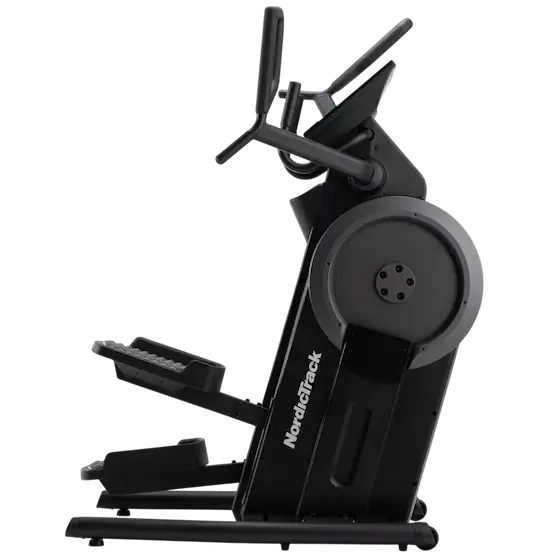
Step Climber XL NordicTrack
- Power source: Mains powered
- Elliptical weight: 222.6 lb
- Max user weight: 375 lb
- Console: 16-inch HD tilting touchscreen
- Resistance levels: 22
- Resistance type: Magnetic
- Connectivity: Bluetooth, WiFi, USB
- Noise level: Quiet
- Warranty: 60 months
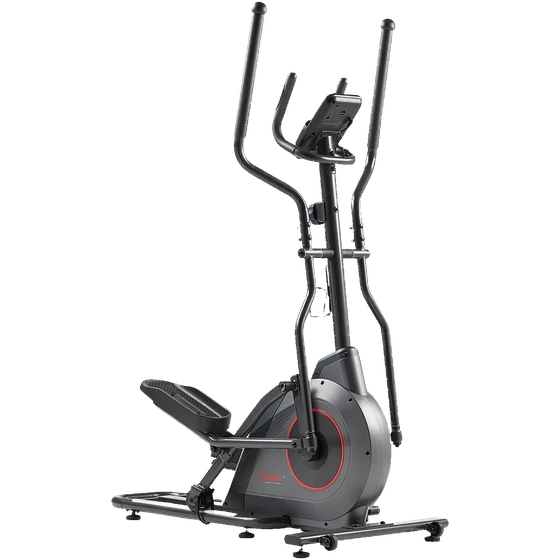
Pro SF-E323038 Sunny Health & Fitness
- Power source: Mains powered
- Elliptical weight: 95.0 lb
- Max user weight: 300 lb
- Console: LCD display
- Stride length: 16.0"
- Resistance levels: 16
- Resistance type: Magnetic
- Connectivity: None
- Noise level: Quiet
- Warranty: 36 months
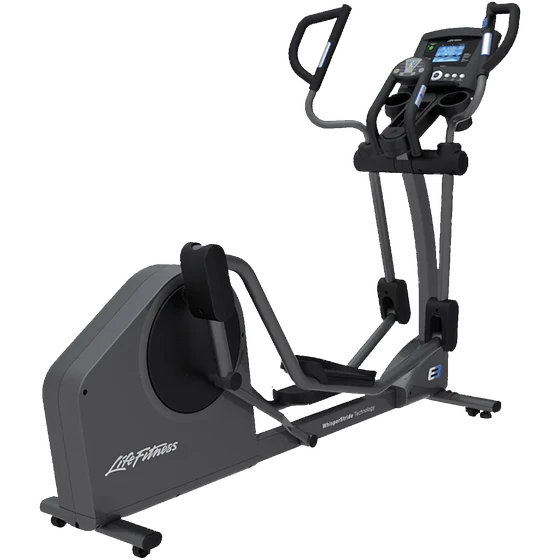
E3 Life Fitness
- Power source: Mains powered
- Elliptical weight: 225.0 lb
- Max user weight: 400 lb
- Console: Go Console or Track Connect 2.0
- Stride length: 20.0"
- Resistance levels: 20
- Resistance type: Electromagnetic
- Connectivity: None
- Noise level: Very quiet
- Warranty: 60 months
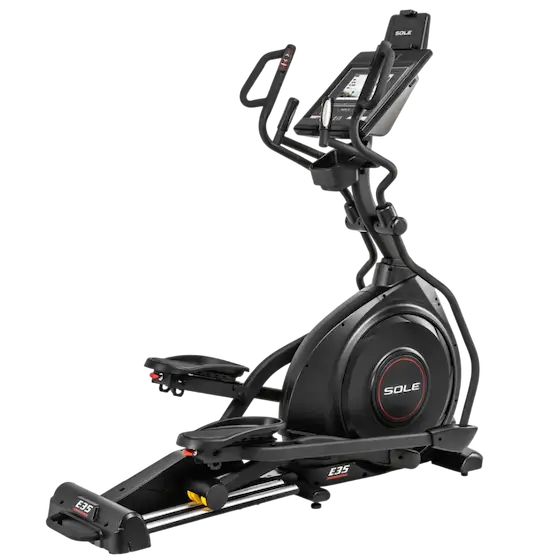
E35 Sole
- Power source: Mains powered
- Elliptical weight: 211.0 lb
- Max user weight: 350 lb
- Console: 10.1-inch HD touchscreen
- Stride length: 20.0"
- Resistance levels: 20
- Resistance type: Magnetic
- Workout programs: 10
- Connectivity: Bluetooth, WiFi, USB
- Noise level: Quiet
- Warranty: 36 months
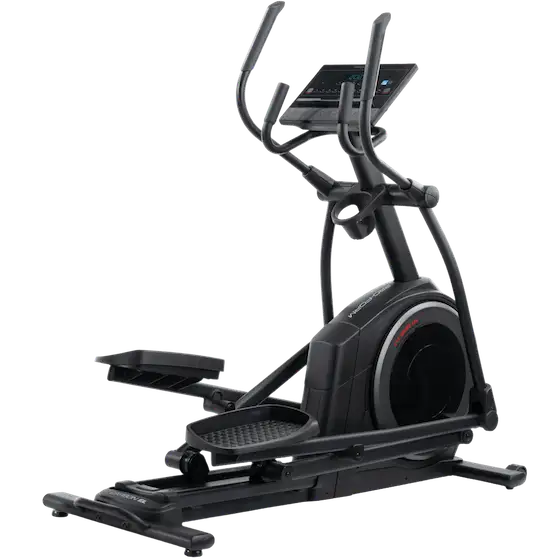
Carbon EL ProForm
- Power source: Mains powered
- Elliptical weight: 205.0 lb
- Max user weight: 275 lb
- Console: 5-inch display
- Stride length: 18.0"
- Resistance levels: 20
- Resistance type: Magnetic
- Connectivity: Bluetooth
- Noise level: Quiet
- Warranty: 120 months
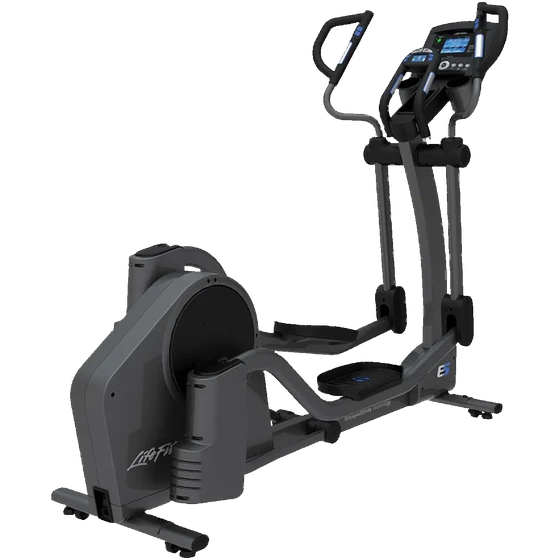
E5 Life Fitness
- Power source: Mains powered
- Elliptical weight: 251.0 lb
- Max user weight: 400 lb
- Console: Go Console or Track Connect 2.0
- Stride length: 24.0"
- Resistance levels: 20
- Resistance type: Electromagnetic
- Connectivity: None
- Noise level: Very quiet
- Warranty: 60 months
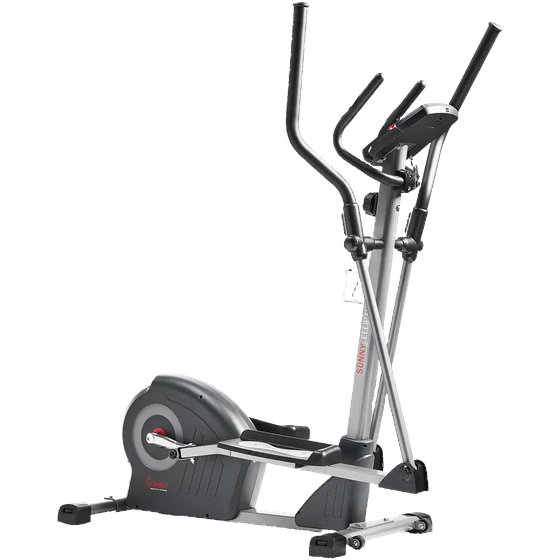
Elite SF-E320047 Sunny Health & Fitness
- Power source: Mains powered
- Elliptical weight: 90.0 lb
- Max user weight: 275 lb
- Console: LCD display
- Stride length: 13.5"
- Resistance levels: 12
- Resistance type: Magnetic
- Connectivity: None
- Noise level: Quiet
- Warranty: 36 months
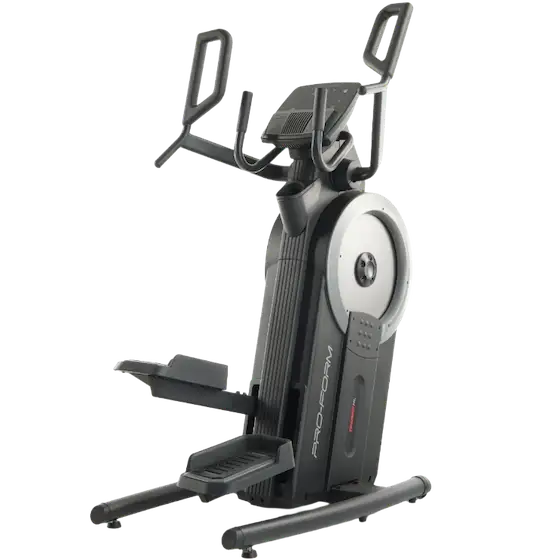
Trainer HL HIIT ProForm
- Power source: Mains powered
- Elliptical weight: 210.0 lb
- Max user weight: 325 lb
- Console: 5-inch display
- Resistance levels: 20
- Resistance type: Magnetic
- Connectivity: Bluetooth
- Noise level: Quiet
- Warranty: 60 months
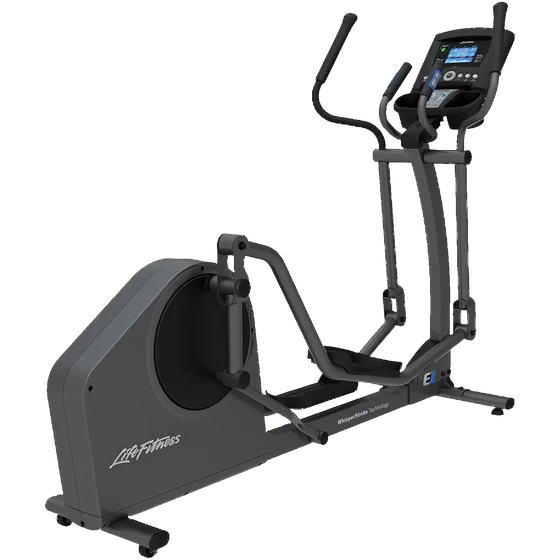
E1 Life Fitness
- Power source: Mains powered
- Elliptical weight: 211.0 lb
- Max user weight: 400 lb
- Console: Go Console or Track Connect 2.0
- Stride length: 20.0"
- Resistance levels: 20
- Resistance type: Electromagnetic
- Connectivity: None
- Noise level: Very quiet
- Warranty: 60 months
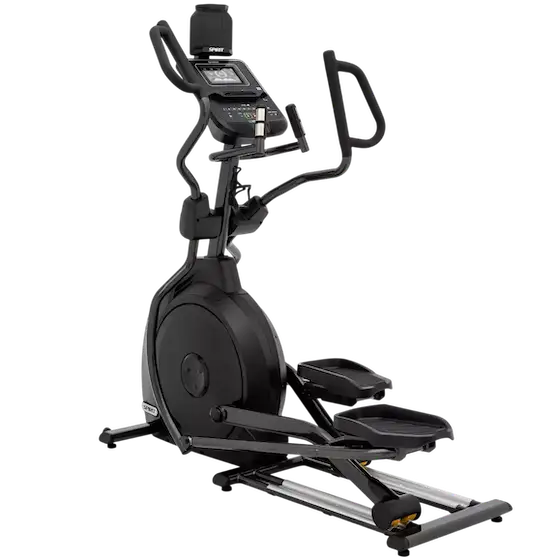
XE795 Spirit Fitness
- Power source: Self-powered
- Elliptical weight: 227.0 lb
- Max user weight: 400 lb
- Console: 7.5-inch backlit multi-color LCD
- Stride length: 20.0"
- Resistance levels: 40
- Resistance type: Electromagnetic
- Workout programs: 16
- Connectivity: Bluetooth, USB
- Noise level: Very quiet
- Warranty: 120 months
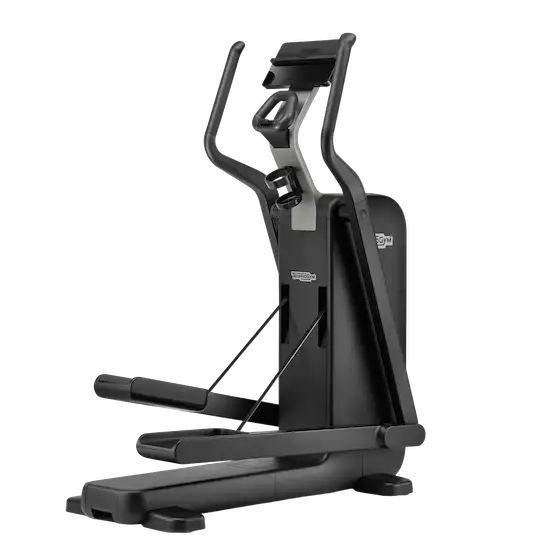
Elliptical Technogym
- Power source: Self-powered
- Elliptical weight: 176.0 lb
- Max user weight: 330 lb
- Console: LED display
- Stride length: 18.0"
- Resistance levels: 20
- Resistance type: Electromagnetic
- Connectivity: Bluetooth
- Noise level: Very quiet
- Warranty: 24 months
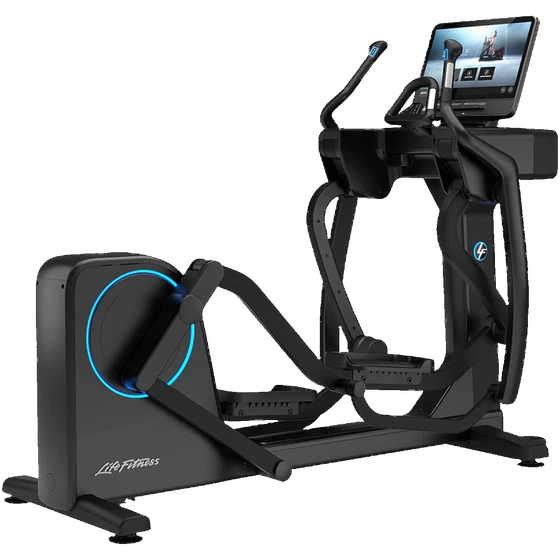
Symbio Incline Life Fitness
- Power source: Mains powered
- Elliptical weight: 450.0 lb
- Max user weight: 400 lb
- Console: 24-inch HD touchscreen
- Stride length: 22.0"
- Resistance levels: 26
- Resistance type: Electromagnetic
- Connectivity: Bluetooth, WiFi
- Noise level: Very quiet
- Warranty: 36 months
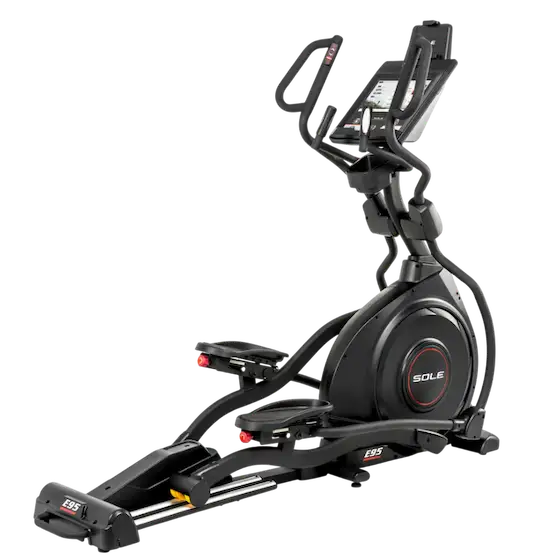
E95 Sole
- Power source: Mains powered
- Elliptical weight: 242.0 lb
- Max user weight: 400 lb
- Console: 13.3-inch touchscreen
- Stride length: 20.0"
- Resistance levels: 20
- Resistance type: Electromagnetic
- Workout programs: 10
- Connectivity: Bluetooth, WiFi, USB
- Noise level: Quiet
- Warranty: 36 months
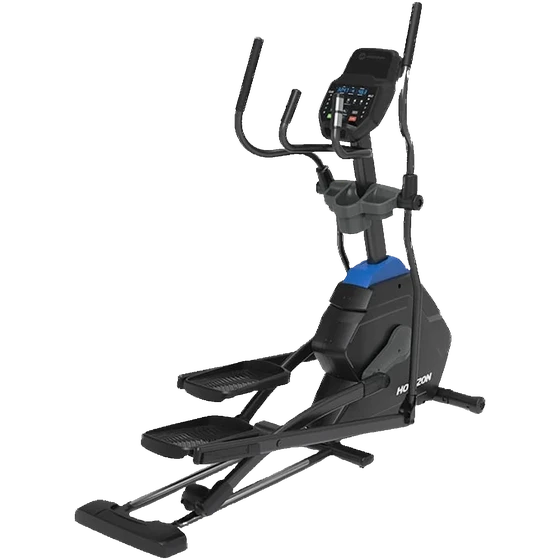
EX-59 Horizon
- Power source: Mains powered
- Elliptical weight: 145.0 lb
- Max user weight: 300 lb
- Console: 4.5-inch LCD display
- Stride length: 18.0"
- Resistance levels: 10
- Resistance type: Magnetic
- Workout programs: 5
- Connectivity: Bluetooth, USB
- Noise level: Quiet
- Warranty: 600 months
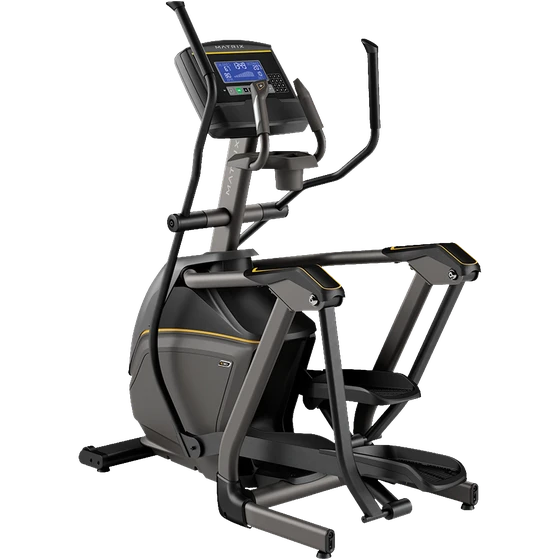
E30 Matrix
- Power source: Mains powered
- Elliptical weight: 322.0 lb
- Max user weight: 325 lb
- Console: XR 8.5-inch LCD (upgradeable)
- Stride length: 20.0"
- Resistance levels: 20
- Resistance type: Magnetic
- Workout programs: 10
- Connectivity: Bluetooth, USB
- Noise level: Very quiet
- Warranty: 60 months
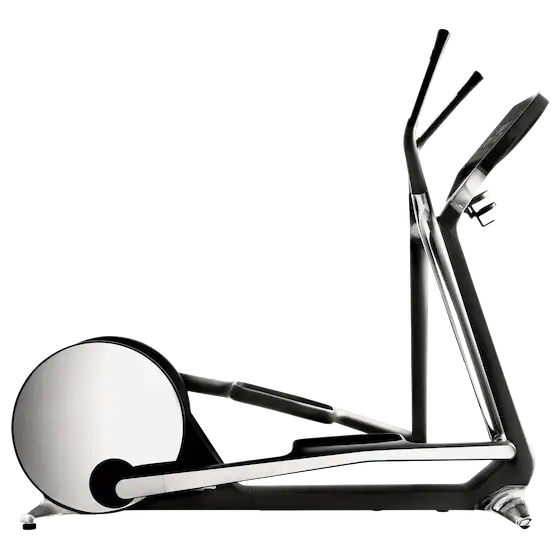
Cross Personal Technogym
- Power source: Self-powered
- Elliptical weight: 320.0 lb
- Max user weight: 352 lb
- Console: 15.6-inch HD touchscreen
- Stride length: 20.0"
- Resistance levels: 25
- Resistance type: Electromagnetic
- Connectivity: Bluetooth, WiFi, USB
- Noise level: Very quiet
- Warranty: 24 months
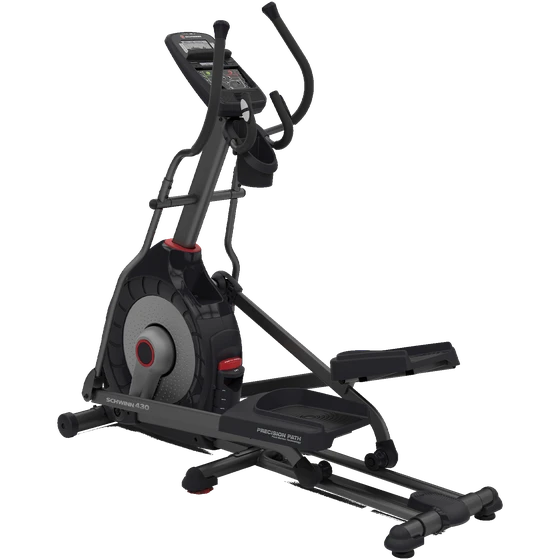
430 Schwinn
- Power source: Mains powered
- Elliptical weight: 168.7 lb
- Max user weight: 300 lb
- Console: DualTrack 2 LCD screen system
- Stride length: 20.0"
- Resistance levels: 20
- Resistance type: Magnetic
- Workout programs: 22
- Connectivity: USB
- Noise level: Quiet
- Warranty: 120 months
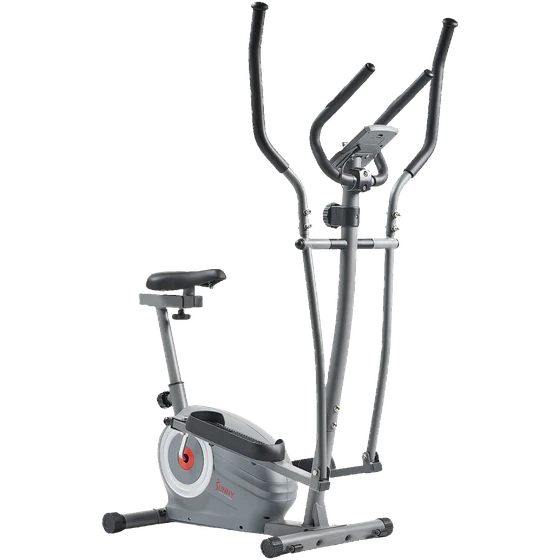
SF-E322004 Sunny Health & Fitness
- Power source: Mains powered
- Elliptical weight: 33.0 lb
- Max user weight: 220 lb
- Console: LCD display
- Resistance levels: 8
- Resistance type: Magnetic
- Connectivity: None
- Noise level: Quiet
- Warranty: 36 months
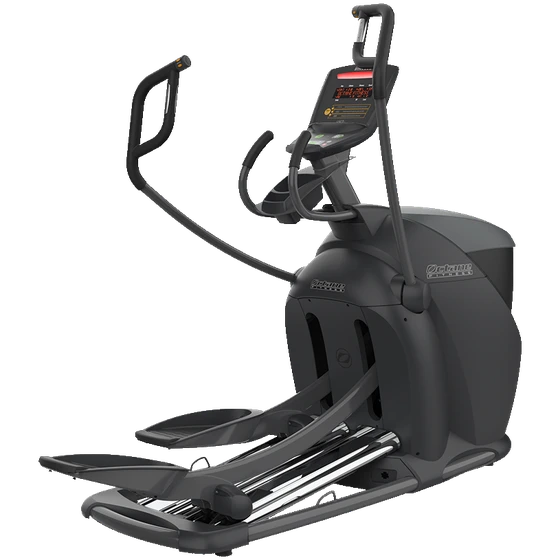
Q47x Octane Fitness
- Power source: Mains powered
- Elliptical weight: 290.0 lb
- Max user weight: 300 lb
- Console: Standard LCD console
- Stride length: 26.0"
- Resistance levels: 20
- Resistance type: Magnetic
- Workout programs: 10
- Connectivity: Bluetooth
- Noise level: Very quiet
- Warranty: 60 months
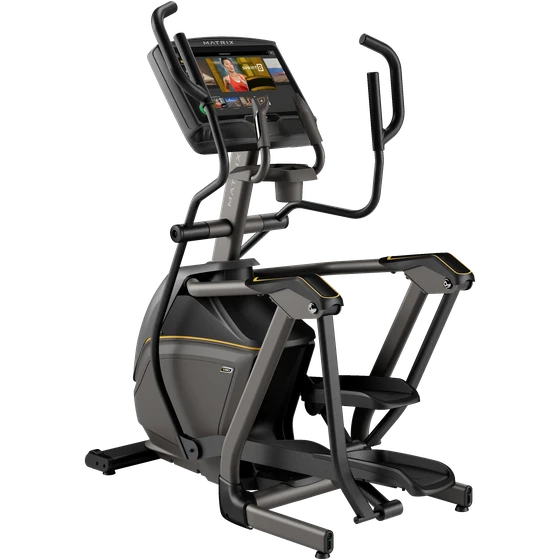
E50 Matrix
- Power source: Mains powered
- Elliptical weight: 293.0 lb
- Max user weight: 325 lb
- Console: XR 8.5-inch LCD (upgradeable)
- Stride length: 20.0"
- Resistance levels: 30
- Resistance type: Electromagnetic
- Workout programs: 10
- Connectivity: Bluetooth, USB
- Noise level: Very quiet
- Warranty: 84 months
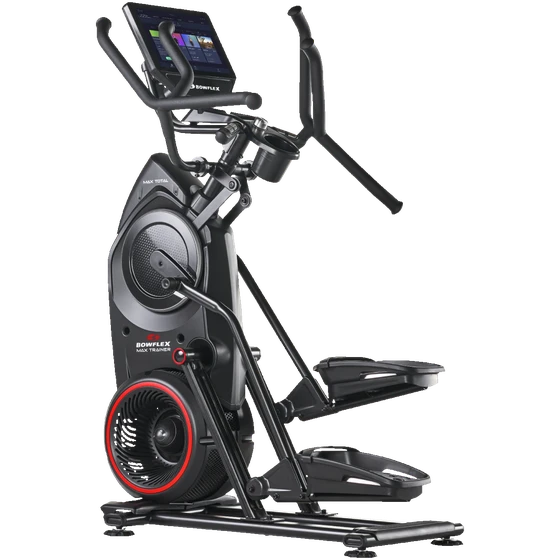
Max Total 16 Bowflex
- Power source: Mains powered
- Elliptical weight: 155.4 lb
- Max user weight: 300 lb
- Console: 16-inch HD touchscreen
- Resistance levels: 20
- Resistance type: Magnetic
- Connectivity: Bluetooth, WiFi
- Noise level: Quiet
- Warranty: 36 months
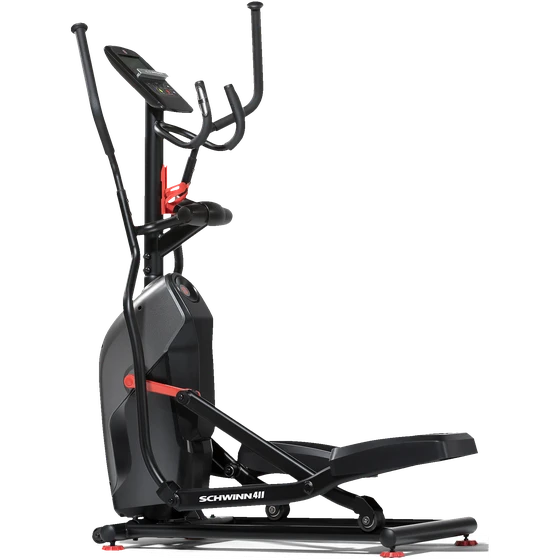
411 Schwinn
- Power source: Mains powered
- Elliptical weight: 100.0 lb
- Max user weight: 300 lb
- Console: LCD console
- Stride length: 18.0"
- Resistance levels: 16
- Resistance type: Magnetic
- Connectivity: None
- Noise level: Quiet
- Warranty: 120 months
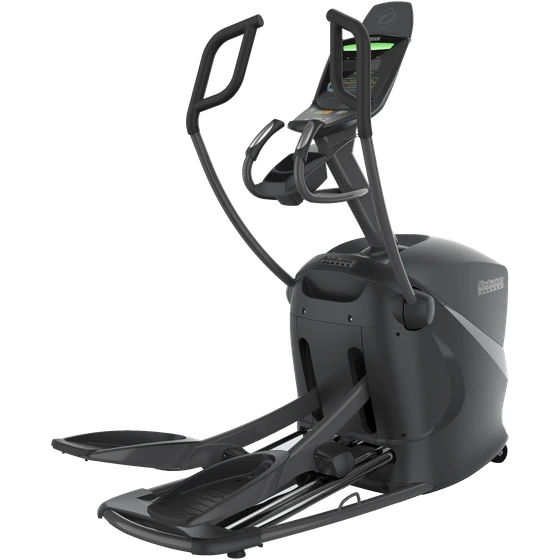
Q37xi Octane Fitness
- Power source: Mains powered
- Elliptical weight: 220.0 lb
- Max user weight: 300 lb
- Console: Advanced xi console with SmartLight
- Stride length: 20.5"
- Resistance levels: 20
- Resistance type: Magnetic
- Workout programs: 10
- Connectivity: Bluetooth
- Noise level: Very quiet
- Warranty: 60 months
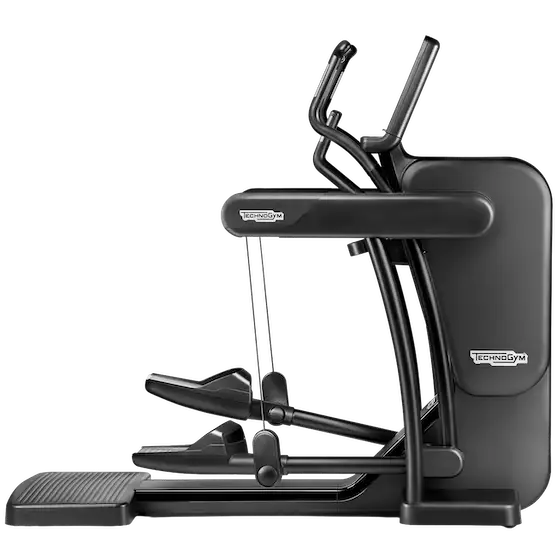
Artis Vario Technogym
- Power source: Self-powered
- Elliptical weight: 441.0 lb
- Max user weight: 352 lb
- Console: 15.6-inch touchscreen LCD Unity console
- Stride length: 33.0"
- Resistance levels: 25
- Resistance type: Electromagnetic
- Workout programs: 18
- Connectivity: Bluetooth, WiFi, USB
- Noise level: Very quiet
- Warranty: 24 months
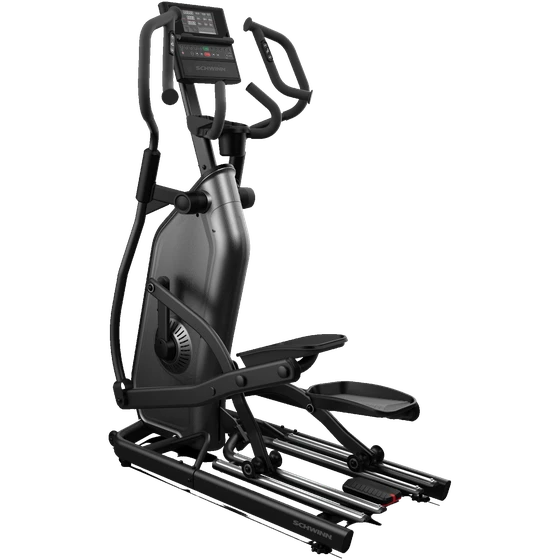
490 Schwinn
- Power source: Mains powered
- Elliptical weight: 187.0 lb
- Max user weight: 330 lb
- Console: 7-inch color LCD display
- Stride length: 20.0"
- Resistance levels: 25
- Resistance type: Magnetic
- Connectivity: Bluetooth
- Noise level: Quiet
- Warranty: 120 months
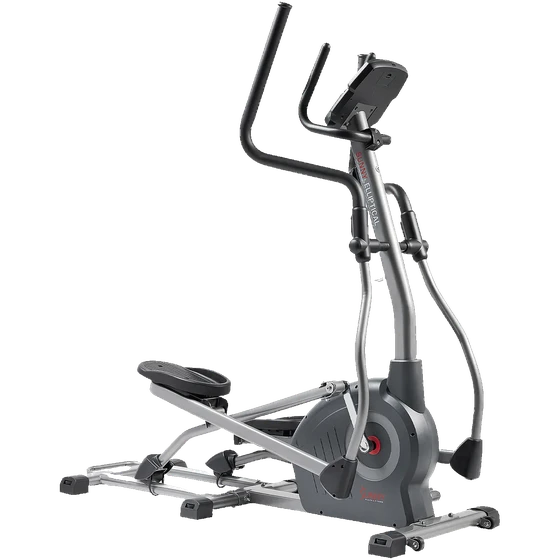
Elite SF-E320048 Sunny Health & Fitness
- Power source: Mains powered
- Elliptical weight: 105.0 lb
- Max user weight: 300 lb
- Console: LCD display
- Stride length: 15.8"
- Resistance levels: 12
- Resistance type: Magnetic
- Connectivity: None
- Noise level: Quiet
- Warranty: 36 months
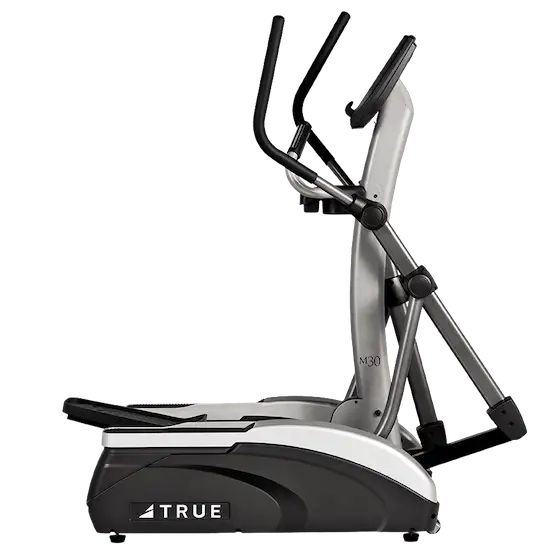
M30 TRUE Fitness
- Power source: Mains powered
- Elliptical weight: 275.0 lb
- Max user weight: 300 lb
- Console: LED console
- Stride length: 21.0"
- Resistance levels: 20
- Resistance type: Electromagnetic
- Workout programs: 12
- Connectivity: None
- Noise level: Very quiet
- Warranty: 60 months
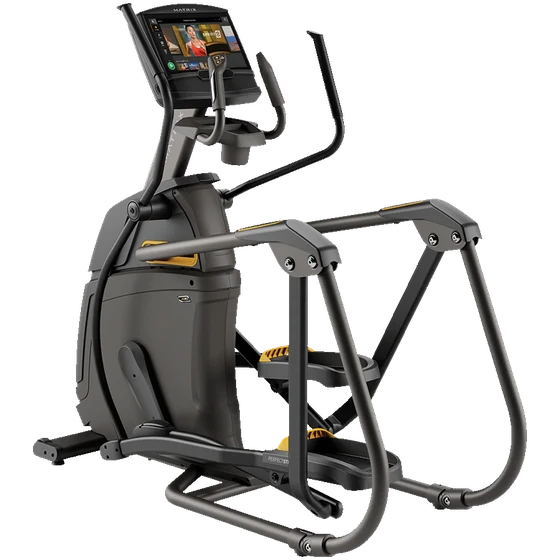
A30 Matrix
- Power source: Mains powered
- Elliptical weight: 322.0 lb
- Max user weight: 350 lb
- Console: XR 8.5-inch LCD (upgradeable)
- Stride length: 24.0"
- Resistance levels: 20
- Resistance type: Magnetic
- Workout programs: 10
- Connectivity: Bluetooth, USB
- Noise level: Very quiet
- Warranty: 84 months
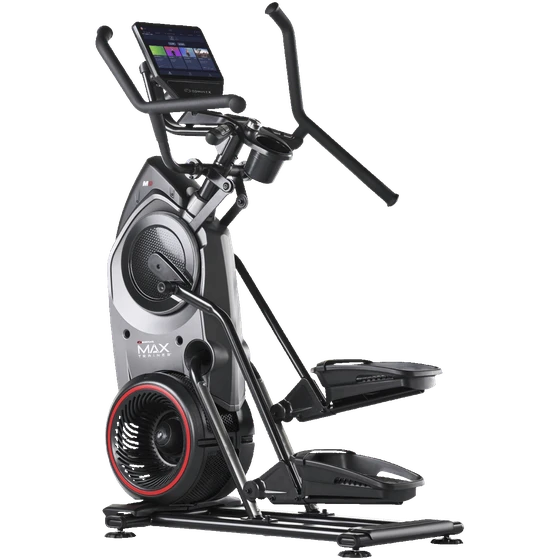
Max Trainer M9 Bowflex
- Power source: Mains powered
- Elliptical weight: 148.8 lb
- Max user weight: 300 lb
- Console: 10-inch adjustable HD touchscreen
- Resistance levels: 20
- Resistance type: Magnetic
- Connectivity: Bluetooth, WiFi
- Noise level: Quiet
- Warranty: 36 months
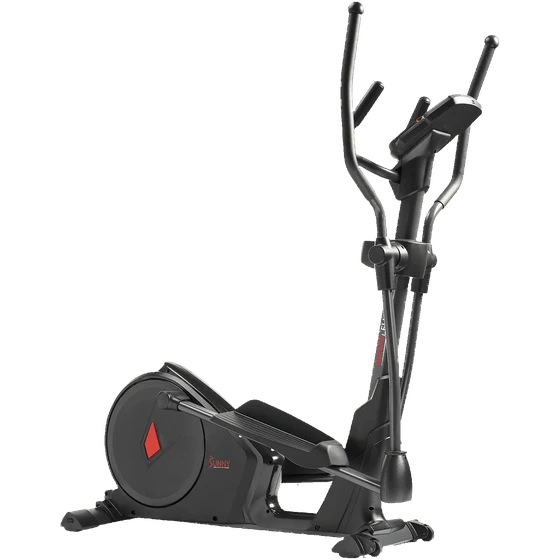
Smart SF-E3912 Sunny Health & Fitness
- Power source: Mains powered
- Elliptical weight: 105.0 lb
- Max user weight: 330 lb
- Console: Backlit LCD display
- Stride length: 15.5"
- Resistance levels: 16
- Resistance type: Electromagnetic
- Workout programs: 24
- Connectivity: None
- Noise level: Quiet
- Warranty: 36 months
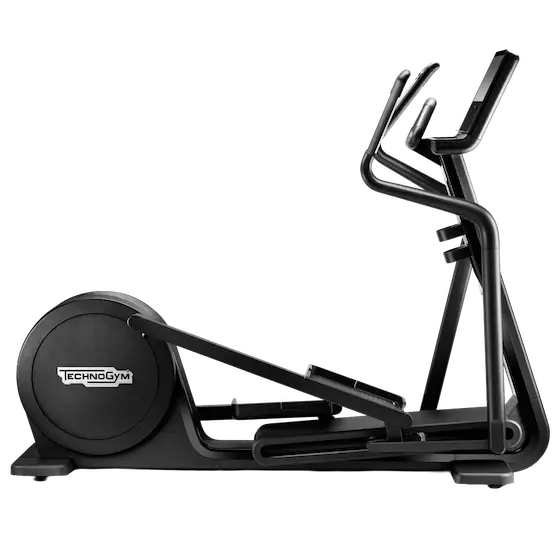
Artis Synchro Technogym
- Power source: Self-powered
- Elliptical weight: 395.0 lb
- Max user weight: 350 lb
- Console: 15.6-inch HD Live touchscreen console
- Stride length: 26.0"
- Resistance levels: 25
- Resistance type: Electromagnetic
- Connectivity: Bluetooth, WiFi, USB
- Noise level: Very quiet
- Warranty: 24 months
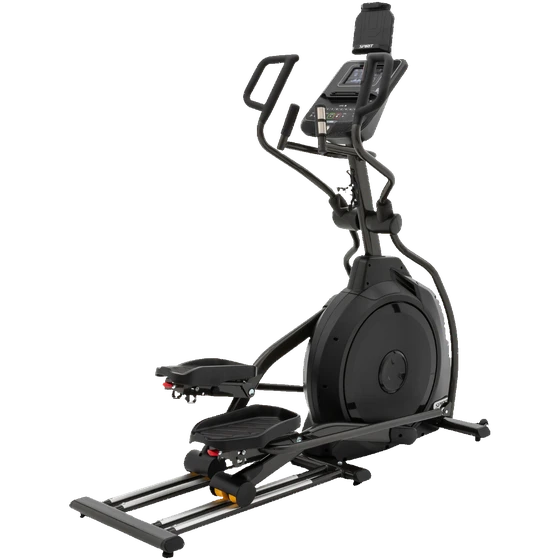
XE295 Spirit Fitness
- Power source: Mains powered
- Elliptical weight: 198.0 lb
- Max user weight: 400 lb
- Console: 7.5-inch backlit multi-color LCD
- Stride length: 20.0"
- Resistance levels: 20
- Resistance type: Magnetic
- Workout programs: 16
- Connectivity: Bluetooth, USB
- Noise level: Quiet
- Warranty: 120 months
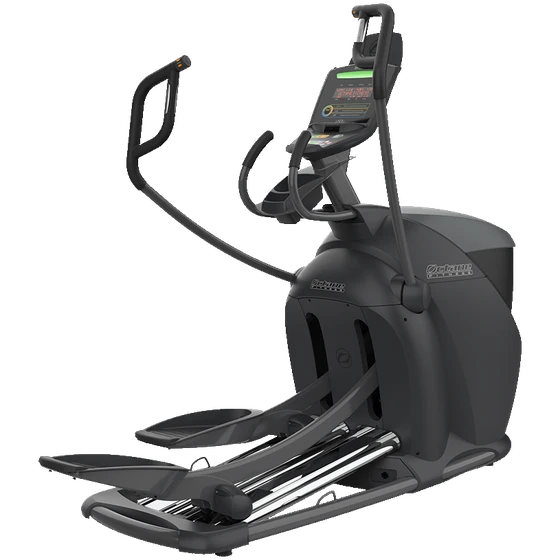
Q47xi Octane Fitness
- Power source: Mains powered
- Elliptical weight: 290.0 lb
- Max user weight: 300 lb
- Console: Advanced xi console with SmartLight
- Stride length: 26.0"
- Resistance levels: 20
- Resistance type: Magnetic
- Workout programs: 14
- Connectivity: Bluetooth
- Noise level: Very quiet
- Warranty: 60 months
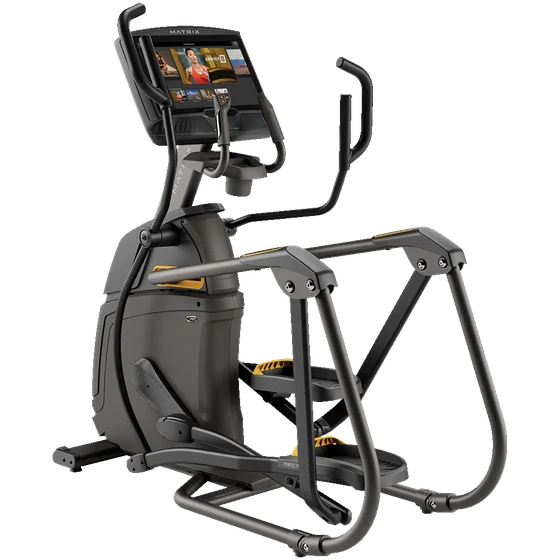
A50 Matrix
- Power source: Mains powered
- Elliptical weight: 318.0 lb
- Max user weight: 350 lb
- Console: XR 8.5-inch LCD (upgradeable)
- Stride length: 24.0"
- Resistance levels: 30
- Resistance type: Electromagnetic
- Workout programs: 10
- Connectivity: Bluetooth, USB
- Noise level: Very quiet
- Warranty: 60 months
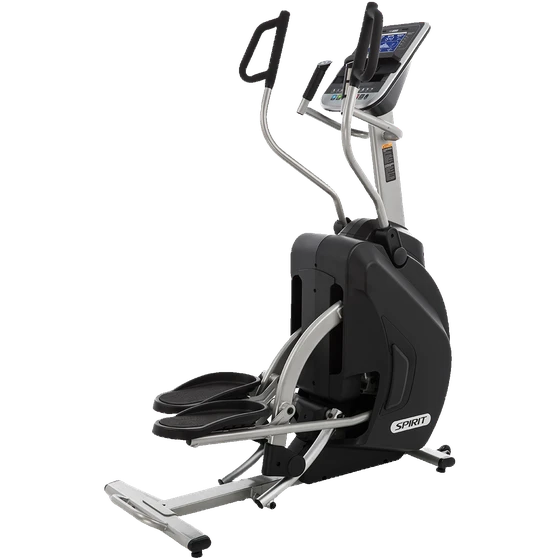
XS895 Spirit Fitness
- Power source: Mains powered
- Elliptical weight: 205.0 lb
- Max user weight: 400 lb
- Console: 7.5-inch blue backlit LCD
- Resistance levels: 20
- Resistance type: Magnetic
- Workout programs: 10
- Connectivity: Bluetooth
- Noise level: Quiet
- Warranty: 120 months
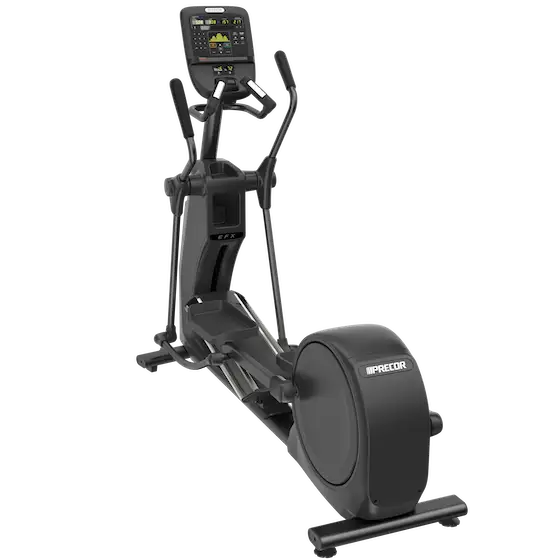
EFX 585 Precor
- Power source: Mains powered
- Elliptical weight: 291.0 lb
- Max user weight: 350 lb
- Console: 16-inch LCD touchscreen (P84)
- Stride length: 24.5"
- Resistance levels: 20
- Resistance type: Electromagnetic
- Workout programs: 16
- Connectivity: Bluetooth, USB
- Noise level: Very quiet
- Warranty: 120 months
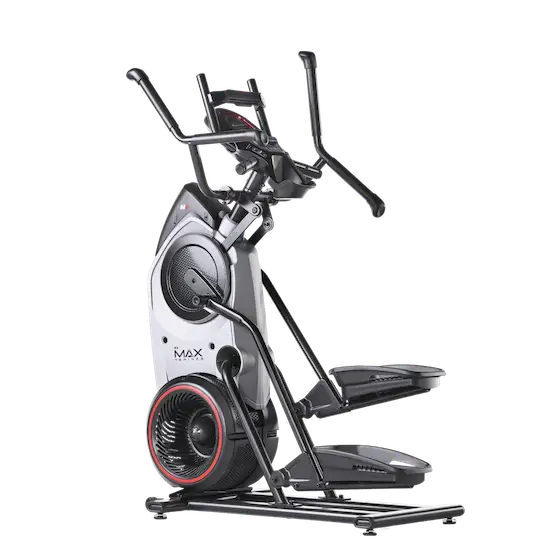
Max Trainer M6 Bowflex
- Power source: Self-powered
- Elliptical weight: 136.0 lb
- Max user weight: 300 lb
- Console: Backlit LCD display
- Resistance levels: 16
- Resistance type: Magnetic
- Connectivity: Bluetooth, USB
- Noise level: Quiet
- Warranty: 24 months
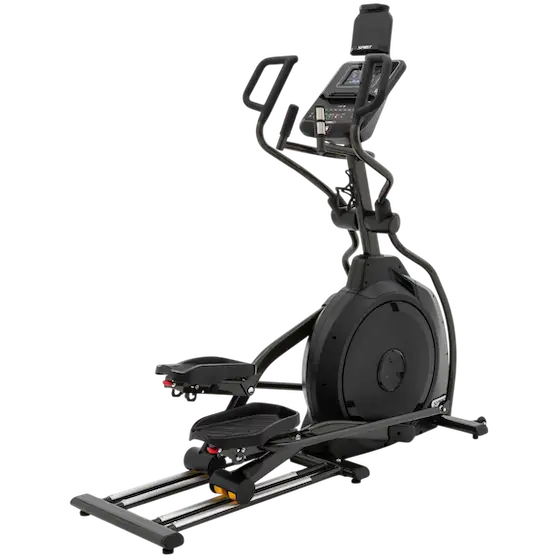
XE395 Spirit Fitness
- Power source: Mains powered
- Elliptical weight: 216.0 lb
- Max user weight: 400 lb
- Console: 7.5-inch black backlit multi-color LCD
- Stride length: 20.0"
- Resistance levels: 20
- Resistance type: Magnetic
- Workout programs: 16
- Connectivity: Bluetooth, USB
- Noise level: Quiet
- Warranty: 120 months
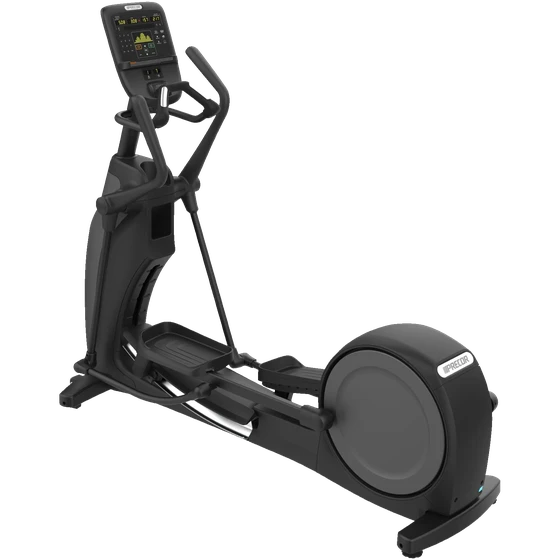
EFX 835 Precor
- Power source: Self-powered
- Elliptical weight: 340.0 lb
- Max user weight: 350 lb
- Console: P31 LED console
- Stride length: 25.0"
- Resistance levels: 20
- Resistance type: Electromagnetic
- Workout programs: 15
- Connectivity: USB
- Noise level: Very quiet
- Warranty: 120 months

EFX 535 Precor
- Power source: Self-powered
- Elliptical weight: 281.0 lb
- Max user weight: 350 lb
- Console: P31 LED console
- Stride length: 24.5"
- Resistance levels: 20
- Resistance type: Electromagnetic
- Workout programs: 15
- Connectivity: USB
- Noise level: Very quiet
- Warranty: 12 months
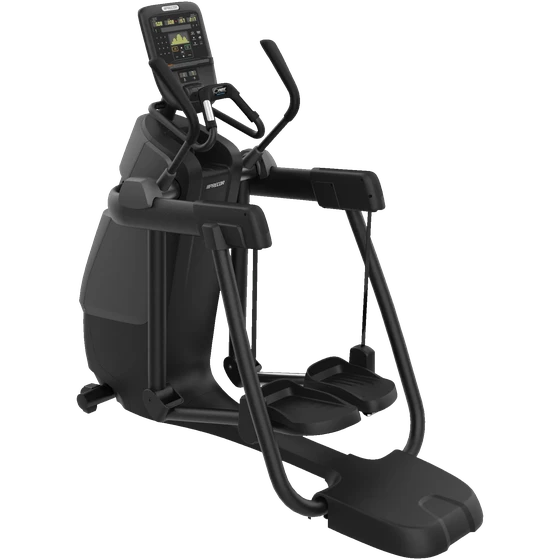
AMT 835 Precor
- Power source: Self-powered
- Elliptical weight: 412.0 lb
- Max user weight: 350 lb
- Console: P31 LED console
- Stride length: 36.0"
- Resistance levels: 20
- Resistance type: Electromagnetic
- Workout programs: 6
- Connectivity: USB
- Noise level: Very quiet
- Warranty: 120 months
Find and compare the best elliptical machines
With so many elliptical machines available, finding the right one can feel overwhelming. Stride length, flywheel weight, resistance type, noise level — there's a lot to consider. Our elliptical comparison tool makes it simple. Filter by the specs that matter most and compare top models side-by-side to find the best elliptical machine for your home gym, your budget, and your fitness goals.
Frequently Asked Questions
What's the difference between magnetic and electromagnetic resistance on an elliptical?
Magnetic resistance uses permanent magnets that move closer or farther from the flywheel to adjust intensity. You typically control it manually with a dial or lever. It's affordable and requires little maintenance.
Electromagnetic resistance uses an electric current to generate the magnetic field, allowing for precise, motorized adjustments. Since there are no moving parts, it operates more quietly and smoothly. This system also enables preset programs, automatic resistance changes during workouts, and more accurate intensity levels—ideal for structured training.
In short: magnetic is simpler and budget-friendly, while electromagnetic offers quieter operation, more control, and advanced features. For a more detailed comparison, check out our full article on magnetic vs electromagnetic ellipticals.
How much electricity does an elliptical machine use?
The power consumption of an elliptical depends on whether it's self-powered or not:
Self-powered ellipticals generate their own electricity through your pedaling motion. They don't need to be plugged in and have zero energy cost. These can be either magnetic or electromagnetic models, with the latter typically being premium options.
Non self-powered ellipticals require an external power source:
- Magnetic models only need batteries for the console display, making them very energy-efficient.
- Electromagnetic models need to be plugged in to operate. On average, they consume between 100 and 200 watts during use—roughly the same as a light bulb. This translates to about $0.02 to $0.05 per hour based on average US electricity rates.
In short: ellipticals are among the most energy-efficient cardio machines. Even with daily use, a plug-in electromagnetic model will only add a few dollars to your monthly electric bill. For a more detailed breakdown, check out our full article on elliptical electricity costs.
What is the most expensive elliptical machine?
The Artis Vario from Technogym is currently the most expensive elliptical machine, with a listed price of $21,980.00. A professional elliptical machine like this one is built for heavy daily use and can commonly be found in commercial gyms and fitness centers.
What is the cheapest elliptical machine?
The SF-E905SMART from Sunny Health & Fitness is currently the cheapest elliptical machine, with a listed price of $299.99. An affordable elliptical like this one is a great option for beginners looking to start working out at home without breaking the bank. While it may lack some advanced features found on premium models, it still provides an effective low-impact cardio workout.
How do I choose the right elliptical machine?
When choosing an elliptical, consider these key factors:
- Your budget – prices range from $250 to over $5,000
- Available space – measure your room and check the machine's footprint
- Stride length – should match your height for a comfortable motion
- Resistance type – magnetic (budget-friendly) or electromagnetic (more precise)
- Flywheel weight – heavier means smoother motion
- Max user weight – ensure it supports your body weight
- Features – console, programs, connectivity, heart rate monitor
For a complete breakdown of each factor, check out our full article on how to choose an elliptical.
How much does an elliptical machine cost?
Elliptical machines range from around $150 to over $6,000 depending on the type and features:
- Entry-level ($150–$600) – manual magnetic resistance (adjusted with a knob), lighter frame, basic LCD display, ideal for beginners or occasional use
- Mid-range ($600–$1,500) – motorized magnetic resistance (adjusted via console buttons), sturdier build, more resistance levels, preset programs, better warranties
- High-end ($1,500–$3,000) – may feature electromagnetic resistance (eddy current brake) for smoother and quieter operation, heavier flywheel, touchscreen console, advanced connectivity
- Commercial-grade ($3,000+) – professional machines built for gyms, designed for heavy daily use with extended durability. Some models are self-powered while others with advanced touchscreen consoles require an electrical outlet.
The best value depends on your fitness goals, how often you plan to use it, and your available space.
What is the inertia rating on an elliptical machine?
The inertia rating measures the effective flywheel weight, which determines the smoothness and feel of your pedaling motion. It's expressed in pounds (lbs) or kilograms (kg).
This rating doesn't always equal the actual flywheel weight. Some ellipticals use gear ratios or belt drive systems that amplify the inertia effect, allowing a lighter flywheel to perform like a heavier one.
Here's a general guide:
- Under 15 lbs – may feel choppy, suitable for light use only
- 15–20 lbs – decent smoothness, good for beginners
- 20–30 lbs – smooth and consistent motion, ideal for regular workouts
- 30+ lbs – gym-quality feel, best for intense training
When comparing models, focus on the inertia rating rather than just the physical flywheel weight. A higher inertia rating means a more natural, fluid stride—especially important if you plan to work out frequently.
What do front, rear, or center drive mean on an elliptical?
The drive type on an elliptical refers to the overall architecture of the machine and describes where the drive system is positioned (front drive, rear drive, or center drive). It affects the motion path, stride feel, stability, comfort, and how much space the machine takes up.
How is the noise level rated on elliptical machines?
The noise level of an elliptical machine can be evaluated based on resistance type and flywheel weight, and classified into four levels:
- Very Quiet – electromagnetic resistance with a heavy flywheel (30 lb or more). Nearly silent operation, ideal for apartments or late-night workouts.
- Quiet – magnetic resistance with a heavy flywheel (30 lb or more). Minimal noise, suitable for shared spaces.
- Moderate – magnetic resistance with a lighter flywheel (under 30 lb). Noticeable but not disruptive.
- Loud – air resistance ellipticals. Produces audible whooshing noise during use.
For the quietest experience, look for electromagnetic models with heavier flywheels.
What are the elliptical machine categories?
Elliptical machines can be classified into four categories based on resistance levels, resistance type, price, and machine weight:
- Entry-level – typically 8-16 resistance levels, manual magnetic resistance, priced $200-$800, lighter build under 110 lb. Best for beginners or occasional use.
- Mid-range – usually 16-24 resistance levels, motorized magnetic resistance, priced $800-$1,500, moderate weight around 110-175 lb. Good for regular home workouts.
- High-end – often 24-32 resistance levels, electromagnetic resistance, priced $1,500-$3,000, heavier build over 175 lb. Ideal for dedicated fitness enthusiasts.
- Professional – 32+ resistance levels, electromagnetic resistance, priced $3,000+, commercial-grade construction. Built for gyms and heavy daily use.
What are the best elliptical machines in 2026?
Currently, the best elliptical machine models by category are:
- Entry-level ($200–$800): SF-E905SMART by Sunny Health & Fitness
- Mid-range ($800–$1,500): E25 by Sole
- High-end ($1,500–$3,000): AirGlide 16 Elliptical by NordicTrack
- Professional ($3,000+): M50 by TRUE Fitness
These recommendations are based on our analysis of specifications, build quality, and value within each price range.
Are there any contraindications to using an elliptical trainer?
Although elliptical machines are low-impact machines, which make them a good fitness option for the majority of people, they may not be suitable for everyone. Some contraindications exist to using an elliptical. Consult a doctor before starting if you have:
- Cardiovascular conditions: heart disease, uncontrolled arrhythmia, or heart failure
- Knee or hip problems: requires good joint function and muscle strength
- Balance or mobility issues: risk of falls when mounting/dismounting
- Severe hypertension
- Recent lower limb surgery: consult your surgeon for clearance
- Late-stage pregnancy: increased fall risk and cardiovascular strain
What are the 3 most recommended elliptical brands by users?
The three most recommended elliptical brands by users in 2026 are: ProForm, NordicTrack, and Precor.