8 Contraindications for Using an Elliptical Machine
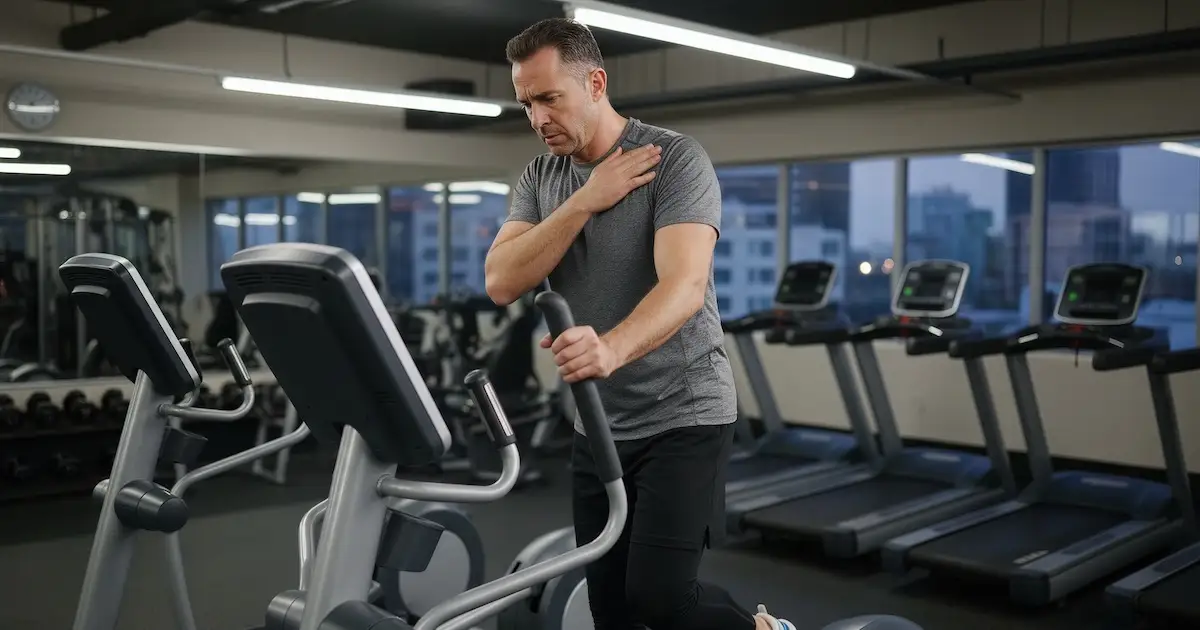
The elliptical machine is one of the most popular cardiovascular exercise equipment both in gyms and at home. It provides an easy way to perform aerobic exercise, commonly known as cardio, without impact and therefore with reduced joint stress compared to running.
Most risks and contraindications associated with elliptical machines are primarily related to the physical exercise it enables rather than the machine itself. Physical activity remains beneficial for the vast majority of people and is a cornerstone of good health. However, certain medical conditions may require supervision or temporary exercise restrictions.
1. Uncontrolled Cardiovascular Conditions
According to the American College of Sports Medicine (ACSM) and the American Heart Association (AHA), certain cardiac conditions constitute absolute or relative contraindications to aerobic exercise. These recommendations apply to all cardiovascular activities, including elliptical training.
- Acute myocardial infarction (< 48 hours)
- Unstable angina
- Uncontrolled arrhythmias with hemodynamic compromise
- Severe symptomatic aortic stenosis
- Decompensated heart failure
- Active endocarditis
- Acute coronary syndromes
The identified risk involves intense or non-progressive cardiovascular effort, which occurs during elliptical training. Following a cardiovascular incident or procedure, obtaining a medical evaluation and clearance is essential.
2. Balance, Vestibular, and Neurological Disorders
The elliptical machine requires a dynamic standing posture, bilateral coordination, and continuous postural control. The risk of falling is lower than on other fitness equipment like treadmills, but it still exists. For some individuals, the main risk relates to instability, coordination, or reaction time.
- Benign paroxysmal positional vertigo (BPPV)
- Ménière's disease
- Vestibular neuritis or labyrinthitis
- Age-related balance disorders
- Multiple sclerosis with postural instability
- Parkinson's disease with balance impairment
- Stroke sequelae with motor deficit or hemiparesis
- Recent traumatic brain injury
- Cerebral palsy affecting coordination
Research shows that in these situations, physical exercise remains beneficial, but the choice of modality is crucial. If you experience any of the symptoms above, it's preferable to consider alternatives like exercise bikes or rowing machines, which offer greater stability. Supervised training is also an excellent way to reduce fall risk.
3. Acute Lower Limb Joint Injuries
Although the elliptical machine is classified as low-impact exercise, it imposes a constrained cyclical movement. During the acute phase of an injury, the risk relates to repetitive mechanical stress.
- Recent knee ligament sprains
- Acute meniscal tears
- Non-consolidated fractures
- Acute tendinitis (Achilles, patellar)
The elliptical can be beneficial for stabilized chronic conditions, but it's generally not recommended during the acute inflammatory phase without medical advice. The golden rule is to listen to your body and stop if you experience acute pain.
4. High-Risk Pregnancy
For pregnant women without complications, moderate aerobic exercise is recommended during the first months of pregnancy. However, certain obstetric conditions constitute contraindications to physical exercise, regardless of the equipment used. The American College of Obstetricians and Gynecologists (ACOG) identifies several absolute contraindications to aerobic exercise during pregnancy that apply to elliptical machine use.
- Significant maternal cardiac disease
- Placenta previa after 26 weeks
- Active preterm labor
- Ruptured membranes
- Preeclampsia or severe gestational hypertension
Without medical contraindications, the elliptical can be used at moderate intensity during pregnancy, with immediate cessation if unusual symptoms occur. It's also not recommended during the final months of pregnancy, particularly due to the increased fall risk associated with pregnancy.
5. Uncontrolled Hypertension
Very high resting blood pressure constitutes a relative contraindication to unsupervised aerobic exercise, regardless of the equipment used.
- Systolic pressure > 200 mmHg
- Diastolic pressure > 110 mmHg
6. Severe Respiratory Insufficiency
In advanced pulmonary diseases, the risk relates to the ventilatory demand induced by exercise, independent of the elliptical machine itself.
- Severe COPD
- Uncontrolled asthma
- Advanced pulmonary fibrosis
- Recent pulmonary embolism
7. Diabetes with Severe Complications
Diabetes is not a contraindication to exercise, but certain complications require strict adaptation of physical activity.
- Severe retinopathy
- Advanced peripheral neuropathy
- Autonomic neuropathy
8. Recent Surgery
After a surgical procedure, resuming exercise depends on the procedure and healing process. The elliptical machine can be integrated into rehabilitation only after medical clearance.
Conclusion
The elliptical machine is one of the safest and most effective pieces of fitness equipment for aerobic exercise, weight loss, or getting back in shape for the majority of individuals. The situations described in this article concern the physical exercise itself and the user's medical context.
If you have a known condition or any doubt, a personalized medical opinion is essential before starting or intensifying physical activity.
For most people, these contraindications are not limiting factors. Choosing an elliptical machine remains an excellent way to maintain and improve your fitness and long-term health.