Folding vs Non-Folding Treadmill: Key Differences Explained
Space, stability, and budget are the main factors when choosing between a folding and non-folding treadmill. Both types can deliver solid cardio workouts, but they serve different needs. Before buying a treadmill, understanding these key differences helps make the right decision for a home gym.
What Is a Folding vs Non-Folding Treadmill?
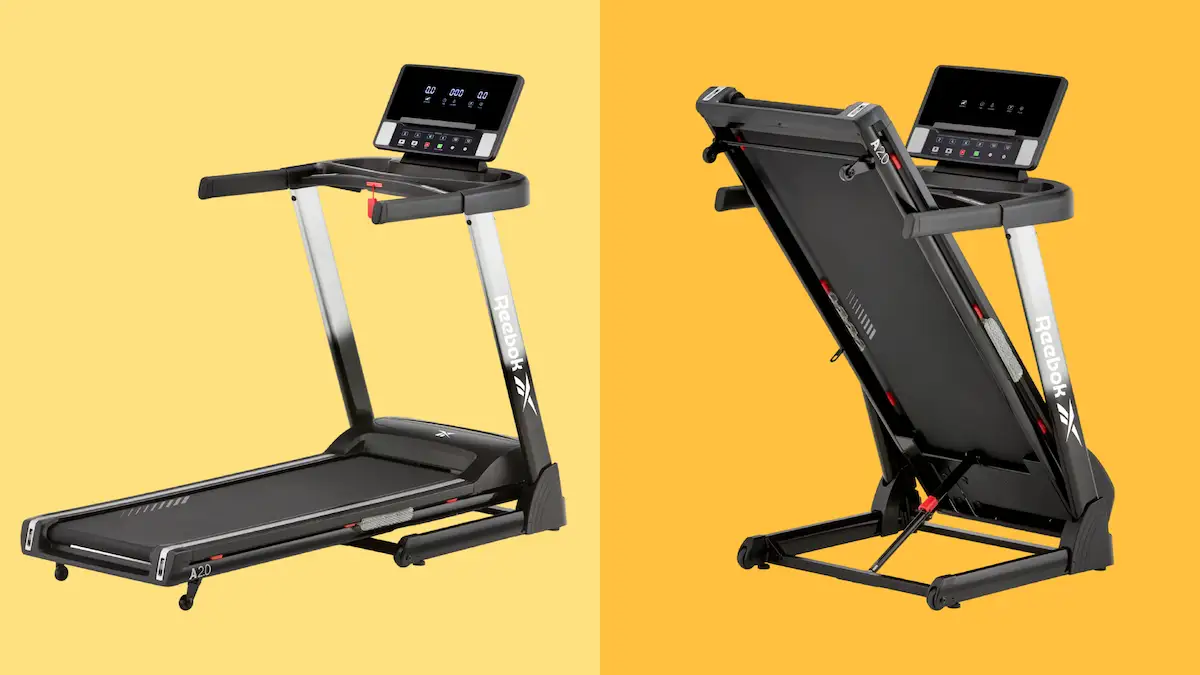
Folding Treadmill
A folding treadmill features a deck that lifts vertically between the handrails when not in use. Most models include hydraulic gas shocks to assist with lifting and a locking mechanism for safety. Once folded, the footprint shrinks significantly, freeing up floor space.
Non-Folding Treadmill
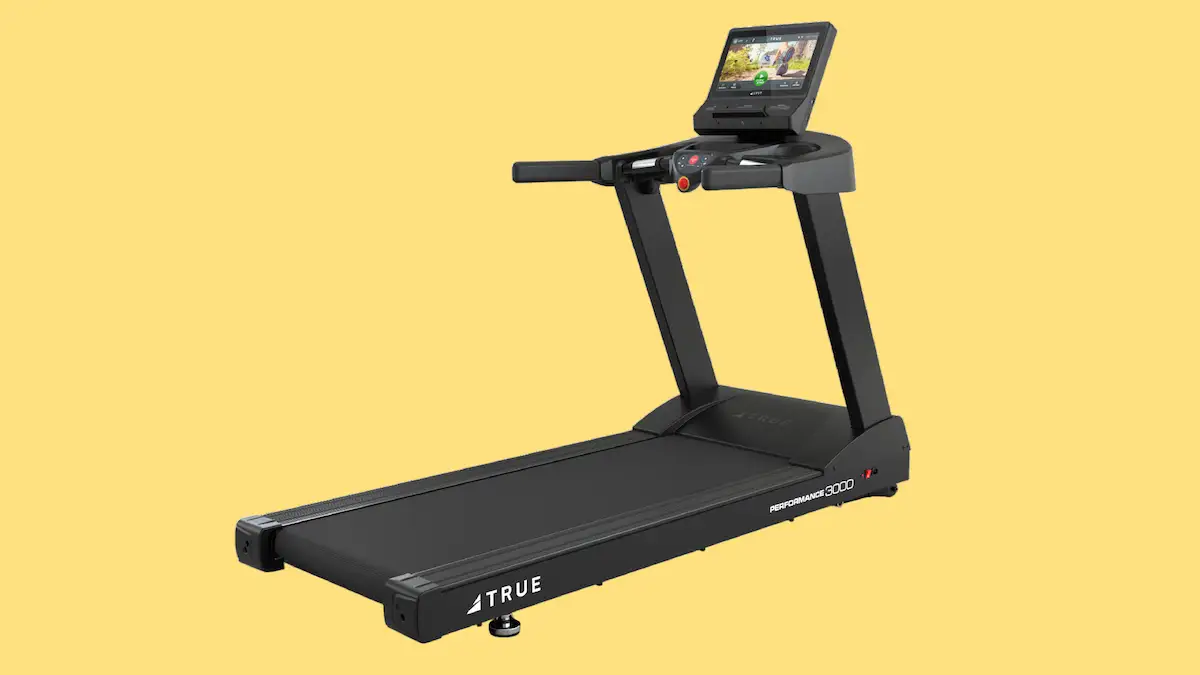
A non-folding treadmill (also called a platform or fixed treadmill) has a stationary deck that cannot be raised. Most professional machines found in gyms and fitness centers are non-folding. The frame stays in one place permanently, requiring dedicated floor space.
Key Differences
Entry-level and mid-range treadmills typically feature folding designs, while non-folding models are generally more solid and stable, allowing for higher maximum speeds and better cushioning. Note that manual treadmills are never foldable due to their specific curved structure.
Key Similarities
In terms of features like speed range, incline settings, and console functions, both types often offer similar options within the same brand and price tier. The main difference lies in construction, stability, and portability.
Folding vs Non-Folding Treadmill: Comparison
| Feature | Folding Treadmill | Non-Folding Treadmill |
|---|---|---|
| Space required | Compact when folded | Permanent footprint |
| Stability | Good to moderate | Excellent (stronger structure) |
| Weight capacity | Typically 250-325 lbs | Often 300-400 lbs |
| Durability | Good (more moving parts) | Excellent (fixed frame) |
| Best for | Walking, jogging, light running | Intense running, heavy use |
| Portability | Easy to move | Difficult to relocate |
| Maintenance | Belt + gas shocks lubrication | Belt lubrication only |
| Typical price range | $300 - $3,000 | $1,500 - $6,000+ |
Popular Folding Treadmill Models by Price
If a folding treadmill is an essential criterion for you, you will find below some examples of folding treadmills across different price categories to help you find the right fit for your budget:
| Category | Model | Price |
|---|---|---|
| Entry-level | Sunny Health & Fitness Active 300 | $499.99 |
| Mid-range | Schwinn 815 | $1,099.00 |
| High-end | BowFlex BXT8J | $1,299.00 |
| Professional | Sole F80 | $1,799.99 |
Popular Non-Folding Treadmill Models by Price
If you have dedicated space for a permanent treadmill, it is often better to choose a non-folding treadmill. You will find below some non-folding options across different price categories:
| Category | Model | Price |
|---|---|---|
| Mid-range | Reebok FR30z Floatride | $899.99 |
| High-end | Matrix T30 | $4,699.00 |
| Professional | Peloton Cross Training Tread+ | $5,595.00 |
Drawbacks and Limitations
Folding Treadmill Drawbacks
Reduced stability: The folding mechanism adds joints to the frame, making the structure slightly less stable. At high speeds or with heavier users, some wobbling or shaking may occur. Budget treadmill models are particularly prone to this issue.
Lower weight capacity: Most folding treadmills support 250-325 lbs, compared to 350-400 lbs for non-folding models. This limits options for larger users.
Additional maintenance: Most folding treadmills come with hydraulic gas shocks that require monthly lubrication of the shock tube with Teflon-based spray. Folding hinges and latches also need periodic inspection.
Potential safety concerns: The locking mechanism must be fully engaged when folded to prevent the deck from falling. Households with children or pets need extra caution.
Smaller running surface: Some folding models have narrower or shorter decks (18" x 50") compared to standard non-folding machines (20" x 60"), which can feel cramped for taller runners.
Non-Folding Treadmill Drawbacks
Large footprint: A typical non-folding treadmill measures 77" x 35" and weighs 250-350 lbs. It requires a dedicated space and cannot be moved easily after being installed.
Higher cost: Quality non-folding models start around $1,500-2,400 and can exceed $5,000 for commercial-grade equipment.
Difficult to relocate: Moving a non-folding treadmill often requires partial disassembly, making it impractical for renters or those who move frequently.
Cleaning challenges: Getting underneath a heavy fixed treadmill for cleaning can be difficult without assistance.
Price Difference: Folding vs Non-Folding
Generally, folding treadmills cost less than non-folding models. The majority of folding treadmills are entry-level or mid-range, though significant overlap exists in the mid-range segment. The higher you go in price and segment, the fewer folding treadmills you will find.
Budget folding treadmills ($300-$800): Basic models suitable for walking and light jogging. Often feature smaller motors (2.0-2.5 HP), shorter decks, and limited warranties. Models like the ProForm Carbon TLS fall into this range.
Mid-range folding treadmills ($800-$1,500): Solid options for regular joggers and runners. Better motors (2.5-3.0 HP), larger decks, and improved cushioning. Examples include the NordicTrack T Series 10.
Premium folding treadmills ($1,500-$3,000): High-performance machines rivaling non-folding stability. Features include 3.0-4.0 HP motors, touchscreen displays, and interactive programming. The Landice M2 Genesis is a popular choice in this category.
Non-folding treadmills ($1,500-$6,000+): Built for durability and heavy use. Commercial-grade motors, wider running surfaces, and longer warranties are standard. The Woodway Vive and Technogym Artis Run are examples of quality non-folding options.
The price difference between a quality folding and non-folding treadmill from the same brand is typically $200-$500, with the non-folding version costing more due to heavier construction and enhanced stability.
FAQ
Are folding treadmills less durable than non-folding models?
Not necessarily. Premium folding treadmills from brands like Sole, NordicTrack, and Horizon offer lifetime frame warranties and can handle years of regular use. However, budget folding models often use thinner materials and may wear out faster. The folding mechanism itself adds moving parts that require maintenance.
Can folding treadmills handle running, not just walking?
Yes. Mid-range and premium folding treadmills support running at speeds up to 12 mph with 15% incline. The key is choosing a model with adequate motor power (3.0+ HP), a sufficiently long deck (60"), and a weight capacity that exceeds the user's weight by at least 50 lbs.
How much space does a folding treadmill save?
When folded, most treadmills reduce their footprint by about 50%. A typical unfolded dimension of 70" x 35" becomes roughly 35" x 35" when the deck is raised vertically. Some compact models fold flat enough to slide under a bed.
Which type is better for apartments?
Folding treadmills are generally better for apartments due to space savings and easier portability. However, noise can be a concern with cheaper models. Look for treadmills with good deck cushioning and consider adding a treadmill mat to reduce vibration transmitted to neighbors below.
Do folding treadmills break easily?
Quality folding treadmills from reputable brands do not break easily. The folding mechanism is engineered for thousands of cycles and typically includes hydraulic assist for smooth operation. Budget models under $500 may have weaker hinges and latches that wear faster. To maximize longevity, follow the manufacturer's maintenance schedule, lubricate the folding mechanism as directed, and avoid exceeding the weight capacity. Most mid-range and premium folding treadmills come with lifetime frame warranties, indicating manufacturer confidence in their durability.
Conclusion
Folding treadmills make sense for smaller spaces, shared rooms, or occasional use. Non-folding treadmills are the better choice for dedicated home gyms, serious runners, or heavier users who prioritize maximum stability. Both types can deliver effective workouts when matched to the user's needs and budget.