Magnetic vs Electromagnetic Elliptical: Understanding Resistance Types to Make the Right Choice
The elliptical trainer has become one of the most popular fitness machines, both in gyms and at home. Its smooth, low-impact motion protects your joints while engaging your entire body. Among the dozens of elliptical models available, one feature often raises questions: the resistance system. This crucial factor can significantly influence your purchase decision. The resistance type directly affects pedaling quality, workout progression, training options, maintenance needs, and the machine's overall durability.
Understanding Elliptical Resistance Systems
Modern ellipticals rely almost exclusively on magnetic resistance or electromagnetic resistance, as older mechanical (friction-based) systems have virtually disappeared from the market. These two technologies serve different needs and user profiles, impacting your workout experience and pedaling comfort.
What Is a Magnetic Resistance Elliptical?
How Magnetic Resistance Works
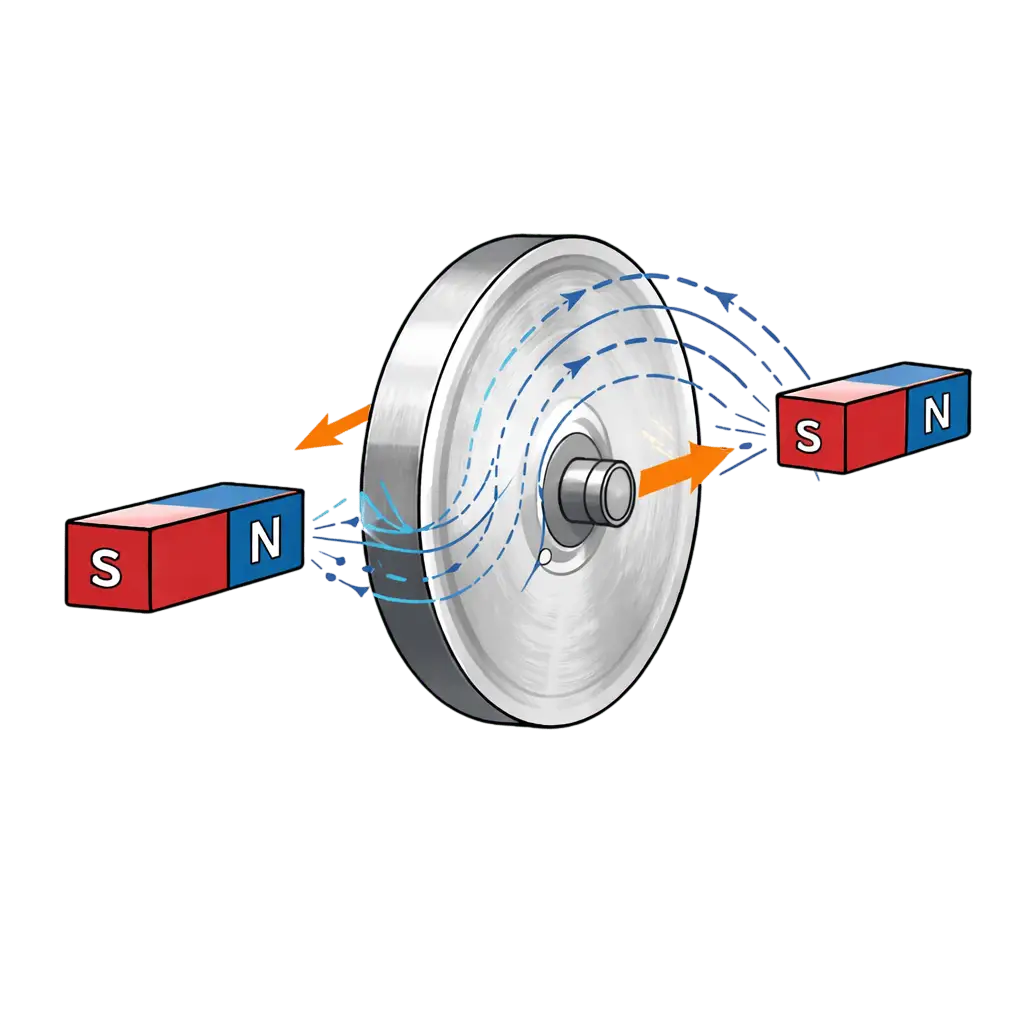
A magnetic resistance elliptical uses permanent magnets positioned near the flywheel. As you pedal, the flywheel spins past these magnets, creating a braking force without direct contact. To increase or decrease resistance, a mechanism moves the magnets closer to or farther from the flywheel. This adjustment can be made either manually via a dial (common on entry-level models) or motorized through an electronic console on more advanced machines.
The absence of mechanical friction makes this system quiet and limits brake-related wear, making it a reliable and durable solution for home use.
Advantages of Magnetic Resistance Ellipticals
- Generally more affordable purchase price
- Quiet operation
- Minimal maintenance on the resistance components
- Some self-powered models work without an electrical outlet
- Simple to use with a quick learning curve
- Often lighter and sometimes more compact, depending on design
Disadvantages of Magnetic Resistance Ellipticals
- Less precise progression on manual adjustments
- Variable number of resistance levels, often more limited on entry-level models
- Automatic training programs often absent or basic
- Maximum resistance may be insufficient for advanced athletes
- Less precise intensity control compared to electromagnetic systems
Recommended Magnetic Resistance Ellipticals
| Model | Brand | Price | Category |
|---|---|---|---|
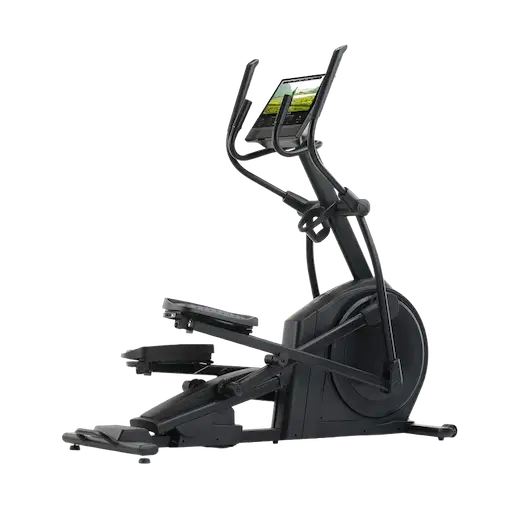 AirGlide 16 Elliptical AirGlide 16 Elliptical
|
NordicTrack | $2,499.99 | High-End |
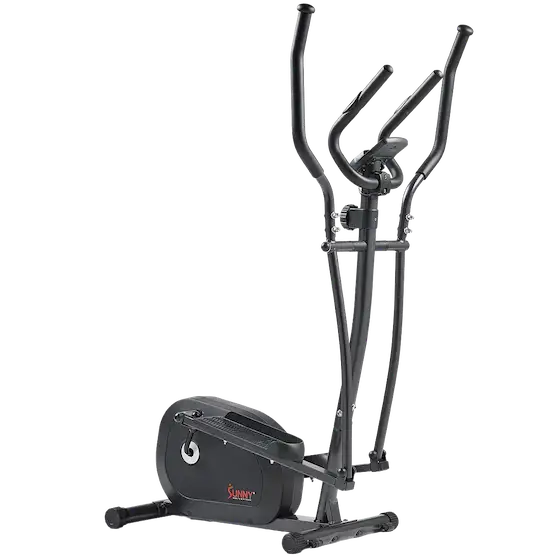 SF-E905SMART SF-E905SMART
|
Sunny Health & Fitness | $299.99 | Entry-Level |
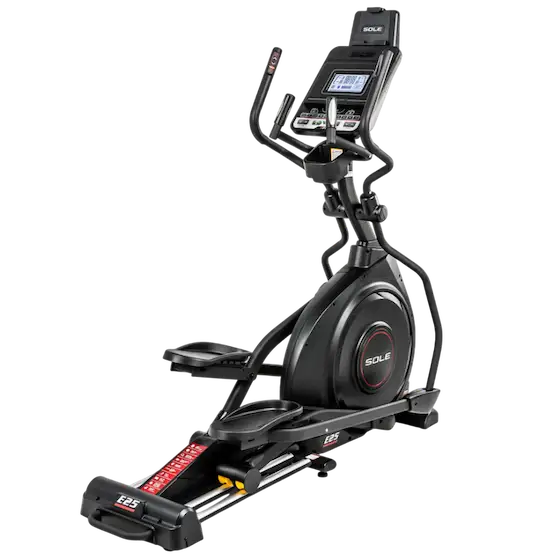 E25 E25
|
Sole | $1,299.99 | High-End |
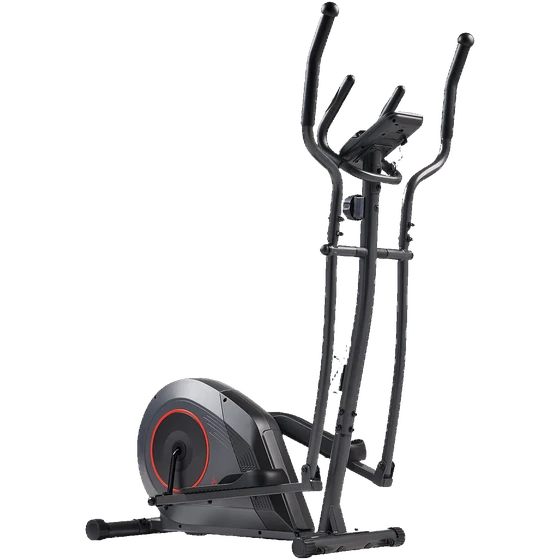 Corezy SF-E324005 Corezy SF-E324005
|
Sunny Health & Fitness | $319.99 | Entry-Level |
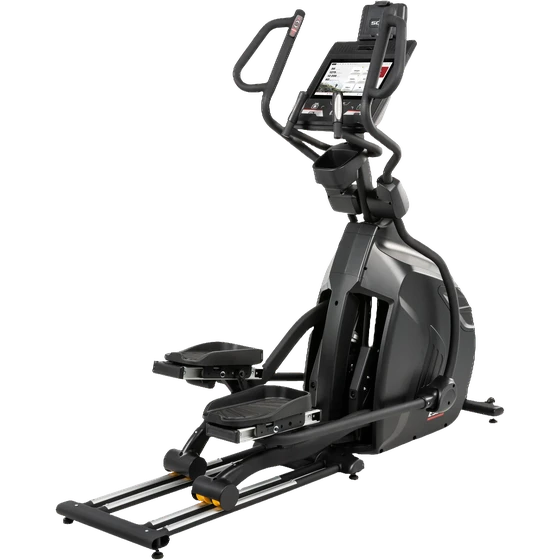 E95S E95S
|
Sole | $2,699.99 | High-End |
What Is an Electromagnetic Resistance Elliptical?
How Electromagnetic Resistance Works
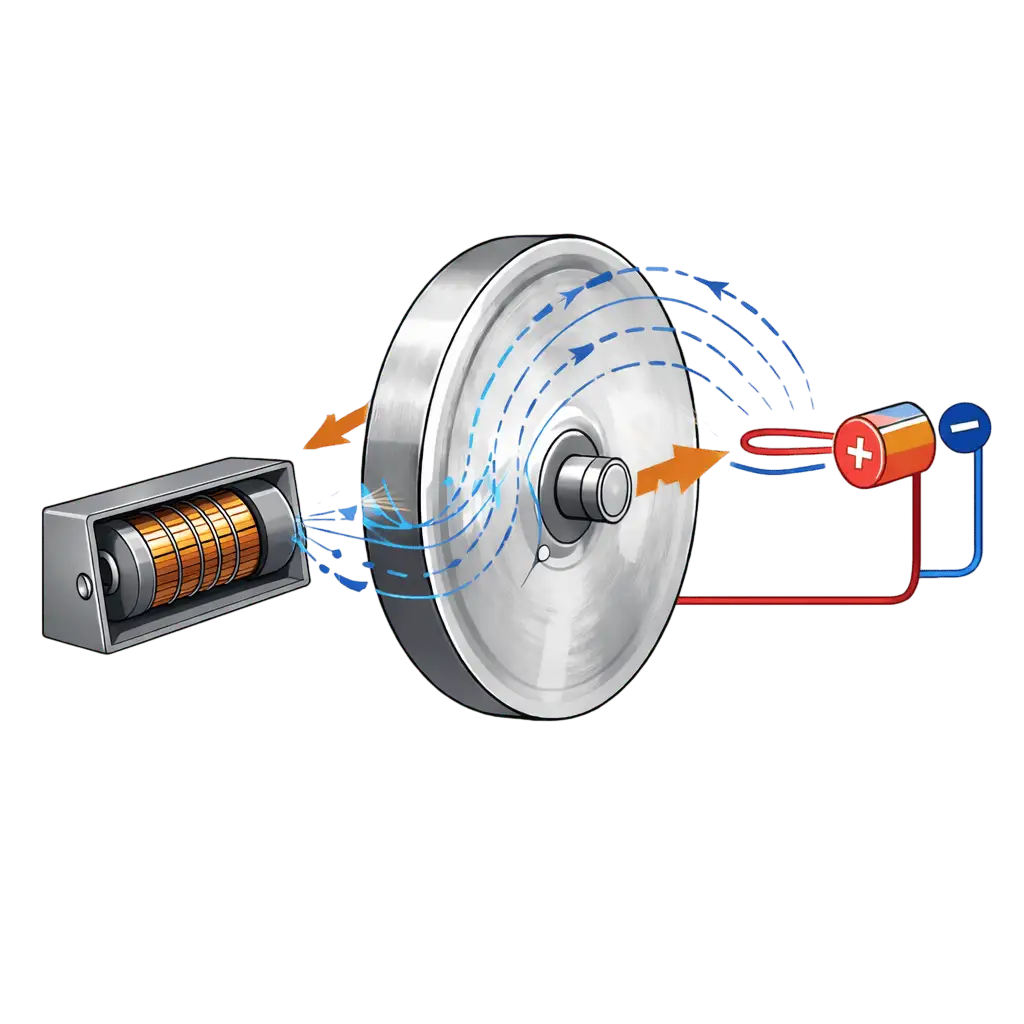
An electromagnetic resistance elliptical uses electromagnets powered by electrical current. The magnetic field strength is modulated by adjusting the current intensity sent to the coil, allowing very precise resistance control. The electronic console directly controls this system, enabling rapid, progressive, and automated intensity changes. Professional and high-end models are almost always equipped with electromagnetic resistance—it's often a sign of superior quality.
Advantages of Electromagnetic Resistance Ellipticals
- Very precise resistance adjustment
- Smooth and progressive transitions between levels
- Compatible with numerous automated training programs
- Some models can adjust resistance based on your heart rate
- Higher maximum resistance on performance-oriented models
- Better connectivity with fitness apps and tracking platforms
- Smoother and more consistent pedaling feel
Disadvantages of Electromagnetic Resistance Ellipticals
- Generally higher purchase price
- More complex electronics may lead to costlier repairs
- Often heavier and bulkier machines
Recommended Electromagnetic Resistance Ellipticals
| Model | Brand | Price | Category |
|---|---|---|---|
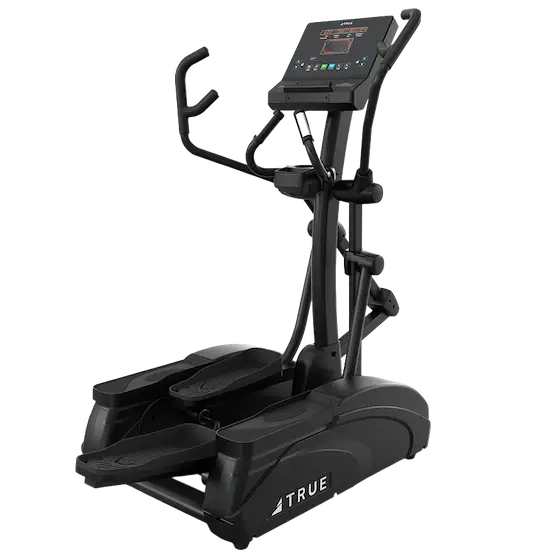 M50 M50
|
TRUE Fitness | $3,599.00 | Professional |
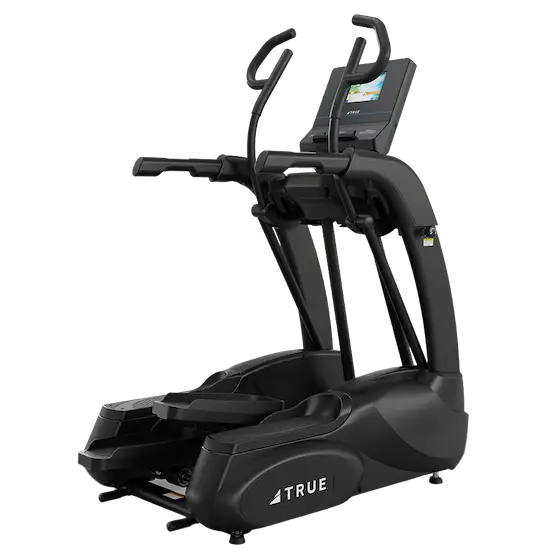 Performance Series Performance Series
|
TRUE Fitness | $6,099.00 | Professional |
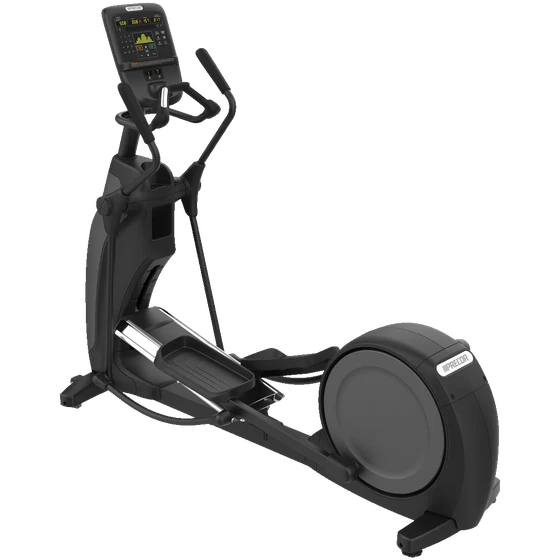 EFX 635 EFX 635
|
Precor | $11,500.00 | Professional |
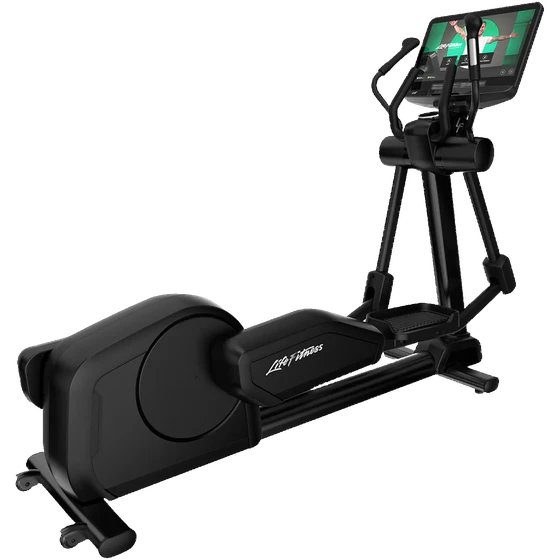 Club Series+ Club Series+
|
Life Fitness | $9,499.00 | Professional |
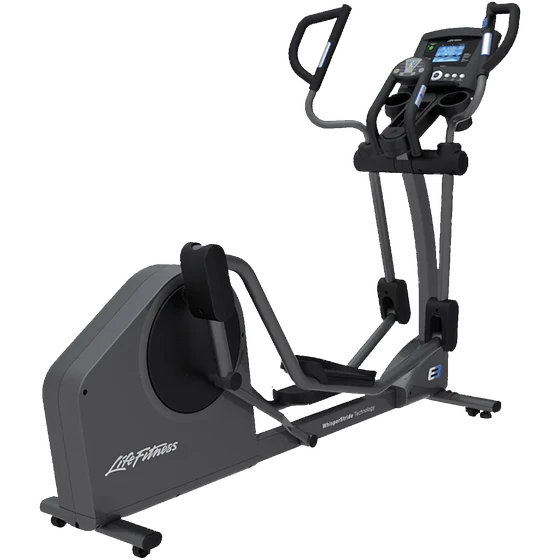 E3 E3
|
Life Fitness | $3,949.00 | Professional |
Resistance Systems Comparison
| Criteria | Magnetic Resistance | Electromagnetic Resistance |
|---|---|---|
| Average Price | Around $250 to $6,000+ | Around $800 to $10,000+ |
| Resistance Levels | Variable, often more limited on entry-level | Many levels, generally more extensive |
| Adjustment Precision | Medium to good | Excellent |
| Pedaling Smoothness | Good | Excellent |
| Noise Level | Quiet | Very quiet |
| Automatic Programs | Limited or absent | Numerous and varied |
| Power Requirement | Optional (self-powered models available) | Optional (self-powered models available) |
| Maintenance | Low | Low to moderate |
| Target Users | Beginners, occasional use | Regular exercisers, serious athletes |
Note on power supply: Self-powered models (which generate their own electricity through pedaling) are available for both magnetic and electromagnetic ellipticals. This technology lets you skip the power outlet while keeping full console functionality.
Console-dependent power: Some brands offer the same elliptical frame with different console options, where the power source depends on your console choice. For example, Precor ellipticals can be self-powered with basic consoles or require mains electricity when equipped with larger touchscreen displays. Always check the specifications for your chosen console configuration.
Which Elliptical Type Should You Choose Based on Your Profile?
If the resistance type is a key factor in choosing your next elliptical, here are some guidelines to help you decide.
You're on a Tight Budget
If your budget is limited, a magnetic resistance elliptical is often the obvious choice, since electromagnetic models under $800 are rare. These machines remain reliable and well-suited for home use. They deliver satisfying pedaling quality for occasional to moderate workouts.
You're a Beginner or Getting Back in Shape
For a gradual return to physical activity, magnetic resistance is more than enough. It lets you start gently without technical complexity while ensuring an effective and safe workout.
You'll Use It Occasionally at Home
For one to two weekly sessions, a magnetic elliptical typically meets your needs. Its simplicity, quiet operation, and value make it a smart choice for moderate use.
You Train Regularly or Intensively
For frequent or structured training, electromagnetic resistance becomes the better choice. Precise adjustments and automated programs help you vary your sessions and optimize your progress.
You Have Performance or Weight Loss Goals
For ambitious goals—whether athletic performance or significant weight loss—an electromagnetic elliptical is the way to go. These models offer better intensity control, more precise tracking, and a more complete long-term training experience.