How to Choose a Treadmill: Complete Buying Guide
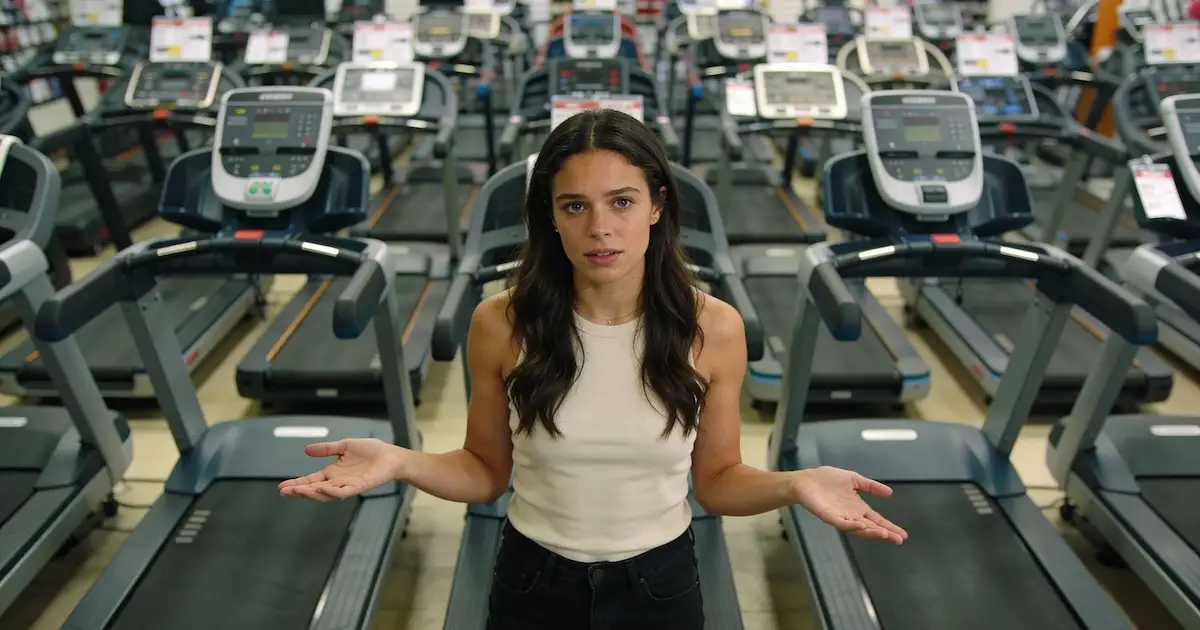
With hundreds of treadmill models on the market, finding the right one can feel overwhelming. The key is to focus on what matters most: fitness goals, available space, and budget. This step-by-step guide breaks down the selection process into nine clear stages to simplify the decision.
Understand Treadmill Types
Before diving into specifications, understanding the different treadmill categories helps narrow down the options. Each type suits different needs, spaces, and training styles.
Motorized Treadmills (Standard)
The most common type, motorized treadmills use an electric motor to move the belt at controlled speeds. Available in both folding and non-folding designs, they offer precise speed and incline adjustments, built-in programs, and heart rate monitoring. Prices range from $300 for basic models to $5,000+ for commercial-grade machines.
Folding Treadmills
Folding treadmills feature a deck that lifts vertically when not in use, reducing the footprint by approximately 50%. Modern engineering allows even high-performance models to fold, making them ideal for apartments, shared spaces, or rooms with multiple uses.
Key features to look for:
- Hydraulic soft-drop system for safe lowering
- Transport wheels for easy repositioning
- Locking mechanism to secure the deck when folded
- Deck weight under 100 lbs for manageable lifting
Folding models may sacrifice some stability compared to fixed frames, especially at higher speeds. For serious runners exceeding 8 mph regularly, a non-folding treadmill often provides a more solid platform.
| Category | Model | Price |
|---|---|---|
| Entry-level | Sunny Health & Fitness Active 300 | $499.99 |
| Mid-range | Schwinn 815 | $1,099.00 |
| High-end | BowFlex BXT8J | $1,299.00 |
| Professional | Sole F80 | $1,799.99 |
Manual Treadmills / Self-Powered (Curved / Slat Belt)
Manual treadmills, also known as self-powered treadmills, or “hamster treadmills,” have no motor. The belt moves entirely through the user’s own effort. Manual treadmills are typically high-end or professional-grade machines, which usually means a higher budget.
The brand Woodway is widely recognized as one of the pioneers of modern curved treadmills and still the most famous brand for this kind of model. Their self-powered treadmills have been a reference for over 50 years in this category, notably with models such as the Woodway Curve FTG. However, other major brands now also offer curved and self-powered treadmills that rival Woodway, such as Assault Fitness, Assault Fitness, and Assault Fitness.
How they work:
The curved running surface allows natural acceleration and deceleration. Moving toward the front of the curve speeds up the belt; drifting back slows it down. This eliminates the need for buttons and creates an unlimited speed ceiling—the belt moves as fast as the runner can push it.
Slat belt advantages:
- Individual rubber or TPE slats absorb shock better than traditional belts
- No deck underneath means less friction and virtually no maintenance
- Belt lifespan can exceed 150,000 miles (Woodway models)
- Zero electricity required—100% human-powered
Who benefits most:
- Sprinters and HIIT training (instant speed changes, no max limit)
- CrossFit athletes (popular in competitions and WODs)
- Runners focused on improving form (curved design promotes midfoot strike)
- Facilities wanting low maintenance and no electrical costs
Considerations:
Manual curved treadmills require 30-40% more effort than motorized models—excellent for calorie burn but challenging for beginners. They also tend to be heavy (250-400 lbs), expensive ($2,000-$6,000+), cannot fold, and offer no incline adjustment—the curved shape is fixed. The narrower belt width (typically 17") may feel restrictive compared to standard 20" treadmills.
Popular models include the Woodway Curve ($5,000+), AssaultRunner Pro (~$2,700), AssaultRunner Elite (~$3,500), and TrueForm Runner (~$4,500).
| Category | Model | Price |
|---|---|---|
| High-end | Assault Fitness AssaultRunner Classic | $2,799.00 |
| Professional | Assault Fitness AssaultRunner Pro | $3,499.00 |
Define Fitness Goals
The intended use determines everything else about the treadmill selection. Different workout styles require different machine capabilities.
Walking only: A basic treadmill with a 2.0-2.5 HP motor and a shorter deck (50") works well. Speed range up to 6 mph is sufficient. This is the most affordable category. For walking-only use, a walking pad may be a better option—compact, affordable, and easy to store under a desk or bed.
Jogging and light running: A mid-range treadmill with a 2.5-3.0 HP motor and a 55" deck handles regular jogging sessions. Look for speeds up to 10 mph and incline options.
Serious running and training: A high-performance treadmill with a 3.0-4.0 HP motor and a 60" deck supports intense workouts. Speeds up to 12 mph, 15% incline, and advanced cushioning become important.
Pro / Advanced users: For high-speed interval training (10-12+ mph), tall runners (over 6'2"), or those seeking maximum versatility, a commercial-grade or semi-commercial treadmill is recommended. Look for a 4.0+ HP motor, 60-64" deck length, 22" width, speeds up to 14-15 mph, and a weight capacity of 350+ lbs. These machines handle sprints, HIIT sessions, and long-distance runs equally well.
Rehabilitation or low-impact exercise: Cushioning quality and handrail stability matter most. A slower speed range (up to 6 mph) is typically sufficient.
Measure Available Space
Treadmills need more room than their footprint suggests. A minimum of 45 square feet is recommended to accommodate the machine plus safe clearance around it.
Typical treadmill dimensions:
- Compact/walking pad: 50" x 25"
- Folding treadmill: 65" x 35" (unfolded)
- Standard treadmill: 70" x 35"
- Commercial-grade: 80" x 40"
Allow at least 2 feet of clearance on each side and 6 feet behind the treadmill for safety in case of a fall. Ceiling height matters too—add personal height plus 20 inches to account for incline use.
For tight spaces, a folding treadmill reduces the footprint by about 50% when stored vertically. Walking pads offer the smallest option, sliding under desks or beds.
Choose the Right Motor Power
Motor power determines how smoothly the treadmill operates, especially at higher speeds and inclines. Understanding horsepower ratings helps avoid underpowered machines that wear out quickly.
CHP vs HP: What's the difference?
HP (Horsepower) refers to the motor's peak power—the maximum output it can produce for a brief moment, typically during startup. This number looks impressive but doesn't reflect real-world performance.
CHP (Continuous Horsepower) measures sustained power output over extended use without overheating. This is the more accurate indicator of a treadmill's true capability. A 3.0 CHP motor is significantly more powerful than a 3.0 HP motor in actual use.
When comparing treadmills, always look for CHP ratings. Manufacturers sometimes advertise peak HP to make motors appear stronger than they are. A treadmill with a 2.5 CHP motor will outperform one with a 3.0 HP (peak) motor during a 30-minute run.
| Usage Type | Recommended CHP | Notes |
|---|---|---|
| Walking | 2.0 - 2.5 CHP | Sufficient for speeds up to 4 mph |
| Jogging | 2.5 - 3.0 CHP | Handles speeds up to 6-8 mph |
| Running | 3.0 - 4.0 CHP | Required for 8+ mph and incline work |
| Heavy use / multiple users | 4.0+ CHP | Commercial-grade durability |
Weight consideration: For users over 200 lbs, add 0.5 CHP to the recommendations above. A heavier user puts more strain on the motor with each stride, requiring extra power for smooth operation.
A more powerful motor also tends to run quieter and last longer because it operates below maximum capacity during typical workouts.
Check Deck Size
The running surface dimensions affect comfort and safety. A deck that is too short restricts natural stride and increases the risk of stepping off the belt.
Why deck length matters:
Stride length varies based on two main factors: user height and running speed. As speed increases, stride length grows—jogging produces moderate strides while running at higher speeds extends the stride significantly. Industry standard recommendations suggest 50" for walkers, 55" for joggers, and 60" for runners.
A belt that is too short for the intended pace forces an unnatural, shortened stride. This affects running form, reduces efficiency, and can cause discomfort or injury over time.
Minimum belt length by height and speed:
| User Height | Walking (<4 mph) | Light Jogging (4-6 mph) | Running (6-10 mph) | Sprint/HIIT (10+ mph) |
|---|---|---|---|---|
| Under 5'6" | 48" | 50" | 55" | 58" |
| 5'6" - 5'10" | 50" | 52" | 55" | 60" |
| 5'11" - 6'2" | 52" | 55" | 58" | 60" |
| 6'3" - 6'5" | 55" | 55" | 60" | 62" |
| Over 6'5" | 55" | 58" | 60" | 62-64" |
Note: For interval training, HIIT, or sprint work at 10+ mph, add 2-4 inches to the running recommendation. A 60" belt is the strict minimum for most speed training.
Deck width guidelines:
- Minimum: 16" (walking only, smaller users)
- Standard: 18-20" (most users)
- Wide: 22" (larger users, incline training)
When in doubt, go larger. A 20" x 60" deck accommodates most users comfortably for jogging and running. For users over 6' tall or those doing regular speed work, a 60" belt is the minimum—anything shorter restricts natural stride at faster paces.
Consider Weight Capacity
Weight capacity affects both safety and machine longevity. This specification indicates the maximum load the frame, motor, and deck can handle safely.
Why choose a higher capacity than actual body weight?
Running creates impact forces 2-3 times body weight with each stride. A treadmill rated exactly at a user's weight operates at maximum stress during running, leading to faster wear on the motor, belt, and frame. Choosing a machine with extra capacity ensures:
- Better stability during high-speed running
- Less vibration and noise
- Longer motor and belt lifespan
- Smoother operation at incline
Recommended buffer: Select a treadmill with a weight capacity at least 20-30% above actual body weight. In practical terms:
- Walking: +50 lbs minimum above body weight
- Running: +75-100 lbs above body weight
| User Weight | Minimum Capacity (Walking) | Recommended Capacity (Running) |
|---|---|---|
| 150 lbs | 200 lbs | 250 lbs |
| 180 lbs | 230 lbs | 280 lbs |
| 200 lbs | 250 lbs | 300 lbs |
| 220 lbs | 275 lbs | 325 lbs |
| 250 lbs | 300 lbs | 350 lbs |
| 300 lbs | 350 lbs | 400 lbs+ |
Higher weight capacity usually correlates with sturdier frame construction, thicker deck, and better overall build quality. Budget models typically max out at 220-250 lbs, mid-range at 300-325 lbs, while premium and commercial-grade machines reach 350-500 lbs.
Evaluate Features
Beyond the basics, certain features enhance the workout experience. Prioritize based on personal preferences and training goals.
Incline (and decline): Most treadmills offer 0-15% incline. Incline walking burns significantly more calories and engages glutes and calves. Some models also offer decline (-3% to -6%) for downhill simulation. Premium incline trainers like the NordicTrack X24 push this further with up to 40% incline for intense hill training.
Cushioning system: Quality deck cushioning reduces joint impact. This matters especially for runners or those with knee or hip concerns. Test if possible—cushioning feel varies between brands.
Console and display: Options range from basic LCD screens showing speed, time, and distance to large touchscreens with streaming workouts. Three main console types exist:
- Basic LCD: Simple digital display with preloaded programs. No subscription required, no internet needed. Ideal for those who prefer straightforward workouts without distractions.
- Hybrid console: Basic screen with Bluetooth connectivity to sync with tablets or smartphones. Allows use of third-party apps while keeping equipment costs lower.
- Touchscreen with subscription: Large integrated screens (10-22") with access to guided workouts, virtual routes, and training programs. Requires monthly subscription fees.
Popular subscription platforms and pricing:
- iFIT (NordicTrack, ProForm): $39/month or $396/year (family) / $180/year (individual). Features outdoor-filmed workouts worldwide, automatic speed and incline adjustments, Google Maps integration, and trainer-led studio classes. Best for immersive outdoor running experiences.
- Peloton: $44/month (All-Access with equipment) or $13/month (App-only). High-energy studio classes filmed in NYC, live and on-demand content, strong community features. Best for those motivated by instructor energy and leaderboards.
- Zwift: $15/month. Gamified virtual world with avatars, multiplayer races, and structured training plans. Popular among cyclists but also supports running. Best for competitive users who enjoy racing others in real-time.
- Echelon: $35/month. Studio-based classes with various workout types. More affordable equipment than Peloton with similar class format. Good balance of price and features.
- JRNY (Bowflex): $15-20/month. Personalized adaptive workouts, Netflix/Hulu streaming integration, virtual trainer guidance. Works with Bowflex treadmills and bikes.
Subscription services help maintain motivation long-term, but monthly fees ($180-$530/year) add significant cost over the treadmill's lifespan. Many treadmills function fully without subscriptions for those who prefer self-directed workouts.
Heart rate monitoring: Grip sensors on handrails provide basic readings. Chest strap compatibility offers more accurate data for heart rate zone training.
Folding mechanism: If choosing a folding model, look for hydraulic gas shocks that assist with lifting and lowering the deck safely. Folding treadmills save space but may sacrifice some stability compared to fixed models. For a detailed comparison, see our guide on folding vs non-folding treadmills.
Noise level: Important for apartment dwellers or early-morning workouts. Motor quality and belt construction affect noise. Reviews often mention this factor.
Set a Budget and Check Warranty
Treadmill prices range from under $300 to over $5,000. As a general rule, higher prices bring better motors, sturdier frames, larger decks, and longer warranties.
| Budget | Option A | Option B |
|---|---|---|
| $300-$800 | Sunny Health & Fitness Active 300 | Sunny Health & Fitness Active 300 |
| $800-$1,500 | Schwinn 815 | Schwinn 815 |
| $1,500-$3,000 | BowFlex BXT8J | BowFlex BXT8J |
| $3,000+ | Sole F80 | Sole F80 |
Warranty indicators of quality:
- Frame: Lifetime (best) or 10+ years
- Motor: Lifetime (best) or 10+ years
- Parts: 2-5 years
- Labor: 1-2 years
A treadmill with a lifetime frame and motor warranty signals manufacturer confidence in durability. Budget models often offer only 90-day or 1-year coverage.
Choose Where to Buy
The purchasing channel affects both the selection available and the overall buying experience.
Online (Recommended)
Buying online offers the widest selection and often the best prices. Online retailers and manufacturer websites provide access to hundreds of models, detailed specifications, customer reviews, and easy comparison tools. Many brands offer free shipping, financing options, and extended trial periods (30-90 days) that are difficult to match in physical stores.
Warranties are issued by manufacturers, not retailers—so whether purchased online or in-store, support goes directly through the brand. Ordering from the manufacturer's website often provides access to the latest models and ensures product registration from day one.
To compare treadmills across brands, specifications, and price ranges, visit our treadmill comparator for a comprehensive selection.
In-Store
Purchasing from a sporting goods store allows testing the treadmill before buying—feeling the cushioning, checking console ergonomics, and evaluating noise levels. This hands-on experience can be valuable for first-time buyers unsure about their preferences.
Major US retailers with treadmill displays include Dick's Sporting Goods, Costco, and Academy Sports + Outdoors. These stores typically stock mid-range models from popular brands.
However, in-store selection is severely limited compared to online options. Stores typically display only a handful of models from select brands, often mid-range options that sell well. Premium models, budget alternatives, and specialty treadmills (manual, commercial-grade) are rarely available in showrooms. Prices may also be higher due to retail overhead costs.
For those who prefer in-store testing, consider trying display models to understand preferences, then purchasing the ideal model online where selection and pricing are more favorable.
Conclusion
Choosing a treadmill comes down to matching the machine to specific needs. Start with fitness goals, measure the available space, then narrow options by motor power, deck size, and weight capacity. Features and budget refine the final choice. A well-chosen treadmill becomes a reliable fitness tool for years to come.